2025 floods wipe out 3.3 million jobs across Pakistan, rural livelihoods hit hardest: report
ILO says 78% losses in rural areas with agriculture worst affected, calls for recovery package including cash support and skills training

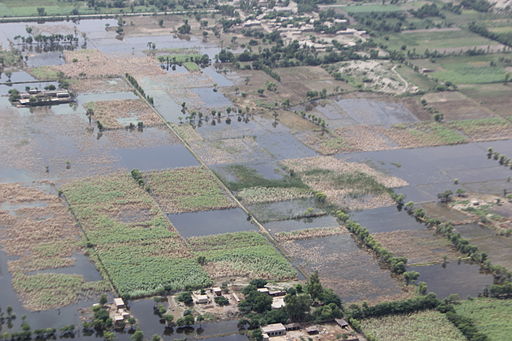
The International Labour Organization (ILO) has estimated that the 2025 floods disrupted or eliminated nearly 3.3 million jobs across Pakistan, with rural communities and the agriculture sector facing the largest impact.
The assessment, conducted across 14 severely affected districts in Punjab and Khyber Pakhtunkhwa, found that nine districts in Punjab accounted for most of the employment losses.
Rural areas made up around 78% of total job losses, with agriculture identified as the most affected sector, followed by services and industry.
The findings are part of a broader Preliminary Assessment of 2025 Flood Damages, carried out with support from the United Nations, Asian Development Bank, European Union and World Bank, with technical coordination led by the United Nations Development Programme.
While provincial compensation programmes provided immediate relief and supported resettlement, the report noted that further measures are required to restore income-generating activities.
The organisation recommended a recovery package that includes cash-for-work programmes, skills training and subsidised credit to help households restart both agricultural and non-agricultural activities.
Minister for Overseas Pakistanis and Human Resource Development Chaudhry Salik Hussain said the floods caused significant damage to livelihoods, particularly affecting self-employed individuals, daily wage earners and small farmers.
He said the government, in coordination with provincial authorities and development partners, would support employment-focused recovery initiatives aimed at restoring income sources.
Country Director of the International Labour Organization Geir Tonstol said rebuilding employment should remain central to recovery efforts, adding that coordinated measures are needed to support income recovery and strengthen resilience to future climate-related shocks.
The ministry and the International Labour Organization said they would continue working with employers, workers’ organisations and other stakeholders to implement sustainable livelihood recovery programmes.
Comments
No comments yet. Be the first to join the discussion!