NEPRA ends free solar setup, imposes Rs1,000/kW fee in major policy shift
Every new consumer or prosumer is now required to obtain formal concurrence from the Authority, regardless of the size of the solar facility being installed, NEPRA spokesperson says
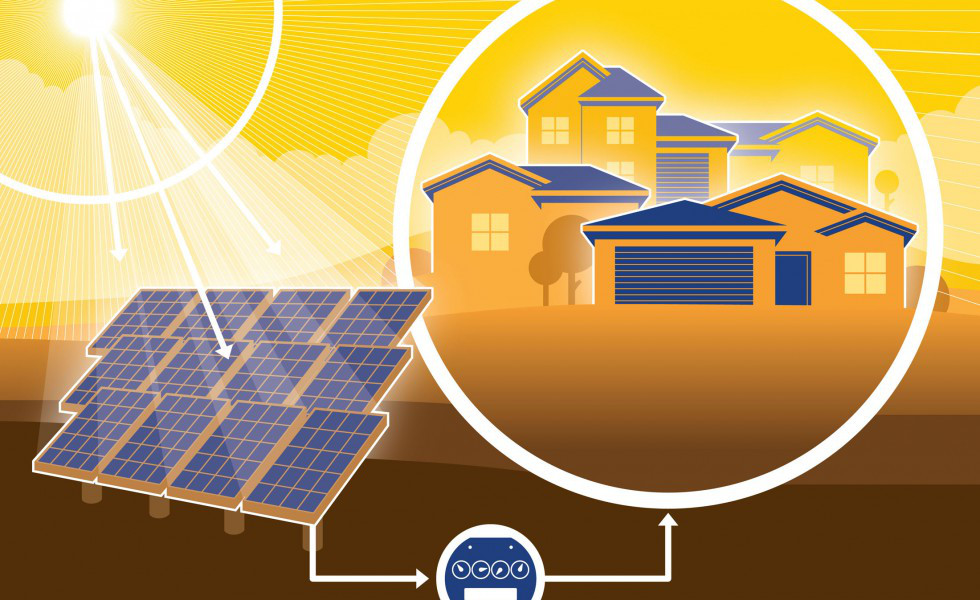
ISLAMABAD: In a significant policy shift, the National Electric Power Regulatory Authority (NEPRA) has ended the free facility for solar installations and made licensing mandatory for all system sizes, introducing a Rs1,000 per kW fee that increases costs for consumers nationwide.
The NEPRA has defended its decision to abolish the previously available free facility for small-scale solar installations, stating that the move is in line with amendments under the NEPRA Act and revised regulatory framework governing distributed generation (DG) systems.
Responding to queries regarding the imposition of new requirements, the NEPRA spokesperson confirmed that under the updated regulations, every new consumer or prosumer is now required to obtain formal concurrence from the Authority, regardless of the size of the solar facility being installed.
The spokesperson further explained that applicants are now required to submit a processing fee calculated at Rs1,000 per kilowatt (kW) at the time of application submission, making the process uniformly applicable across all categories of solar consumers.
Highlighting the shift from previous rules, the spokesperson said that earlier regulations only required consumers installing distributed generation systems above 25kW to obtain a license or concurrence from NEPRA, along with the same processing fee.
However, consumers installing systems of up to 25kW were previously exempt from NEPRA’s direct licensing requirement and instead only needed permission from their respective power distribution companies (DISCOs).
“This framework has now been revised due to provisions of the NEPRA Act, making concurrence from the Authority mandatory for all system sizes,” the spokesperson stated.
However, the Power Division spokesman said that the division has not given this proposal to add additional burden on the consumers.
The present government has significantly reduced the buyback rate of solar electricity, fundamentally changing the economics of rooftop solar in Pakistan. Under the previous net-metering regime, solar consumers were able to sell excess electricity to the grid at around Rs25–27 per unit, with some cases reflecting about Rs25.9/unit, and even benefiting from unit-to-unit adjustment at retail tariffs.
However, under the new policy and shift toward net billing, the buyback rate for new consumers has been sharply cut to around Rs8.13 to Rs10–11 per unit, representing a reduction of nearly 60–70 percent.
At the same time, consumers continue to purchase electricity from the grid at prevailing slab-based tariffs, typically ranging between Rs37 to Rs55 per unit or higher, depending on usage and category. This widening gap between low export compensation and high import tariffs has reduced financial returns for solar users and increased reliance on self-consumption rather than selling surplus power to the grid.
The new policy effectively removes the earlier distinction between small and large solar consumers, bringing all installations under a centralized regulatory mechanism while simultaneously increasing the financial burden on consumers through the introduction of uniform processing fees.

The author is a an investigative journalist at Profit. He can be reached at [email protected].
View all articles →76 Comments
No comments yet. Be the first to join the discussion!