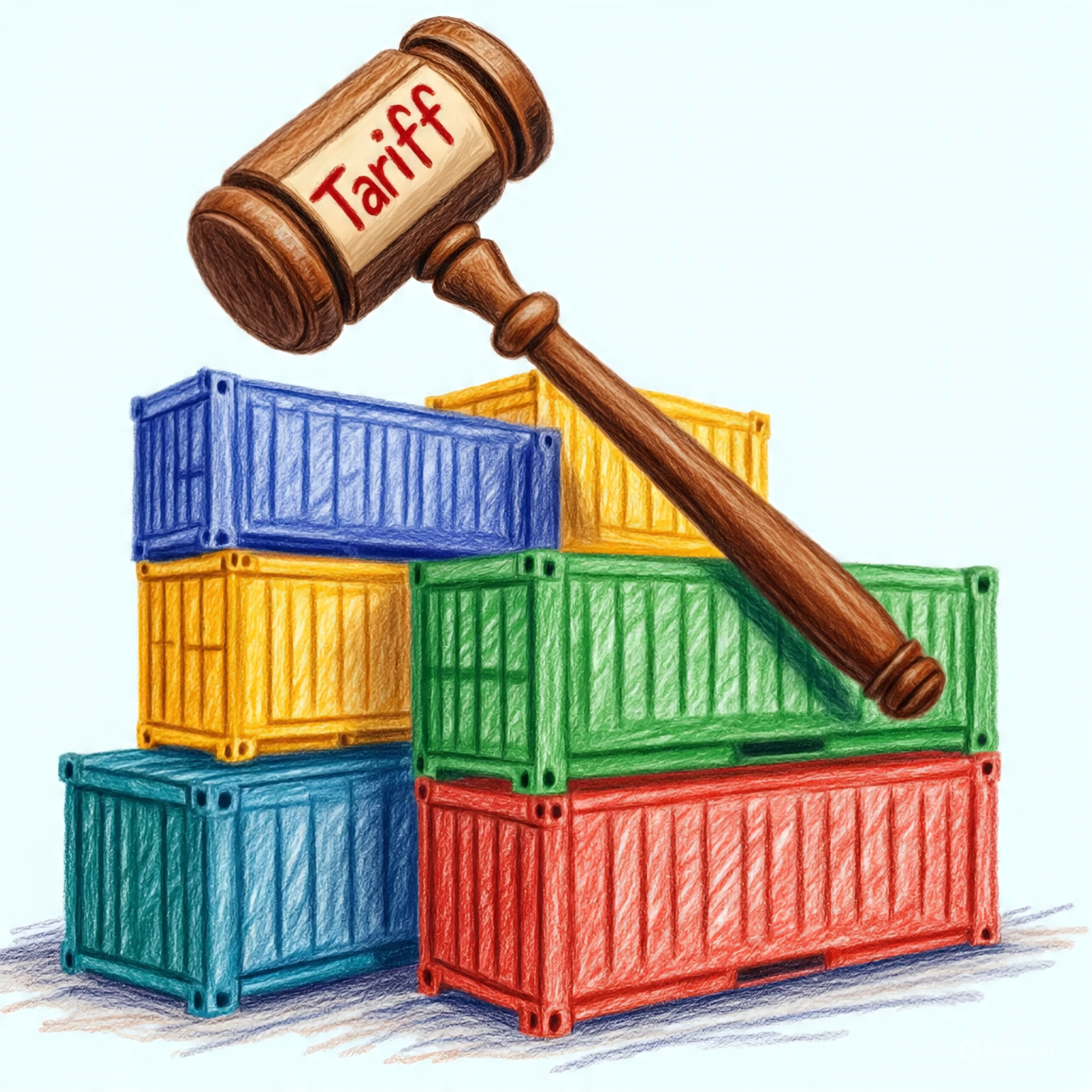
Auto policy tariff deadlock heads to prime minister as ministries fail to agree: report
Commerce and Industries ministries remain divided over duties for vehicles and parts, delaying AIDP 2025-30 and broader electric vehicle rollout
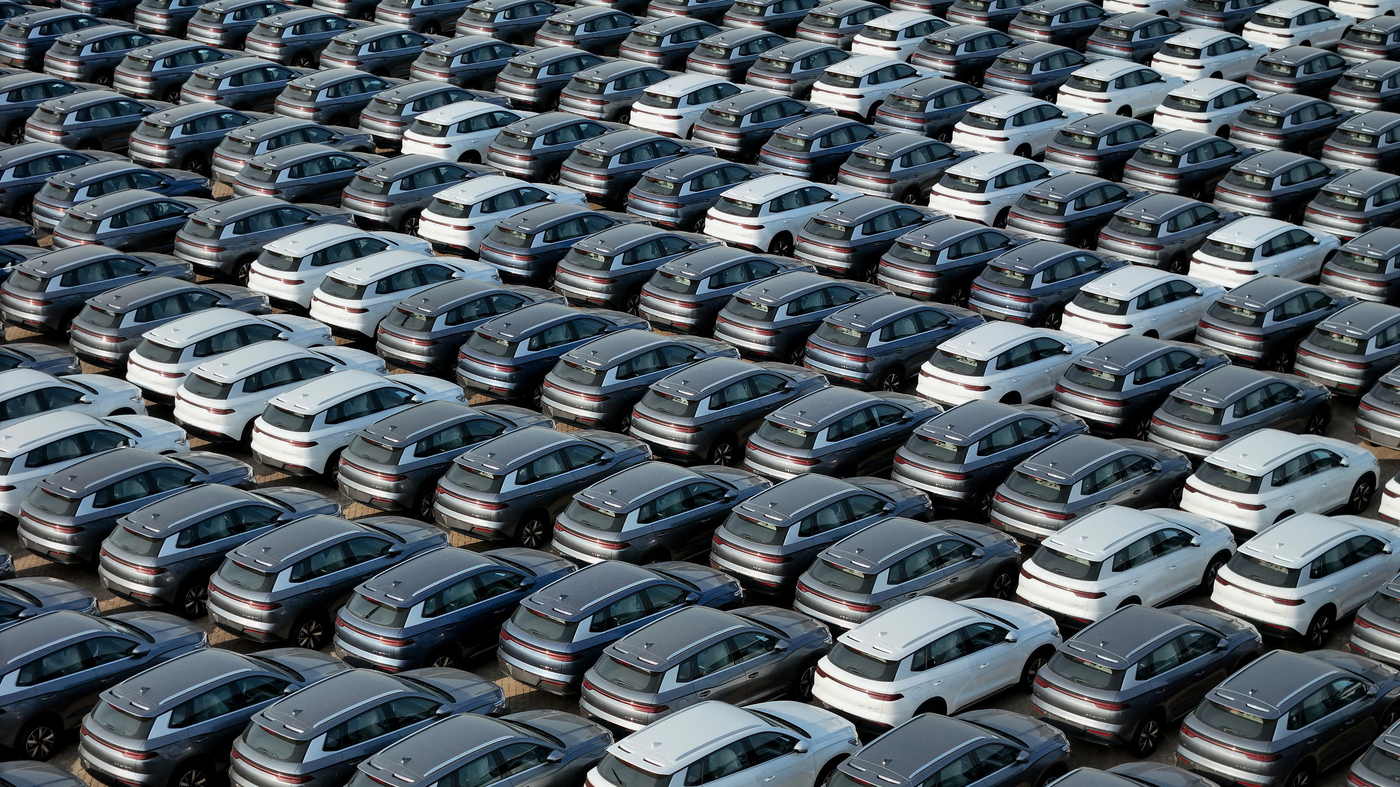
The government’s proposed auto policy has stalled over unresolved differences on vehicle and parts tariffs, prompting a ministerial committee, led by the power minister, to refer the matter to Prime Minister Shehbaz Sharif for a final decision, Business Recorder reported.
The committee has held several meetings to build consensus on duties for the auto sector, but no agreement has been reached between the Ministries of Commerce and Industry.
Officials said the government must decide whether to proceed under the National Tariff Policy or the proposed auto policy, arguing that both frameworks cannot operate at the same time.
The Ministry of Industries and Production has maintained that customs duties on completely knocked-down kits, raw materials, subcomponents and assemblies fall within the mandate of the Tariff Policy Board.
It has called for an urgent meeting of the board to recommend an interim tariff mechanism until the new auto policy is finalised.
Further discussions were delayed because the Power Minister was in Saudi Arabia, while Commerce Secretary Jawad Paul was in Washington for trade negotiations with the United States.
One proposal under consideration is to apply a single tariff to all New Energy Vehicles.
The continuing deadlock is also affecting implementation of the National Electric Vehicle Policy 2025-30, which aims to increase electric vehicles to 30% of new vehicle sales by 2030.
The policy also targets annual fuel import savings of around two billion litres, nationwide charging infrastructure, local manufacturing, exports and a reduction of about 4.5 million tonnes in carbon emissions each year.
Industry participants said uncertainty over tariffs, localisation requirements, export obligations and the wider auto policy was making it difficult for existing manufacturers and new entrants to plan investments.
Regulations for electric vehicle charging infrastructure have also been delayed. Draft rules prepared in 2024 remain pending because of coordination issues between the Engineering Development Board and the National Energy Efficiency and Conservation Authority.
The delay has slowed the proposed rollout of a nationwide charging network, which is considered necessary for wider electric vehicle adoption.

Our monitoring team diligently searches the vast expanse of the web to carefully handpick and distill top-tier business and economic news stories and articles, presenting them to you in a concise and informative manner.
View all articles →Comments
No comments yet. Be the first to join the discussion!