Trump reinstates naval blockade to Iran’s ports, threatens strikes on energy sites
US launches fresh military strikes as Tehran closes Strait of Hormuz again, raising fears of wider regional conflict and energy disruptions.

CAIRO/DUBAI/WASHINGTON: US President Donald Trump has reinstated a naval blockade on all Iranian ports and warned that the United States could target Iran's power plants and bridges next week unless Tehran returns to nuclear negotiations.
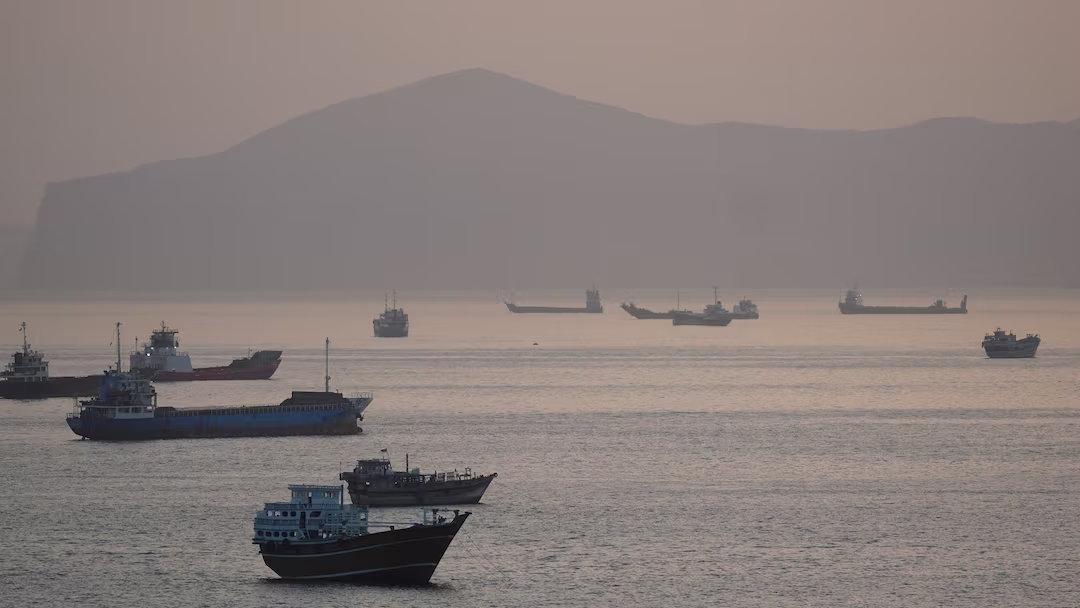
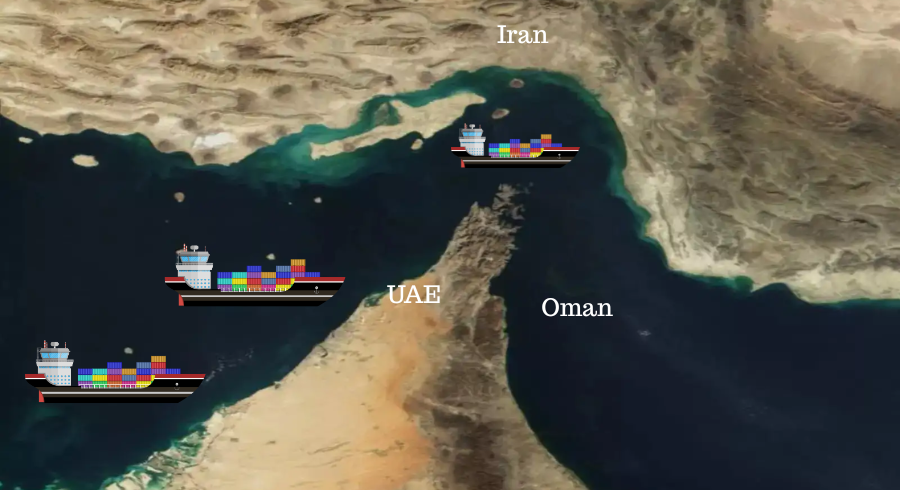
The blockade came into effect at 2000 GMT on Tuesday, with Washington saying it would prevent vessels from travelling to and from Iranian ports while allowing all other commercial shipping to continue through the Strait of Hormuz.
The US military also announced a fresh round of strikes aimed at degrading Iran's capabilities to attack commercial shipping in the Strait of Hormuz, as tensions between the two countries continue to escalate.
Speaking to Fox News, Trump said energy facilities would be the last targets but warned that attacks on power plants and bridges could begin next week if Iran refused to negotiate. He added that US officials had told Iranian negotiators to return to the negotiating table.
Iran rejected the ultimatum. Deputy Foreign Minister Kazem Gharibabadi said Tehran would not resume talks under military and economic pressure, adding that Washington was mistaken if it believed tighter sanctions and military action would force Iran back to negotiations.
Iran has again declared the Strait of Hormuz closed following renewed hostilities, casting doubt on a fragile truce reached in June after months of fighting. Before the conflict began in February, roughly one-fifth of global oil and gas shipments passed through the strategic waterway each day.
The renewed confrontation has also intensified military activity across the Gulf. Iran's army said it launched drone attacks on the US military's Azraq base in Jordan, while the Islamic Revolutionary Guard Corps (IRGC) claimed responsibility for strikes on weapons and storage facilities in Bahrain and Kuwait. Kuwait said its air defences intercepted Iranian drones and that a fire caused during the attack had been brought under control.
Reuters could not independently verify the claims.
Iranian state media also reported that US projectiles struck areas near Bandar Abbas, Sirik, and Qeshm Island, all located near the Strait of Hormuz.
Washington said Iran had attacked seven commercial ships over the past week, leaving nearly a dozen crew members dead, missing or injured.
Earlier, the United Arab Emirates said one Indian crew member was killed and eight others were wounded after two Emirati oil tankers were struck by Iranian cruise missiles in the Strait of Hormuz.
The IRGC said it had targeted two "offending" supertankers for allegedly ignoring repeated warnings but did not identify the vessels.
Trump also abandoned a proposal announced a day earlier to impose a 20% transit fee on ships using the Strait of Hormuz. Instead, he said the United States would seek investment agreements with Gulf states, although he did not provide details or identify any participating countries.
The conflict has expanded beyond Iran, with retaliatory attacks spreading across Gulf states since the war began in February following joint US-Israeli strikes on Iran.
The International Monetary Fund has warned that a prolonged conflict could pose significant risks to the global economy, particularly as many countries have already drawn down strategic oil reserves to cushion higher energy prices.
Brent crude has climbed about 15% over the past week to around $85 per barrel, its highest level since mid-June, reflecting growing concerns over global energy supplies.
Comments
No comments yet. Be the first to join the discussion!