April 23, 2026
World Bank flags delays in Dasu hydropower project, keeps risk rating high
Progress downgraded to moderately satisfactory, construction below 30%, transmission line yet to begin

April 23, 2026
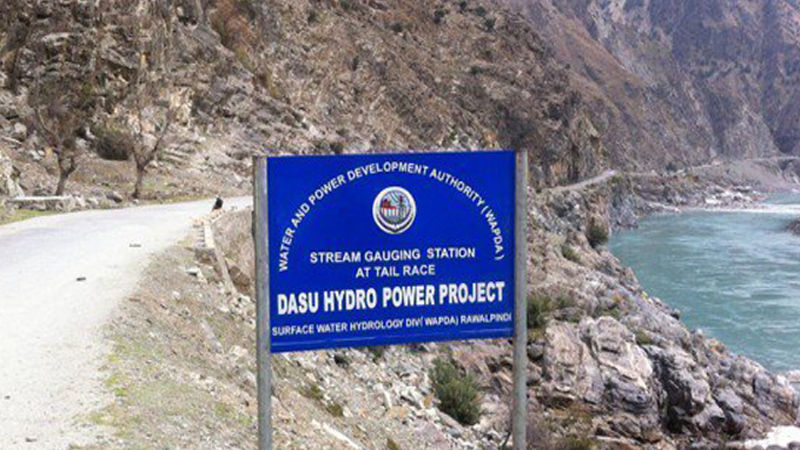
The World Bank has reported mixed progress on Pakistan’s Dasu Hydropower Stage-I project, downgrading progress toward development objectives to “moderately satisfactory” while maintaining overall implementation at the same level amid rising execution and macroeconomic risks, according to a news report.
In its latest Implementation Status and Results Report, the Bank said the project continues to carry a high overall risk rating, citing governance challenges, institutional capacity constraints and economic pressures.
The 2,160MW run-of-river project on the Indus River is a key component of Pakistan’s long-term energy strategy and is expected to generate 12,225 gigawatt-hours annually upon completion. However, electricity generation remains at zero as construction is still underway.
According to the report, progress on the main hydraulic structure has reached just over 29%, while work on power generation facilities stands at around 19%. Supporting infrastructure, including roads and relocation activities, is relatively more advanced but remains incomplete.
The report also highlighted delays in the 765kV transmission line required to evacuate electricity from Dasu to Islamabad, noting that no physical progress has been recorded despite contractor mobilisation beginning in 2023.
The Water and Power Development Authority, which is implementing the project, is facing capacity constraints, particularly in developing future hydropower projects, a key objective of the initiative.
The World Bank has committed financing through a mix of IDA credits, IBRD loans and guarantees, including a $1 billion package approved in 2024 and signed in 2025. However, disbursement levels vary across instruments, indicating implementation challenges.
Macroeconomic factors, including currency depreciation, are also affecting project costs and financing, adding to the risks of timely completion.
On the social side, the project has delivered measurable outcomes, with over 22,000 people benefiting from improved services in the project area. Indicators related to community engagement, including grievance handling and women’s participation in income-generating activities, have shown progress, though some development initiatives remain behind schedule.
Our monitoring team diligently searches the vast expanse of the web to carefully handpick and distill top-tier business and economic news stories and articles, presenting them to you in a concise and informative manner.
View all articles →0 Comments
No comments yet. Be the first to join the discussion!