April 24, 2026
Pakistan meets 14 of 17 IMF targets ahead of next tranche, misses tax goal
Complete targets include Rs4.1 trillion deficit ceiling, Rs326 billion BISP transfers, Rs1,360 billion social spending and Rs568 billion provincial taxes; Rs6.16 trillion revenue target missed; $1.2 billion tranche due in May

April 24, 2026
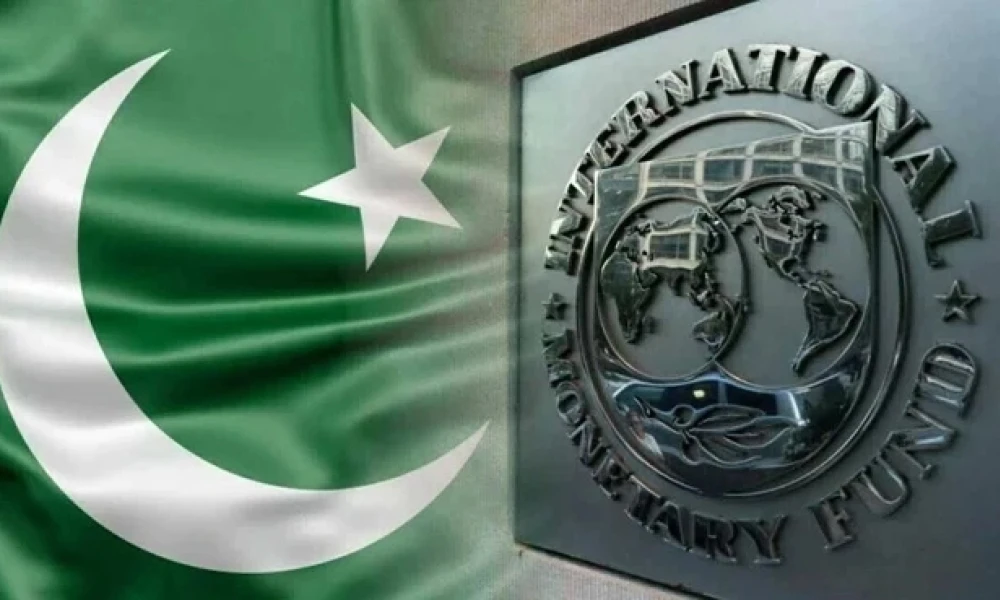
Pakistan met 14 out of 17 quantitative performance and indicative targets set under the IMF programme for the end of December 2025, according to official assessments shared with the Fund’s Executive Board.
The shortfall was primarily due to the Federal Board of Revenue missing its tax collection target of Rs6,161 billion, while data for two other indicators, including income tax collection from retailers and the addition of 500,000 new return filers, was not available.
The IMF staff has completed its review under the $7 billion Extended Fund Facility and briefed the Executive Board, which is expected to consider approval of the fourth tranche of around $1.2 billion in May 2026.
Among the achieved targets, the ceiling on the general government primary budget deficit was met at Rs4.1 trillion, while spending on health and education reached Rs1,360 billion in line with programme requirements.
Cash transfers under the Benazir Income Support Programme stood at Rs326 billion, meeting the agreed target. Provincial governments also met their revenue target, collecting Rs568 billion in taxes.
The State Bank of Pakistan met several monetary targets, including maintaining net domestic assets at Rs15,016 billion and keeping government borrowing from the central bank at zero. The ceiling on net foreign currency swaps and forward positions stood at negative $1.86 billion, in line with programme benchmarks.
Net international reserves were adjusted from negative $5.6 billion to negative $6.99 billion by end-December 2025, with the revised target achieved.
Other targets met included limits on government guarantees, which stood at Rs4,542 billion, as well as ceilings on tax refund arrears and power sector repayment arrears.
The programme also required a provincial primary surplus of Rs1,227 billion, which was achieved, while no external public payment arrears were recorded.
Officials said overall progress under the programme remains broadly on track despite the revenue shortfall, with remaining conditions to be reviewed ahead of the Board’s decision on the next disbursement.
Our monitoring team diligently searches the vast expanse of the web to carefully handpick and distill top-tier business and economic news stories and articles, presenting them to you in a concise and informative manner.
View all articles →0 Comments
No comments yet. Be the first to join the discussion!