April 24, 2026
Power shortfall exceeds 11,000MW as RLNG supply halts, key plants underperform
Available capacity drops to around 17,000MW from 46,000MW installed, 5,500MW idle due to LNG shortage, Neelum-Jhelum shutdown and Guddu output reduction deepen shortfall

April 24, 2026
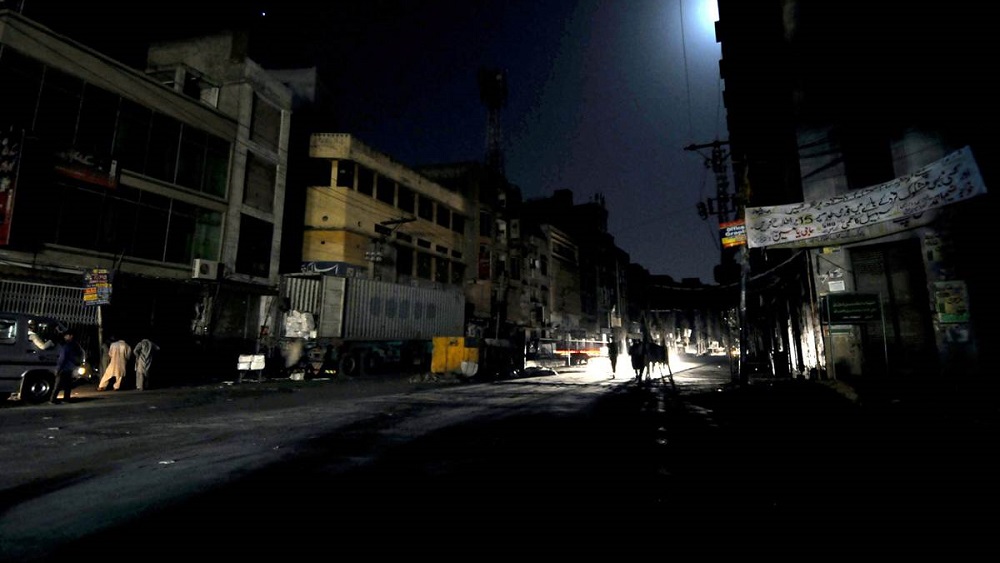
Pakistan is facing a power shortfall of more than 11,000MW due to the unavailability of re-gasified liquefied natural gas (RLNG), outages at major plants and transmission constraints, according to official data and sources in the power sector.
As per media reports, the country’s installed generation capacity stands at around 46,000MW, but effective operational capacity has declined to about 29,066MW. After accounting for unavailable capacity, actual electricity supply is estimated at nearly 17,000MW.
The shortfall has been exacerbated by the shutdown of major facilities, including the 969MW Neelum-Jhelum Hydropower Project and reduced output from the 747MW Guddu Combined Cycle Power Plant, which is operating at partial capacity.
Of the operational capacity, hydropower and RLNG-based generation each contribute around 6,602MW, followed by coal at 6,778MW, residual furnace oil at 3,472MW, gas at 1,907MW, nuclear at 2,990MW, and smaller contributions from solar, wind and bagasse-based plants.
Officials said around 5,500MW of generation capacity remains idle due to the absence of LNG supply.
A spokesperson for the Power Division said 4,950MW of electricity was generated during peak hours through water releases, although total installed hydropower capacity is around 11,500MW. Lower water demand from provinces has limited hydel output by roughly 6,000MW.
The system is also facing transmission constraints, with about 400MW of surplus electricity from the southern region unable to be fully transferred to northern areas, contributing to load shedding in parts of Punjab.
Distribution companies have implemented load management of two to two-and-a-half hours during peak demand periods, while “economic load management” on high-loss feeders continues under existing policy.
Officials said peak-time shortages are expected to ease once LNG supplies resume, but current constraints, combined with seasonal demand and reduced water releases, are affecting supply, particularly during nighttime.
Looking ahead, projections indicate rising electricity demand. Under a high-demand scenario, peak demand could reach 43,069MW by 2035, while medium and low scenarios estimate peaks of 39,132MW and 35,521MW, respectively. Under a demand-side management scenario, peak demand could decline to 28,622MW by 2035.
Authorities have urged conservation measures to manage demand amid ongoing supply challenges.
Our monitoring team diligently searches the vast expanse of the web to carefully handpick and distill top-tier business and economic news stories and articles, presenting them to you in a concise and informative manner.
View all articles →2 Comments
No comments yet. Be the first to join the discussion!