April 25, 2026
Pakistan moves to import spot LNG after Qatar supply halt shuts seven power plants
National Coordination and Management Council directs to float tenders as LNG shortage raises costs, RFO use doubles and load shedding continues

April 25, 2026
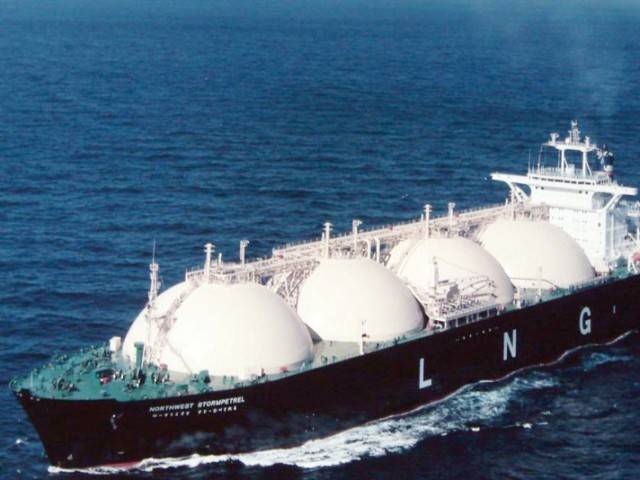
The Petroleum Division has decided to float spot tenders for liquefied natural gas following directions from the National Coordination and Management Council to restore operations of RLNG-based power plants that have shut down due to supply disruptions, Business Recorder reported.
The decision follows a request from the Power Division, which wrote to the Petroleum Division on April 18 seeking arrangements to ensure fuel availability for power plants in Punjab and one facility operated by K-Electric.
Around seven RLNG-fired power plants with a combined capacity of over 5,500MW are currently non-operational after LNG supplies from Qatar were suspended under a force majeure declaration.
Officials said the LNG shortfall has worsened the electricity demand-supply gap, prompting power distribution companies to carry out load management under guidance from the Independent System and Market Operator.
As an interim measure, power generation from residual fuel oil has increased to around 400,000 tons, up from 200,000 tons in March, with the additional cost expected to be passed on to consumers through the fuel charges adjustment.
According to the Ministry of Energy (Power Division), the impact of fuel costs for April is estimated at around Rs1.30 per unit. The government is avoiding reliance on high-speed diesel, which costs around Rs100 per unit, due to its impact on tariffs.
Spot LNG prices are currently in the range of $18–22 per MMBtu, translating into generation costs of around Rs30–35 per unit.
Pakistan’s RLNG requirement for power generation stands at 400–450 MMCFD, which cannot be fully met until Qatar resumes supplies following disruptions linked to the Strait of Hormuz.
An official said the Pakistan LNG Limited is proceeding with tenders in line with directions from the National Coordination and Management Council.
Meanwhile, the Power Division said electricity demand has increased, while higher water releases from Tarbela Dam have supported hydropower generation.
Hydropower output reached 5,800MW during peak hours against an installed capacity of 11,500MW, allowing an additional 500MW to be transmitted to the central grid.
Transmission from the southern region also increased by 100MW compared to April 22, improving system stability.
Despite these measures, distribution companies implemented load management of up to two hours during peak hours.
The Power Division said economic load management continues on high-loss feeders and is separate from peak-hour measures.
Officials said restoration of LNG supplies and continued hydropower generation would be critical to reducing shortfalls in the coming weeks.
Our monitoring team diligently searches the vast expanse of the web to carefully handpick and distill top-tier business and economic news stories and articles, presenting them to you in a concise and informative manner.
View all articles →0 Comments
No comments yet. Be the first to join the discussion!