April 25, 2026
Pakistan’s cotton output falls to 40-year low, making country net importer
Production drops to 5 million bales in 2025-26 season from 15 million bales, ginning units halve to 600 as climate change, pest attacks, and particularly sugar mills expansion in South Punjab hit yields

April 25, 2026
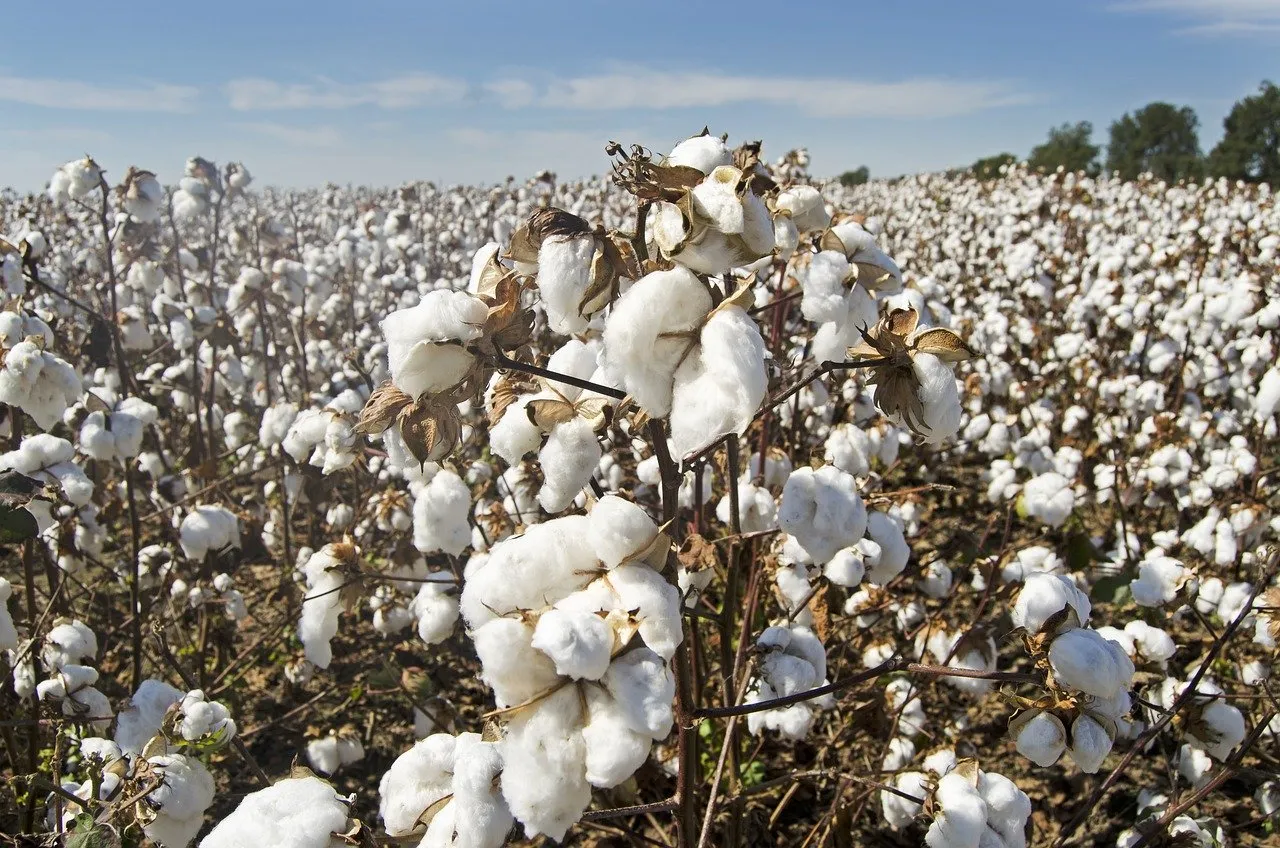
Pakistan’s cotton production has fallen to around 5 million bales in the 2024-25 and 2025-26 seasons from 15 million bales, marking a 40-year low and pushing the country toward increased reliance on imports to sustain its textile industry, according to a news report.
Stakeholders said falling per-acre yields of phutti have weakened the sector, raising concerns over long-term sustainability.
Officials from the Punjab Agriculture Department and agricultural experts attributed the decline to adverse weather conditions, pest attacks and shortages of certified seeds.
Erratic monsoon rainfall between June and September has led to waterlogging and nutrient loss, while temperatures reaching up to 48°C have affected crop development through pollen sterility and fruit shedding.
Crop damage has also been driven by persistent pest attacks, including whitefly, pink bollworm, armyworm and jassid, often compounded by ineffective pesticides.
Farmers have increasingly shifted away from cotton to alternative crops such as sugarcane, maize and rice due to declining profitability and higher risks.
Ginners pointed to the expansion of sugar mills in cotton-growing regions of South Punjab as a contributing factor, noting that districts such as Rahimyar Khan have seen a shift in cultivation patterns.
They said that despite restrictions on establishing sugar mills in cotton belts, violations have occurred.
The Pakistan Cotton Ginners Association said cotton output has fallen from 15 million bales to 5 million bales, while the number of ginning factories has declined from 1,200 to 600.
The association, along with the All Pakistan Oil Mills Association, has called for the removal of taxes on cotton, cottonseed and edible oil to support the sector.
Industry representatives said high taxation has affected ginning and oil extraction businesses, and proposed measures including documented trade, closure of unregistered mills and activation of dispute resolution mechanisms.
Experts said outdated seed technology has further reduced yields, with continued reliance on older Bt cotton varieties limiting resistance to pests and diseases. Growers also reported shortages of certified seeds, with rejection rates reaching up to 50%.
Rising input costs, including fertilisers, fuel and pesticides, along with inconsistent support pricing and irrigation shortages, have added to the pressure on farmers.
Officials from the Punjab Agriculture Department said efforts are underway to address the decline and support growers, with provincial authorities working on measures to improve production and stabilise the sector.
0 Comments
No comments yet. Be the first to join the discussion!