April 25, 2026
Textile sector urges SBP to expand export refinance to ease liquidity pressure
APTMA cites liquidity constraints due to higher energy costs, supply chain disruptions and geopolitical uncertainty; calls for higher financing limits as PTC proposes energy, tax and policy reforms

April 25, 2026
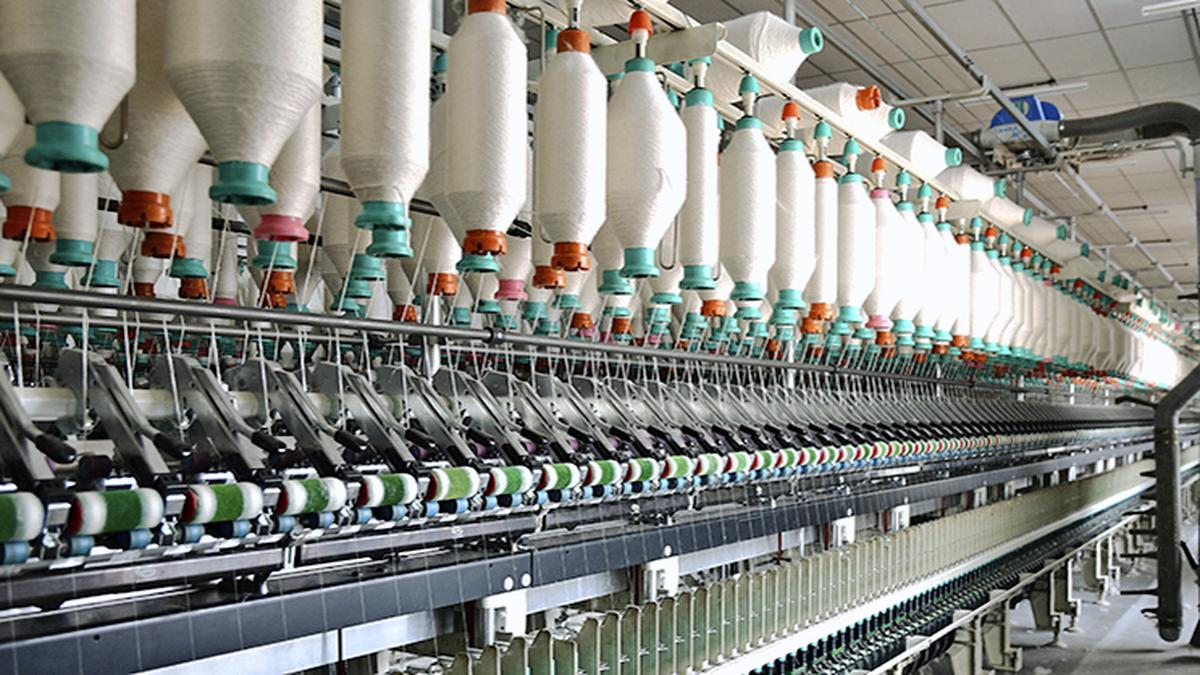
Pakistan’s textile industry has called on the State Bank of Pakistan (SBP) to expand export refinance facilities to help exporters meet rising working capital needs.
In a letter to the central bank governor, the All Pakistan Textile Mills Association (APTMA) said the sector is facing liquidity constraints due to higher energy costs, supply chain disruptions and geopolitical uncertainty, particularly in the Middle East.
The association noted that the textile sector contributes around 60% of Pakistan’s exports, 8.5% to GDP and employs nearly 40% of the manufacturing workforce, making it a key source of foreign exchange earnings.
It said limited access to financing is affecting production and export commitments, and requested an increase in export refinance limits to support order fulfilment.
Separately, the Pakistan Textile Council proposed a set of policy measures to support the sector.
These include restoring regionally competitive energy tariffs at around 8.5 cents per kWh, removing gas levies and ensuring stable energy pricing.
The council also recommended restoring the final tax regime at 1% turnover tax, reducing corporate tax to 20%, and eliminating super tax.
Other proposals include reinstating accelerated depreciation, reintroducing tax credits on industrial investment, reducing sales tax to 15% and implementing a graded GST structure.
To address liquidity issues, the council suggested ensuring automated refunds within 72 hours, rationalising duty drawback rates and introducing a 5% duty drawback of local taxes and levies.
It also called for doubling allocations under the export refinance scheme, increasing limits under export financing and long-term financing facilities, and offering concessional financing for green investments.
Additional measures include a temporary freeze on minimum wages, reduction in employer contributions to the Employees’ Old-Age Benefits Institution, alignment of labour laws with regional competitors and maintaining existing export facilitation coverage.
The council further recommended a five-year textile policy framework with performance monitoring and the restoration of a zero-rated regime for exporters.
0 Comments
No comments yet. Be the first to join the discussion!