SBP raises policy rate by 100 bps to 11.50% after three years as inflation risks mount
Central bank tightens monetary stance amid Middle East tensions, rising energy costs and growing inflation pressures
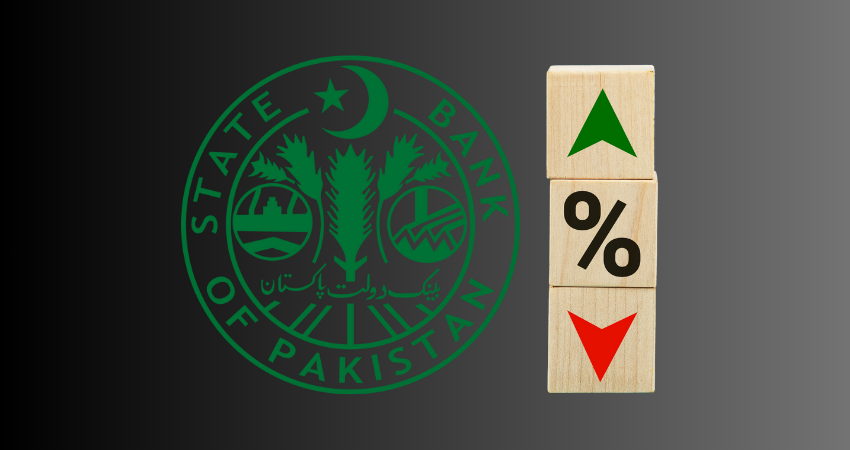
KARACHI: The State Bank of Pakistan (SBP) on Monday increased the policy rate by 100 basis points (bps) to 11.50%, marking its first rate hike in nearly three years, as mounting geopolitical tensions and rising global energy prices fuel inflation concerns.
The decision was taken during the third Monetary Policy Committee (MPC) meeting of 2026 and was largely in line with market expectations, which had anticipated monetary tightening amid escalating tensions in the Middle East and disruptions in global energy markets.
In its policy statement, the MPC warned that the prolonged Middle East conflict has intensified risks to Pakistan’s macroeconomic outlook. It noted that global energy prices, freight charges and insurance premiums remain significantly above pre-conflict levels, while ongoing supply chain disruptions continue to add to uncertainty.
Although incoming data has broadly aligned with expectations so far, the committee cautioned that the full impact of global developments will become evident in key economic indicators in the coming months. In this context, the MPC assessed that inflation is likely to rise and remain above the target range in the next few quarters.
“Accordingly, the MPC deemed it necessary to maintain a tighter policy stance to keep inflation expectations anchored and contain second-round effects of the current supply shock,” the statement said. It added that preserving macroeconomic stability is essential for achieving sustainable economic growth.
Key economic developments
The MPC highlighted several major developments since its last meeting.
Inflation rose to 7.3% in March, while core inflation edged up to 7.8%. Surveys also indicated a deterioration in inflation expectations and a decline in consumer and business confidence.
On the growth front, real GDP expanded by 3.8% in the first half of FY26, compared to 1.9% during the same period last year. Meanwhile, the current account posted a small surplus during July–March FY26.
Despite significant debt repayments, SBP’s foreign exchange reserves stood at around $15.8 billion as of April 24, 2026, supported by the issuance of Eurobonds as Pakistan re-entered international capital markets after more than four years.
The MPC also noted that a staff-level agreement with the IMF was reached on March 27, 2026, further supporting macroeconomic stability.
Real sector outlook
The committee observed that high-frequency industrial and services indicators showed signs of moderation in March.
Agricultural growth prospects have also slightly weakened, mainly due to lower-than-expected wheat production, according to preliminary estimates from the Federal Committee on Agriculture.
The spillover effects of the ongoing Middle East conflict on industrial and services activity in the fourth quarter are expected to push FY26 GDP growth closer to the lower bound of earlier projections.
The MPC added that the moderation in economic activity is likely to continue into FY27, although the outlook remains subject to risks linked to the duration and intensity of geopolitical tensions.
External and fiscal sector
Despite challenging global conditions and worsening terms of trade, the MPC expects the current account balance in FY26 to remain near the lower bound of earlier projections.
Foreign exchange reserves are projected to exceed $18 billion by June 2026, supported by continued external inflows.
On the fiscal front, data indicates that the fiscal deficit remained contained till March. However, rising international oil prices have complicated fiscal management, requiring targeted subsidies to support vulnerable groups.
“To achieve the targeted full-year primary surplus, a larger cut in expenditures may be required,” the statement said.
Inflation outlook
Looking ahead, the MPC warned that the current supply shock could push inflation into double digits in the coming months before gradually easing.
However, inflation is expected to remain above the upper bound of the 5–7% target range for most of FY27.
The outlook remains vulnerable to several risks, including the duration of geopolitical tensions, the pass-through of global energy price increases into domestic markets, and potential fiscal slippages.
At its previous meeting on March 9, 2026, the MPC had kept the benchmark policy rate unchanged at 10.5%, in line with market expectations.
6 Comments
No comments yet. Be the first to join the discussion!