Pakistan moves to build 90-day strategic petroleum reserves amid Hormuz risks
Government considers Rs10/litre PDL to raise Rs200 billion annually; current fuel cover at 24–28 days, committee to submit plan by May 8
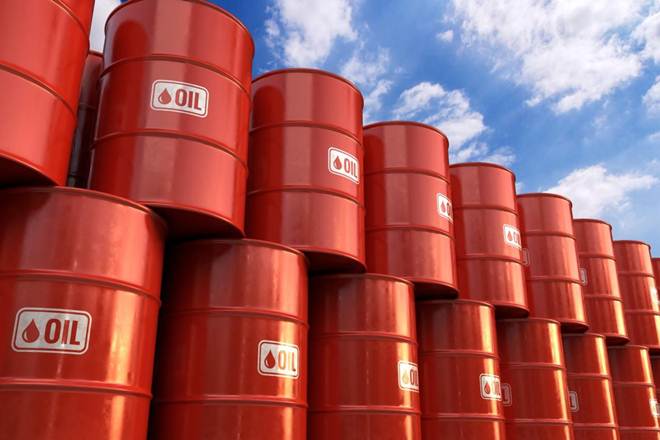
Pakistan has initiated plans to develop Strategic Petroleum Reserves (SPR) aimed at building a fuel buffer of up to 90 days, as concerns grow over potential supply disruptions linked to instability in the Strait of Hormuz, The News reported.
The move follows rising geopolitical tensions involving the United States, Israel and Iran, which have heightened risks to global energy supply routes. Policymakers view the situation as highlighting Pakistan’s dependence on imported petroleum and exposure to external shocks.
To address the gap, the government has formed a high-level committee under the Petroleum Division to finalise recommendations for establishing SPR infrastructure. The committee, constituted on April 22, 2026, by Petroleum Minister Ali Pervaiz Malik, is expected to submit its report by May 8.
The body includes representatives from key institutions such as the Oil and Gas Regulatory Authority, National Crisis Management Cell, Joint Staff Headquarters, Pakistan State Oil, Inter State Gas Systems and Pakistan Institute of Development Economics, along with private sector stakeholders including Hubco and refinery and storage operators.
Under the proposed framework, authorities are considering imposing a Petroleum Development Levy (PDL) on petrol and diesel to finance the project. Officials estimate that with annual fuel consumption of around 20 billion litres, a levy of Rs10 per litre could generate approximately Rs200 billion annually, with around Rs600 billion expected over three years to fund construction of storage facilities.
Currently, Pakistan maintains fuel reserves covering 24 to 28 days, largely in the form of commercial inventories held by oil marketing companies. These stocks are intended for routine supply management and are not designed to withstand major disruptions.
In comparison, international benchmarks are higher, with members of the International Energy Agency maintaining reserves equivalent to 90 days of consumption, while India and China hold approximately 75 days and up to 120 days, respectively.
Officials said the proposed SPR would serve as a state-controlled buffer to stabilise domestic fuel supplies during emergencies, including geopolitical conflicts, maritime disruptions and global price volatility.
Alongside SPR development, authorities are examining plans to expand existing commercial storage capacity from 24–28 days to 45–50 days to improve supply resilience.
The committee is also reviewing earlier studies by international consultants and recent local assessments to develop a feasible framework. Officials noted that previous recommendations on strategic reserves were not implemented, contributing to the current shortfall in preparedness.

Our monitoring team diligently searches the vast expanse of the web to carefully handpick and distill top-tier business and economic news stories and articles, presenting them to you in a concise and informative manner.
View all articles →Comments
No comments yet. Be the first to join the discussion!