April 30, 2026
Pakistan’s oil bill jumps to $800 million a week as Middle East conflict hits growth, PM says
Shehbaz Sharif informs cabinet import bill up from $300 million, reserves steady after $3.45 billion repayment; cabinet approves agriculture, skills, vaccine policies

April 30, 2026
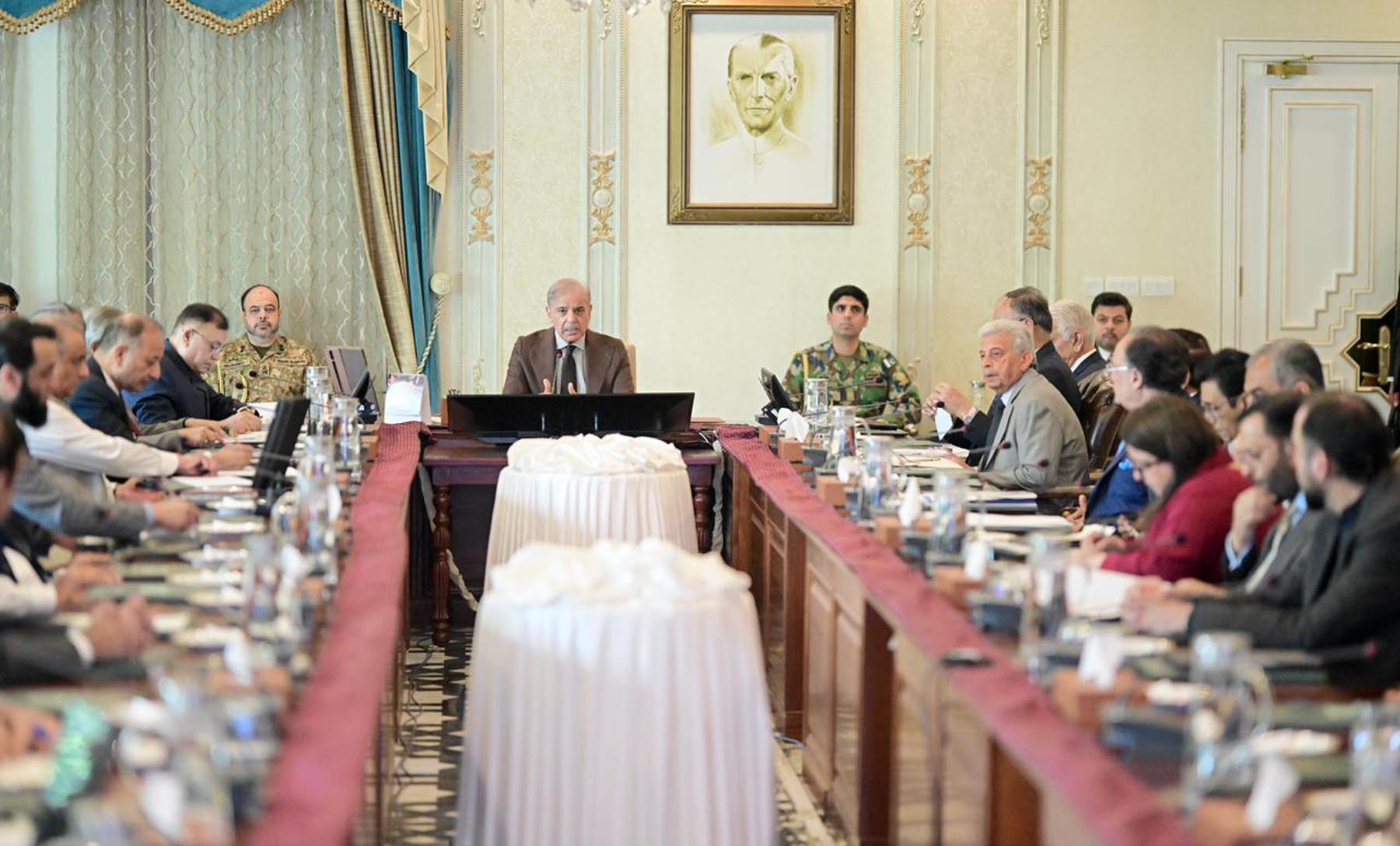
Prime Minister Shehbaz Sharif said Pakistan’s weekly oil import bill has risen to $800 million due to the ongoing conflict in the Middle East, impacting the country’s economic growth.
Chairing a federal cabinet meeting, the prime minister said the country had been on a recovery path after achieving macroeconomic stability, but regional tensions, particularly the US-Iran conflict, have disrupted progress.
He said the oil bill had increased sharply from around $300 million per week before the conflict, adding that the government is working to manage consumption and mitigate the impact of higher global prices.
Sharif said foreign exchange reserves have remained stable despite repayments, including a $3.45 billion transfer to the United Arab Emirates. He also acknowledged support from Saudi Arabia, including a $3 billion deposit and the extension of a $5 billion credit facility for three years.
The prime minister highlighted Pakistan’s diplomatic engagement, including hosting talks between the United States and Iran in Islamabad earlier this month, which lasted nearly 21 hours. He said the country continues to support efforts aimed at regional stability.
He also commended the role of senior officials, including Deputy Prime Minister and Foreign Minister Ishaq Dar, Chief of Defence Forces Field Marshal Syed Asim Munir, and Interior Minister Mohsin Naqvi, in supporting diplomatic efforts.
Separately, the federal cabinet approved a series of policy measures across agriculture, skills development and public health.
These included the National Agriculture Biotechnology Policy to support food security and research, the National Seed Policy 2025 aimed at increasing agricultural output by 15–20%, and the National Skills Development Policy to align workforce capabilities with industry requirements.
In the health sector, the cabinet approved a policy for domestic vaccine production and formed a committee under the Drug Regulatory Authority of Pakistan (DRAP) to oversee quality and pricing.
The cabinet also endorsed the engagement of teachers under the Federal Directorate of Education’s Visiting Faculty Regulations 2025 in line with a Supreme Court ruling.
The National Electric Power Regulatory Authority’s Annual Report 2025 and the State of Industry Report 2025 were also presented during the meeting.
Sharif said the government will continue measures to manage fuel prices and protect consumers, adding that consultations on subsidies and public welfare will continue.
0 Comments
No comments yet. Be the first to join the discussion!