May 1, 2026
Middle East war may cost Pakistan up to $68 billion, inflation risk rises, NA panel told
Briefing warns oil import costs surge, remittances and exports may drop sharply, inflation could reach 17% under severe scenario

May 1, 2026
- Standing Committee on Finance clears netting law, debt amendments amid Middle East risk warnings
Pakistan’s economy could face losses of up to $68 billion annually under a severe scenario linked to the Middle East conflict, while inflation may rise to 17%, an economist told the National Assembly Standing Committee on Finance.
Ali Salman, head of the Policy Research Institute of Market Economy (PRIME), presented three impact scenarios to the committee chaired by Syed Naveed Qamar. He said the scale of potential losses exceeds the size of Pakistan’s $7 billion International Monetary Fund (IMF) programme.
In the current scenario, based on 51 days of conflict, the annual impact on Pakistan’s economy is estimated between $10 billion and $14 billion. This includes a monthly increase of $334 million in oil import costs, a $333 million reduction in remittances, a $400 million decline in exports and an additional $100 million in freight charges, with inflation projected between 10% and 12%.
Under an adverse scenario where the conflict extends to three months, annual losses could range from $24 billion to $32 billion. Monthly oil import costs may increase by $1 billion, remittances could fall by $700 million and exports by $800 million, while inflation may rise to 13%–15%.
In the severe case, with oil prices reaching $150 per barrel, the annual economic impact could range between $50 billion and $68 billion, with a monthly impact of $5.7 billion. Oil import costs could increase by $2.8 billion per month, remittances may drop by $1.5 billion and exports by $1.2 billion, while inflation could reach 17%.
Salman said oil price increases have already added about $4 billion to Pakistan’s external payments within two months up to April 30. Prime Minister Shehbaz Sharif had earlier stated that the weekly oil import bill rose from $300 million to $800 million.
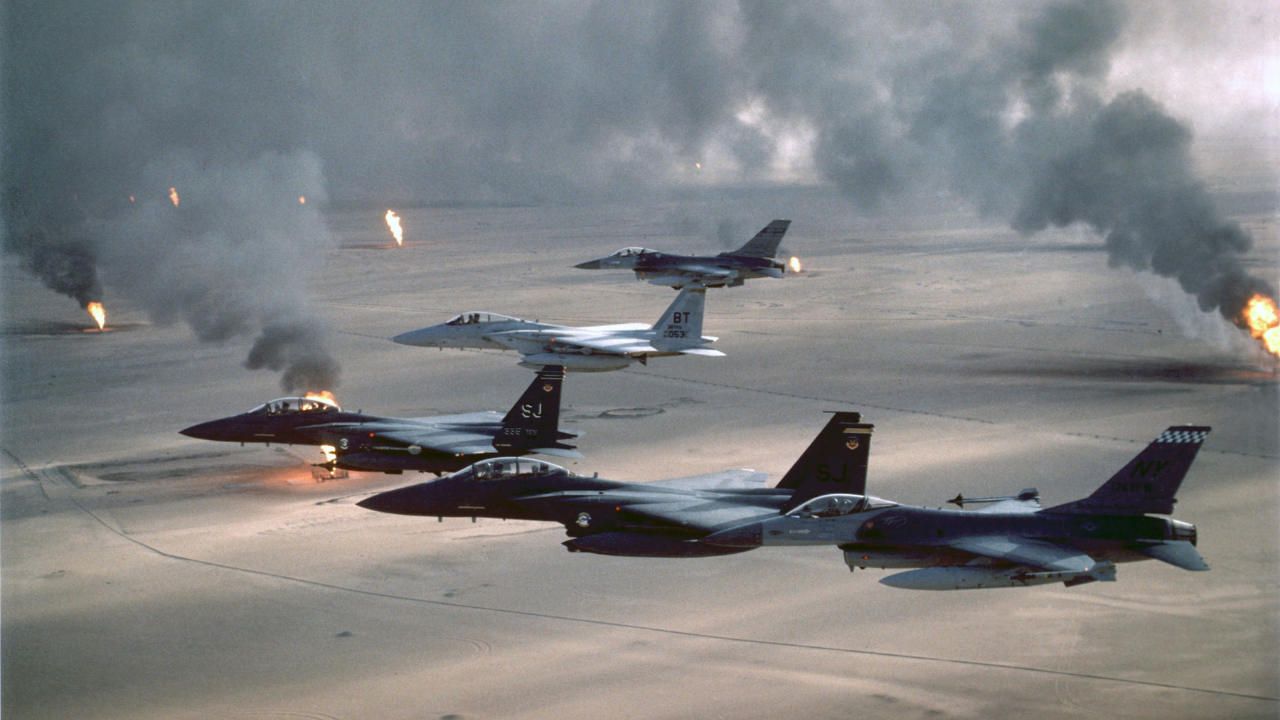
The conflict, which began on February 28, has disrupted regional trade flows, with Iran closing the Strait of Hormuz and the United States enforcing a naval blockade affecting oil shipments.
Separately, the Ministry of Finance presented amendments to the Fiscal Responsibility and Debt Limitation Act, which were approved by the committee. The changes aim to allow the ministry to appoint additional directors in the Debt Office.
Committee members raised concerns over governance and debt management. MNA Sharmila Faruqi opposed granting unlimited appointment powers, while MNA Jawad Hanif Khan questioned delays in filling the post of director general.
Officials informed the committee that the debt-to-GDP ratio stood at 70.7% in the last fiscal year, exceeding the 56% statutory limit. MNA Hina Rabbani Khar questioned the failure to adhere to the limit, while discussions continued on whether breaches should be formally reported to parliament.
Our monitoring team diligently searches the vast expanse of the web to carefully handpick and distill top-tier business and economic news stories and articles, presenting them to you in a concise and informative manner.
View all articles →0 Comments
No comments yet. Be the first to join the discussion!