May 2, 2026
Govt moves to revive refinery policy amid Gulf tensions
SIFC pushes GST waiver decision as refineries report Rs50 billion losses, policy implementation delayed for years

May 2, 2026
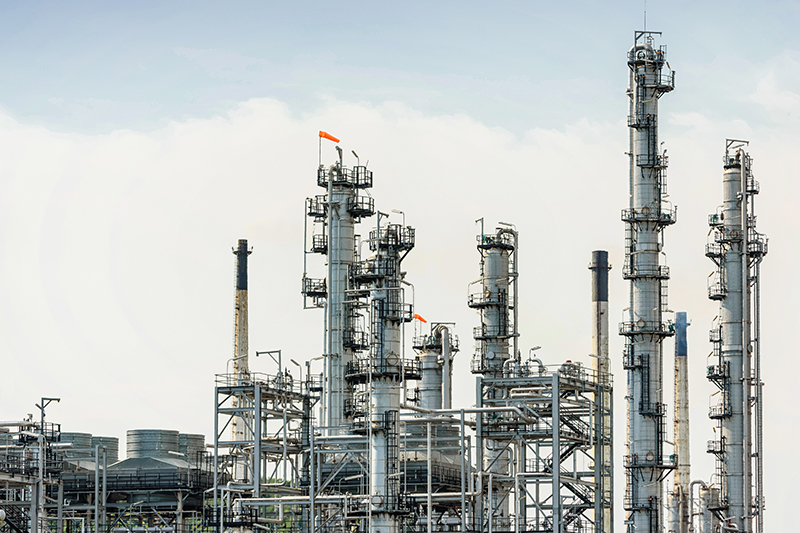
The government has renewed efforts to implement the long-pending oil refinery policy amid the ongoing US-Iran conflict, as authorities seek to strengthen domestic refining capacity and reduce reliance on imports, The Express Tribune reported.
Officials said the matter was taken up in a recent high-level meeting after remaining stalled for nearly two years. The Special Investment Facilitation Council is also pressing relevant ministries to resolve the issue of General Sales Tax (GST) concessions, which industry representatives say has led to financial losses for refineries and oil companies.
The refining sector has reported cumulative losses of around Rs50 billion over the past five years, particularly affecting facilities in the southern region, including Pakistan Refinery Limited, Cnergyico and National Refinery Limited.
Industry officials said earlier pricing measures had reduced refinery margins to near break-even levels, with an estimated Rs35 billion absorbed by the sector in April alone to support lower consumer fuel prices.
The government recently increased diesel prices by adding Rs28 per litre through the petroleum levy, a move that industry participants say raises questions about pricing policy and its impact on both consumers and refiners.
Refineries have also pointed to structural challenges, including policy delays and competition from imported petroleum products. They argue that prolonged uncertainty has hindered investment in capacity expansion and upgrades.
The refinery policy, aimed at enabling upgrades to Euro-V standards and boosting output, has remained under discussion for several years. Industry stakeholders said timely implementation could have reduced import dependence and supported export potential.
Pakistan continues to rely on imported refined products, exposing the economy to global price fluctuations and exchange rate pressures.
Officials said strengthening domestic refining capacity remains important for energy security, supply management and stabilising the balance of payments.
Our monitoring team diligently searches the vast expanse of the web to carefully handpick and distill top-tier business and economic news stories and articles, presenting them to you in a concise and informative manner.
View all articles →0 Comments
No comments yet. Be the first to join the discussion!