May 3, 2026
Pakistan eyes Saudi partnership for strategic oil reserves as supply risks mount
Fuel security push gains urgency after Iran–US conflict exposes limited 20–30 day stock cover and vulnerability to disruptions

May 3, 2026
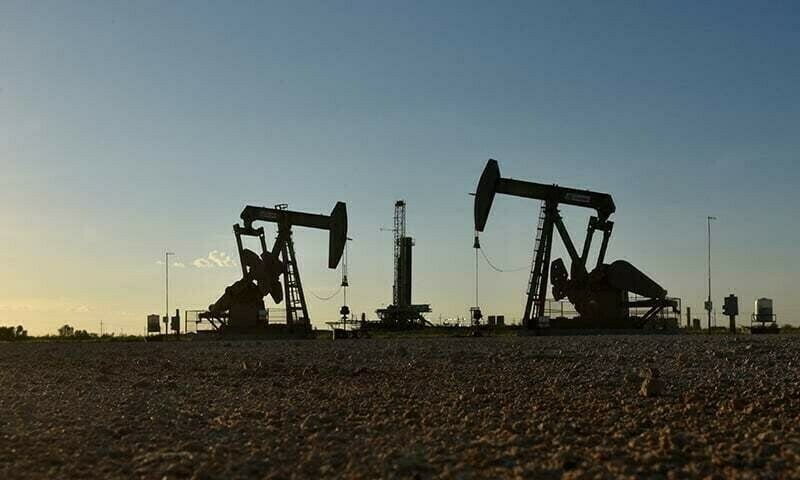
Pakistan is weighing a plan to establish strategic oil storage facilities through a joint venture with Saudi Arabia, as policymakers move to strengthen fuel security following recent regional tensions and supply disruptions linked to the Iran–US conflict.
Officials say the country currently maintains petroleum stocks sufficient for only 20 to 30 days, a level viewed as inadequate in the event of a prolonged crisis. The issue gained urgency after the conflict exposed multiple vulnerabilities in Pakistan’s energy supply chain, prompting the government to form a committee to evaluate options for building strategic reserves.
According to sources, a proposal to invite Saudi Arabia to support the development of oil storage infrastructure was discussed at a high-level meeting. Pakistan remains the only country in the region without dedicated strategic oil reserves, while the United Arab Emirates has already developed large-scale storage facilities, including projects in India.
Previous efforts to advance similar projects with Azerbaijan and the UAE failed to materialise due to bureaucratic delays, eventually leading both countries to step back. A separate proposal to establish an “oil city” also did not progress.
Energy experts argue that Gwadar could serve as a strategic location for oil storage, particularly as an alternative route if disruptions occur in the Strait of Hormuz. The closure of the route during the conflict highlighted Gwadar’s potential role in regional energy logistics.
Analysts note that such facilities could also align with the interests of China, a major importer of Iranian oil, given its operational control of Gwadar Port. They suggest that a Saudi-backed refinery and storage network could provide Beijing with an alternative supply corridor bypassing the Strait of Hormuz.
Saudi Arabia had earlier committed to investing $10 billion in an oil refinery project in Gwadar, and discussions are underway on the possible revival of that plan. Pakistan’s close ties with the kingdom, including a defence pact, are seen as supportive of deeper energy cooperation.
Meanwhile, Azerbaijan’s state firm SOCAR is working with Pakistan’s Frontier Works Organization on a $280 million oil pipeline project. Industry officials say Islamabad could also re-engage Baku to revive earlier proposals for strategic storage facilities in Gwadar or Karachi.
The recent crisis also revived interest in gas storage solutions. Pakistan faced power shortages due to limited LNG availability during the conflict, prompting renewed discussion on using depleted oil and gas fields for storage.
Separately, during the disruption, Pakistan opened all six trade routes with Iran to facilitate the movement of around 3,000 stranded containers, underscoring the broader logistical challenges faced during the period.
Experts say developing both oil and gas storage infrastructure will be critical to insulating Pakistan’s energy sector from future geopolitical shocks.
Our monitoring team diligently searches the vast expanse of the web to carefully handpick and distill top-tier business and economic news stories and articles, presenting them to you in a concise and informative manner.
View all articles →0 Comments
No comments yet. Be the first to join the discussion!