Pakistan mulls used-car refurbishment export scheme under Auto Policy 2026-31
Imported used vehicles to remain barred from local sale, mandatory re-export within nine months; Proposed scheme, based on Dubai and Jebel Ali model pushed by SIFC
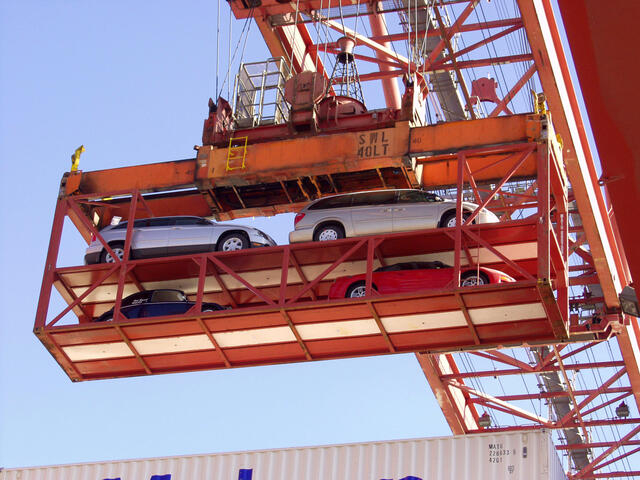
The government has proposed an import-refurbishment-export (IRE) framework for used cars under the newly drafted Auto Policy 2026-31, aiming to create a licensed sector for importing used vehicles, refurbishing them in Pakistan and exporting them to other markets, The News reported, citing official sources.
The proposed scheme, modelled on the Dubai/Jebel Ali system, has been pushed by the Special Investment Facilitation Council (SIFC) after the Gulf war, according to officials. Pakistan is looking to use the mechanism to generate multi-million-dollar export earnings at a time when the country’s overall exports remain below target.
The draft auto policy is currently under negotiation with the International Monetary Fund (IMF) and will later be placed before the federal cabinet for approval.
Official sources said the IRE framework is designed to encourage investment in specialised vehicle refurbishment facilities, generate export revenue and connect Pakistan with the global automotive value chain. The scheme would provide duty suspension incentives under the Export Facilitation Scheme (EFS).
Under the proposal, only registered companies would be allowed to operate in the IRE sector. These companies would have to be incorporated under the Companies Act and show financial and technical capacity, including a business plan for refurbishment and export.
IRE firms would also need specific approval from the Ministry of Commerce and Industries as a sectoral export project and would be required to register under the EFS. Their refurbishment facilities would have to be verified by the Engineering Development Board (EDB).
Officials said the eligibility criteria and procedures would be applied on a sector-wide basis rather than through a single pilot project. The framework would operate under the EFS and Import Policy Order (IPO) 2022, while the Federal Board of Revenue (FBR) may amend the relevant regime to facilitate the scheme.
Vehicles imported under the IRE mechanism would not be allowed to enter the local market. Each vehicle, or batch of vehicles, would have to be re-exported within nine months from the date of import.
Limited extensions may be granted in exceptional cases, subject to valid justification and additional financial security. Failure to re-export vehicles within the prescribed period would be treated as a violation of the policy, and the FBR may take action under its rules and regulations.

Our monitoring team diligently searches the vast expanse of the web to carefully handpick and distill top-tier business and economic news stories and articles, presenting them to you in a concise and informative manner.
View all articles →Comments
No comments yet. Be the first to join the discussion!