Govt moves to resolve tax dispute delaying $6 billion refinery upgrade
Petroleum minister directs officials to finalise proposals before budget as sales tax changes disrupt refinery investment plans
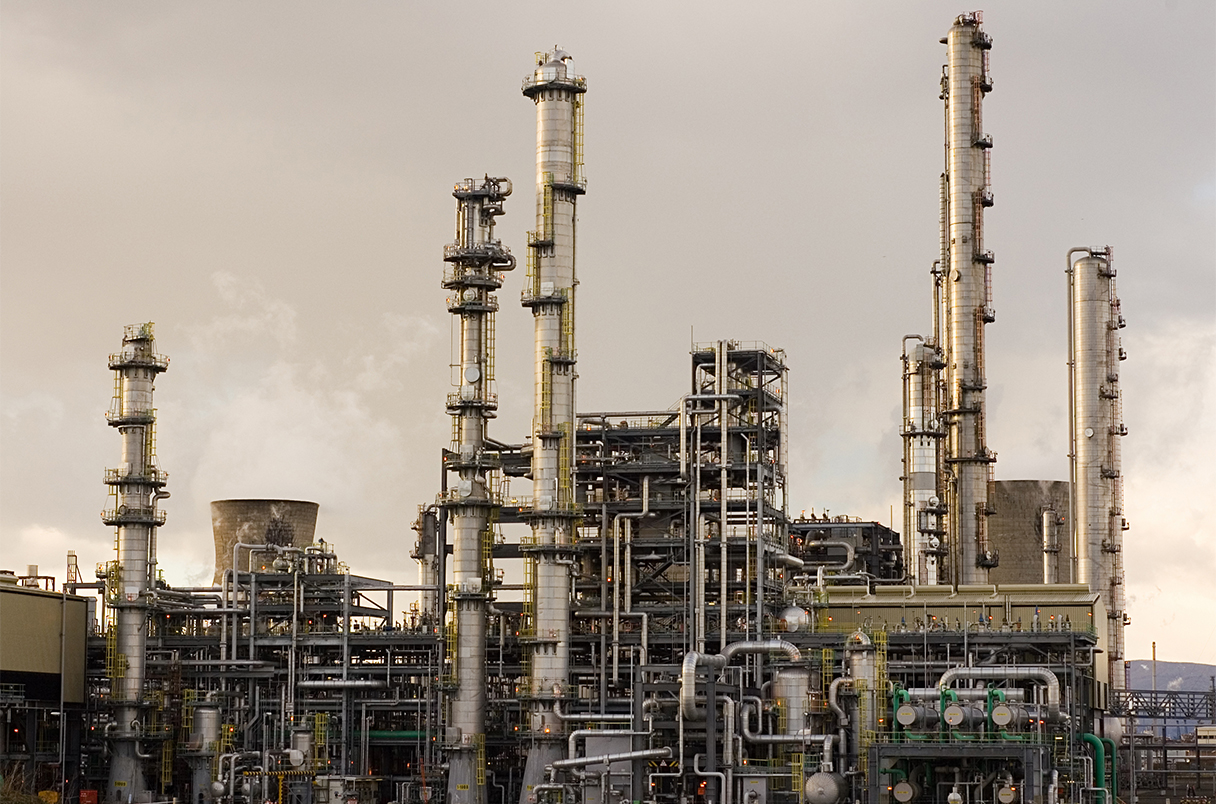
ISLAMABAD: The government has moved to address the long-standing taxation dispute delaying Pakistan’s multi-billion-dollar refinery modernisation plans, as Petroleum Minister Ali Pervaiz Malik directed officials to finalise proposals before the federal budget to operationalise the Brownfield Refinery Upgradation Policy without further delay.
Chairing a high-level meeting at the Petroleum Division with chief executives and managing directors of the country’s major oil refineries, the minister reviewed progress on implementation of the Brownfield Upgradation Refinery Policy and discussed key obstacles hindering investment decisions.
During the meeting, exemption of sales tax on petroleum products emerged as the principal issue affecting the commercial viability of refinery upgradation projects, which industry stakeholders say has effectively stalled investments estimated at nearly $6 billion.
The minister directed that a comprehensive proposal addressing taxation and related policy challenges be prepared and submitted to the relevant forum before finalisation of the upcoming federal budget, aiming to remove hurdles that have delayed implementation of refinery policies announced in 2023.
This issue stems from changes introduced through the Finance Act 2024, a framework that has continued into the Finance Act 2025, which altered the sales tax status of petroleum products from zero-rated to exempt. This shift has significantly disrupted the tax adjustment mechanism for both refineries and oil marketing companies, as they can no longer fully adjust input sales tax against output tax liabilities. As a result, a large portion of input tax — estimated at up to 85% — has effectively become a cost rather than a pass-through item, which cannot be recovered through product pricing due to regulated fuel rates set by OGRA under government policy. This has created a structural financial strain across the refining and downstream petroleum supply chain, undermining viability and investor confidence.
At the outset of the meeting, the petroleum minister termed local refineries “critical national assets” for ensuring an uninterrupted fuel supply and safeguarding the country’s energy security.
He observed that the ongoing regional situation arising from the US-Iran conflict had further highlighted the urgency of reducing reliance on external supply chains and enhancing domestic refining flexibility and capacity.
The minister emphasised that the timely upgradation of existing refineries was essential to increase production capacity, improve operational efficiency and enable local production of cleaner Euro-V-compliant fuels in accordance with international standards.
He noted that refinery modernisation would not only improve fuel quality and engine performance but also help reduce harmful emissions and improve environmental outcomes.
Despite the announcement of refining policies in 2023, the minister acknowledged that implementation progress had remained stalled due to unresolved bottlenecks and stressed the need for immediate policy action to restore investor confidence and move projects forward.
During detailed discussions, refinery executives reviewed the Upgradation Agreement template and highlighted operational and commercial challenges affecting project execution. Industry representatives also expressed confidence in the Petroleum Division’s efforts to resolve outstanding issues.
The petroleum minister reiterated the government’s commitment to refinery modernisation, calling it a national priority essential for energy security, cleaner fuel transition and protection against external market disruptions.
The meeting was attended by Secretary Petroleum, Additional Secretary (Policy), Director General (Oil) Mohsin Ali Mangi, Managing Director and CEO Pakistan Refinery Limited Irteza Ali Qureshi, Managing Director PARCO M. Adil Khattak, CEO Attock Refinery Limited Kamran Iqbal, CEO Cynergico and Asad Hasan, CEO National Refinery Limited.

The author is a an investigative journalist at Profit. He can be reached at [email protected].
View all articles →1 Comment
No comments yet. Be the first to join the discussion!