May 12, 2026
SBP sees FY26 growth near 3.75% as Middle East conflict raises inflation risks
SBP sees FY26 growth near 3.75% as Middle East conflict raises inflation risks

May 12, 2026
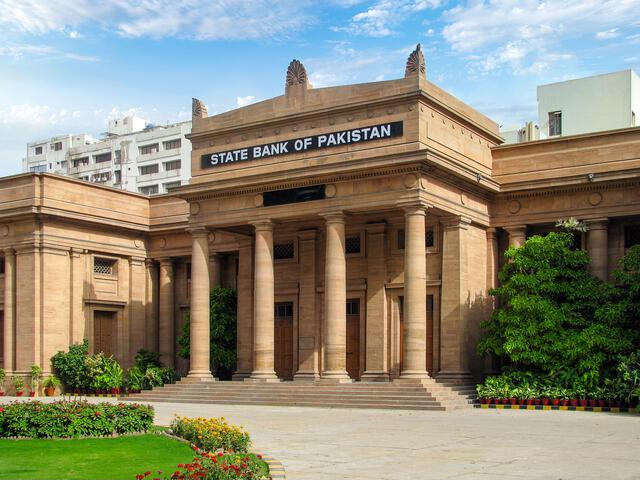
State Bank of Pakistan on Tuesday said Pakistan’s economy remained on a more stable footing in the first half of FY26, but warned that the ongoing Middle East conflict could push inflation above the 5% to 7% target range for most of FY27.
In its State of Pakistan’s Economy: Half Year Report FY26, the central bank projected real GDP growth for the current fiscal year to remain close to the lower end of its earlier forecast range of 3.75% to 4.75%.
The SBP said the economy expanded 3.8% in H1-FY26, nearly double the pace recorded in the same period last year, led by stronger industrial output and supported by services and agriculture.
Average national consumer inflation slowed to 5.2% in the first half of the fiscal year, about two percentage points lower than a year earlier, while the fiscal balance posted a surplus for the first half of a fiscal year for the first time since FY02.
Despite stronger domestic demand and higher commodity prices, the current account deficit is now expected to remain near the lower end of the earlier forecast range of 0% to 1% of GDP, supported by resilient workers’ remittances.
The central bank said remittance inflows could face pressure in the fourth quarter because Gulf Cooperation Council countries accounted for around 55% of Pakistan’s total remittances during FY21 to FY25. Nevertheless, it said full-year remittances are expected to remain strong.
The report said supply disruptions stemming from the Middle East conflict could raise oil, insurance and freight costs, increasing Pakistan’s import bill and putting upward pressure on prices.
However, the government’s decision to pass higher oil prices through to domestic consumers, along with energy conservation measures and lower LNG imports, may help contain energy demand and reduce import volumes.
Exports are expected to stay weak due to slower global growth, low rice prices, the closure of Pakistan’s western border and shifting trade flows linked to tariff adjustments.
The SBP said sustaining higher growth would require deep structural reforms to address low savings and investment, weak competitiveness, falling exports, subdued foreign direct investment and Pakistan’s persistently low tax-to-GDP ratio.
The report also noted that Pakistan, despite contributing minimally to global greenhouse gas emissions, ranks as the world’s 15th most affected country by climatic events and remains highly vulnerable due to limited preparedness and inadequate climate financing.
Our monitoring team diligently searches the vast expanse of the web to carefully handpick and distill top-tier business and economic news stories and articles, presenting them to you in a concise and informative manner.
View all articles →0 Comments
No comments yet. Be the first to join the discussion!