Commerce, Industries ministries differ over proposed tariff cuts on imported vehicles, alcohol
Govt considers reducing duties on auto imports under IMF-backed tariff rationalisation plan
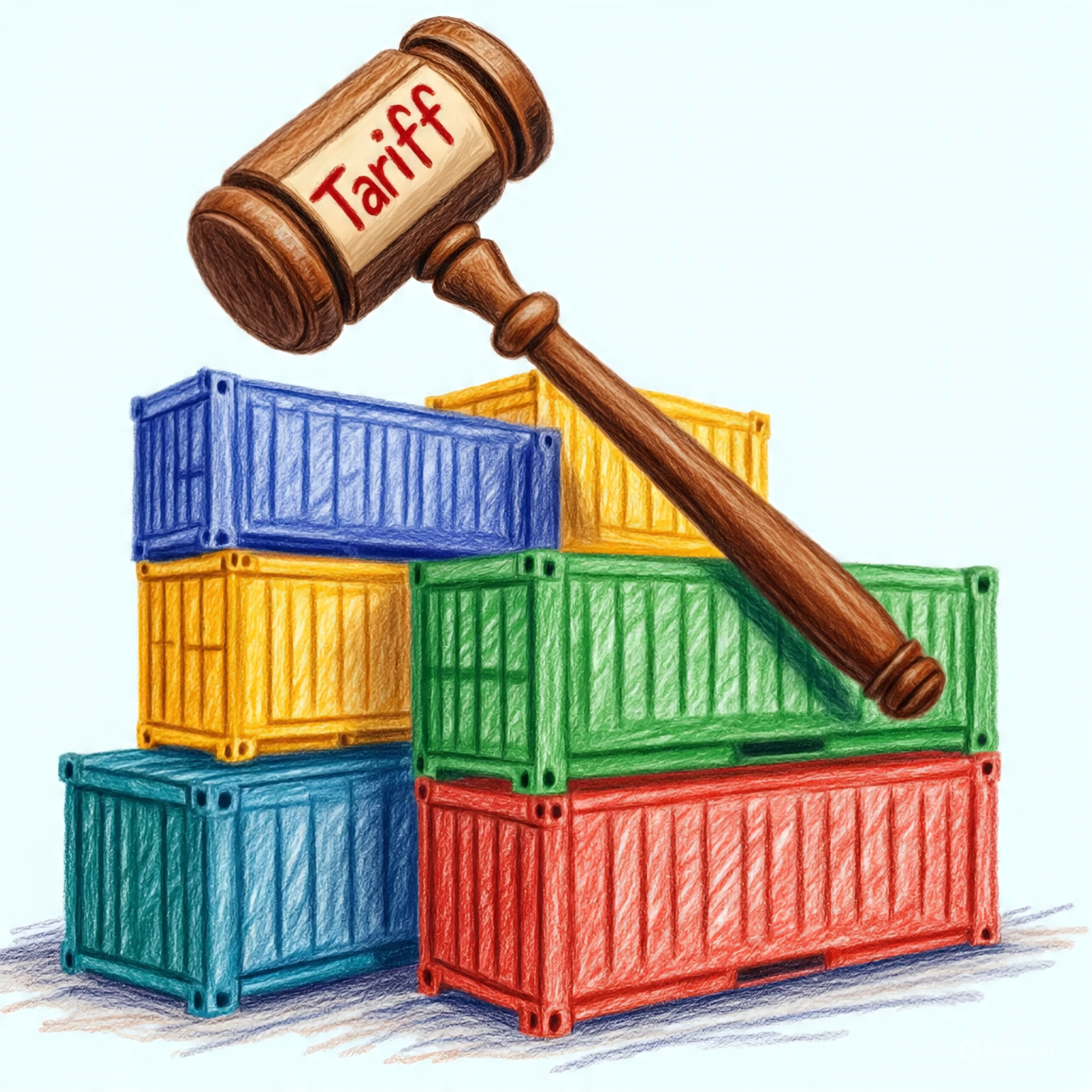
The Ministry of Commerce and the Ministry of Industries and Production have differed over proposed tariff reductions on imported vehicles and alcohol as the government finalises recommendations for the FY2026-27 budget under the National Tariff Policy (NTP) 2025-30, Business Recorder reported, citing sources.
As per the report, the Tariff Policy Board (TPB), headed by the commerce minister, is reviewing tariff rationalisation proposals already aligned with commitments under the International Monetary Fund (IMF)-backed NTP framework.
According to a briefing presented to the Tariff Policy Board (TPB) by the Commerce Ministry, the maximum customs duty (CD) slab under the second year of the NTP implementation is capped at 50%, requiring all duties above that level to be adjusted downward. At present, only imported vehicles and alcohol fall above the 50% slab.
The ministry proposed reducing tariffs on imported auto sector products, including Completely Built Units (CBUs) and Completely Knocked Down (CKD) kits.
Under the proposal, tariff lines currently facing combined duties of 106-156% under the 100% CD slab — including vehicles above 1800cc across 31 tariff lines — could see duties reduced to 54-74%.
Similarly, the 90% customs duty slab covering 17 tariff lines, including alcohol and liquor products, is proposed to be reduced to 50%.
The 75% slab covering 14 tariff lines may be lowered to 45%, bringing combined duties on related CKD and CBU products to 49-57%.
The Commerce Ministry also proposed reducing customs duty slabs of 60%, 55% and 50% to 40%, 35% and 30%, respectively.
According to the presentation, the weighted average tariff is projected to decline from 8.64% in FY2025-26 to 7.42% in FY2026-27, while the simple average tariff may fall from 16.56% to 13.71%.
The ministry further proposed reducing Additional Customs Duty (ACD) rates in line with NTP targets, lowering rates from 6% to 4%, 4% to 2%, and 2% to 0%.
However, officials suggested retaining a minimum 2% ACD on 14 tariff lines with specific customs duties instead of ad valorem duties due to estimated revenue implications of ₨26-27 billion.
The proposal also includes gradual reduction of Regulatory Duties (RDs), with all RDs above 20% to be capped at 20% in the second year of implementation. Existing RDs of 1%, 2% and 2.5% may be eliminated.
Special Assistant to the Prime Minister (SAPM) on Industries and Production Haroon Akhtar Khan said the TPB should retain flexibility in adjusting RD and ACD rates to protect domestic industries.
He opposed proposals presented by a private TPB member for deeper and faster reductions in RDs, arguing that abrupt cuts could expose local industries to foreign competition without adjustment time.
Secretary Commerce also supported maintaining consistency with the NTP while considering the impact on domestic industry.
During the meeting, concerns were raised over potential public reaction to proposed tariff cuts on alcohol imports. Secretary Commerce observed that reducing customs duties on alcohol and liquor products from 90% to 50% could attract negative media attention despite limited revenue implications.
The TPB decided that the proposed tariff reduction on alcohol would be referred to the Steering Committee for further consideration.
The board also agreed in principle with the Commerce Ministry’s tariff reduction path for FY2026-27 and decided that deviations from the NTP by the Ministry of Industries and Production would be presented before the Steering Committee for guidance.
The National Tariff Commission (NTC) was tasked with preparing a list of industries likely to be affected by the tariff rationalisation exercise.

Our monitoring team diligently searches the vast expanse of the web to carefully handpick and distill top-tier business and economic news stories and articles, presenting them to you in a concise and informative manner.
View all articles →Comments
No comments yet. Be the first to join the discussion!