No tariff relief yet from CPEC-based power producers despite renegotiated deals with other IPPs
Power minister says CPEC power projects were established under a govt-to-govt framework, and Pakistan is seeking concessions through debt reprofiling
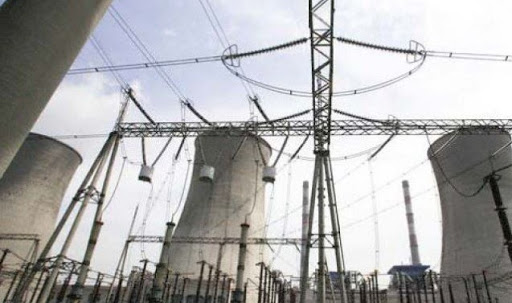
Pakistan has yet to secure tariff relief from Chinese power producers set up under the China-Pakistan Economic Corridor (CPEC), even as renegotiated agreements with other independent power producers (IPPs) and public sector plants have generated estimated lifetime savings of more than Rs3.5 trillion, Power Minister Sardar Awais Khan Leghari said.
The minister said talks with CPEC-based IPPs for tariff rationalisation had not produced a sufficient outcome so far.
He said the CPEC power projects were established under a government-to-government framework, and Pakistan had been seeking concessions through debt reprofiling.
Leghari said any review of these agreements would have to remain within the government-to-government arrangement because both sides had provided guarantees for the projects.
He said Pakistan also had to respect investments that came into the country at a time when few investors were willing to invest in the power sector.
The minister said he expected an agreement to be reached for improvement, but added that sufficient results had not materialised yet.
He said renegotiations with IPPs, restructuring of power purchase agreements and closure of old plants had helped secure Rs3.5 trillion in lifetime savings.
The last agreement covered under the IPP restructuring exercise is due to expire in 2053, he added.
The minister said the government had also reduced system losses, transferred old-Genco staff to distribution companies and used fiscal space to cut circular debt.
As a result, the power sector’s budgeted subsidy had been reduced from Rs1.287 trillion last year to Rs890 billion this year, he said.
He said the subsidy was expected to fall further to Rs830 billion in the next fiscal year.
Responding to a question, Sardar Awais Khan Leghari said the Neelum-Jhelum Hydropower Project had been out of the system for around one and a half years because of design flaws.
He said the flaws had been established through inquiries ordered by Prime Minister Shehbaz Sharif.
The minister said Wapda would need another one and a half years to repair the project, which cost more than Rs500 billion.

Our monitoring team diligently searches the vast expanse of the web to carefully handpick and distill top-tier business and economic news stories and articles, presenting them to you in a concise and informative manner.
View all articles →Comments
No comments yet. Be the first to join the discussion!