NEPRA approves Rs67.17 billion power tariff relief for three months
Rs1.9857 per unit quarterly reduction applies from June to August, while Rs1.1907 per unit April fuel adjustment will be charged in June bills
ISLAMABAD: Electricity consumers across Pakistan are set to receive tariff relief of Rs67.17 billion through a reduction of Rs1.9857 per unit for three months, although part of the benefit will be offset by an increase of Rs1.1907 per unit under the fuel charges adjustment for April.
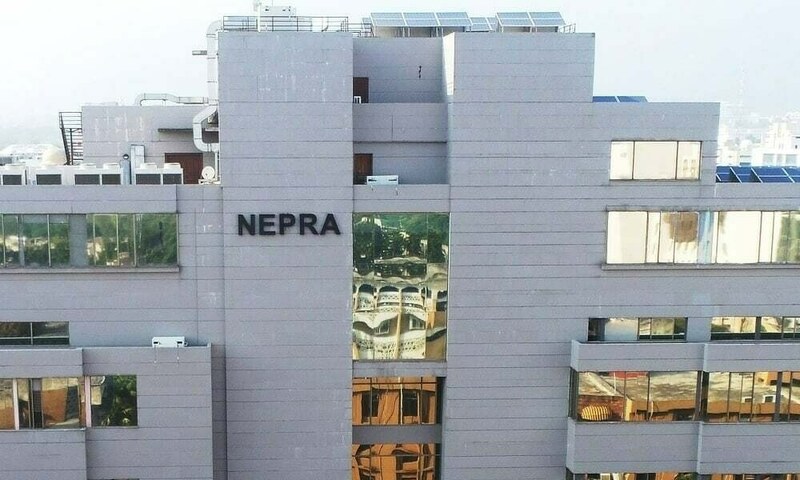
The National Electric Power Regulatory Authority (NEPRA) has approved an overall negative quarterly tariff adjustment of Rs67.173 billion for consumers of ex-WAPDA distribution companies (XWDISCOs), providing relief in electricity bills from June to August 2026.
According to the regulator’s decision, the negative adjustment resulted from variations in capacity charges, variable operation and maintenance costs, use-of-system charges, market operator fees, the impact of fuel cost adjustments on transmission and distribution losses, and the recovery of prior-period profits on incremental units during the first quarter of 2026.
The relief will be passed on to consumers at a uniform rate of Rs 1.9857 per kilowatt-hour. It will apply to all consumer categories except lifeline consumers, prepaid consumers and units billed under the incremental consumption package.
NEPRA noted that the federal government had issued policy guidelines on August 22, 2023, directing the regulator to ensure the uniform application of quarterly tariff adjustments to consumers of both XWDISCOs and K-Electric.
Under the guidelines, NEPRA is required to determine the application of quarterly tariff adjustments approved for XWDISCOs to K-Electric consumers through tariff rationalisation to maintain a uniform tariff across the country.
In line with the policy, the regulator approved the same negative quarterly adjustment of Rs1.9857 per unit for K-Electric consumers during June, July and August 2026, excluding lifeline consumers, prepaid consumers and units billed under the incremental consumption package.
However, in a separate determination, NEPRA approved a positive fuel charges adjustment for April 2026, increasing electricity tariffs by Rs1.1907 per unit.
The decision followed a request submitted by the Central Power Purchasing Agency-Guarantee Limited (CPPA-G), which reported that actual fuel costs in April exceeded the reference fuel cost incorporated into the tariff.
According to NEPRA, the actual national average fuel charge component for April stood at Rs9.4405 per unit, compared with the reference component of Rs8.2498 per unit, resulting in a uniform increase of Rs1.1907 per unit.
CPPA-G had initially requested an increase of Rs 1.7251 per unit, but NEPRA approved a lower adjustment following its assessment and review.
The fuel charges adjustment will apply to consumers of XWDISCOs and K-Electric, except lifeline consumers, electric vehicle charging stations and prepaid consumers who have opted for prepaid tariffs. It will also apply to electricity consumed under the incremental consumption package.
NEPRA directed XWDISCOs and K-Electric to include the fuel charges adjustment in electricity bills issued in June 2026. The amount will be shown separately on bills and calculated according to the electricity consumed in April.
The regulator clarified that if bills for the applicable period had already been issued before notification of the decision, the adjustment could be recovered or passed on in subsequent billing months.
Despite the fuel adjustment increase, the larger quarterly tariff reduction means eligible consumers will receive net relief in their electricity bills over the next three months.
NEPRA also directed XWDISCOs to submit future quarterly adjustment requests immediately after the end of each quarter to ensure timely processing and implementation.
Distribution companies were further instructed to provide category-wise sales data, including industrial consumption details and an analysis of variations in sales and Maximum Demand Indicator levels, in future quarterly adjustment filings.

The author is an investigative journalist. He can be reached at [email protected].
View all articles →Comments
No comments yet. Be the first to join the discussion!