Pakistan awaits IMF approval for tax relief for salaried class, exporters, property sector
FBR targets ₨15.3 trillion collection in FY27; government proposes lower income tax slabs, 2% Super Tax cut and property sector incentives, while IMF pushes to raise GST to 18% on solar panels, hybrid vehicles and other products
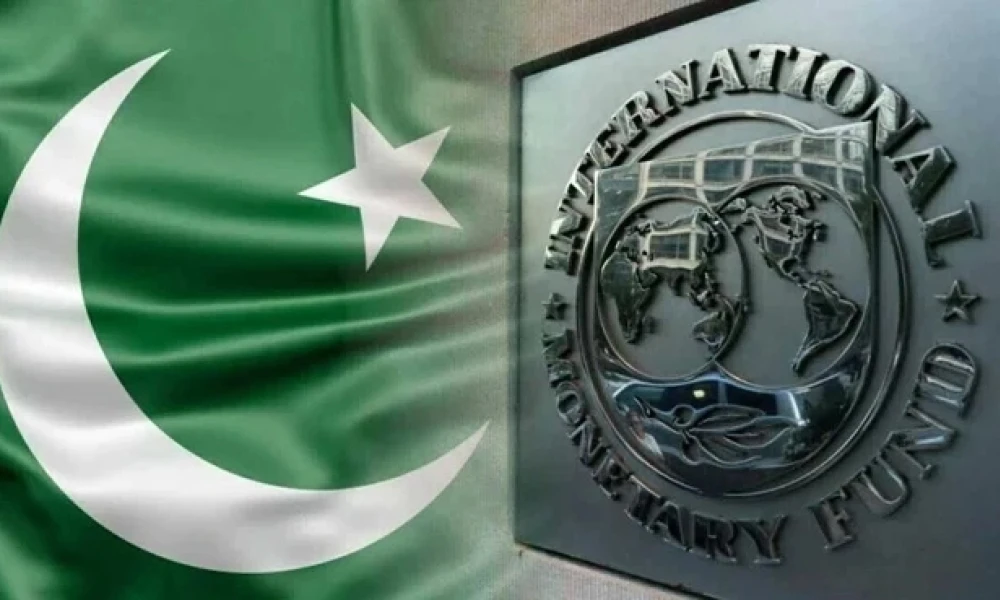
Pakistan is awaiting the International Monetary Fund's approval for a package of tax relief measures and revenue-raising proposals ahead of the federal budget for 2026-27, as the Federal Board of Revenue (FBR) aims to increase tax collection to ₨15.264 trillion in the next fiscal year, The News reported.
Officials said discussions with the IMF are continuing on a range of proposals, including lower income tax rates for salaried individuals, a reduction in Super Tax, incentives for the property sector and the continuation of concessional taxation for electric vehicles.
The proposed revenue target of ₨15.264 trillion comes after the downward revision of the current fiscal year's tax collection target to ₨13.428 trillion. If achieved, the new target would require the FBR to generate an additional ₨1.836 trillion in FY27.
However, sources said actual tax collection in the outgoing fiscal year may remain around ₨13 trillion, which would increase the required revenue effort for next year to approximately ₨2.264 trillion.
Among the relief measures under consideration is a reduction in income tax slabs for salaried taxpayers, particularly middle-income groups. Officials said the extent of any relief would depend on fiscal space agreed with the IMF.
The government has also proposed increasing the taxable income threshold for the highest 35% income tax bracket and reducing the Super Tax rate by two percentage points, from 10% to 8%, for selected high-income companies and individuals.
In the property sector, authorities have proposed reducing taxes on the sale and purchase of property for tax filers. While the government has sought to bring the transaction tax down to zero, the IMF has reportedly argued that a minimum levy of 0.5% to 1% should remain in place to support documentation of the economy.
Pakistan has also requested permission to retain the concessional General Sales Tax regime for electric vehicles, maintaining that it supports energy conservation objectives and aligns with commitments under the $1.4 billion Resilience and Sustainability Facility programme.
At the same time, the IMF has urged Pakistan to broaden the standard 18% GST regime by withdrawing reduced rates on nearly two dozen products and sectors.
Items currently enjoying concessional GST rates include solar panels, hybrid and electric vehicles, fertiliser inputs, natural gas supplied to fertiliser plants, imported computers and laptops, pharmaceuticals, DAP fertiliser, tractors, stationery products, animal feed, selected food items and industrial imports into former tribal areas.
The government is negotiating with the IMF to retain lower tax rates on some products, particularly those considered sensitive from a consumer and industrial perspective.
Officials acknowledged that discussions over the revenue measures have become increasingly complex as both sides seek to balance revenue mobilisation with economic growth and inflation concerns ahead of the presentation of the federal budget.

Our monitoring team diligently searches the vast expanse of the web to carefully handpick and distill top-tier business and economic news stories and articles, presenting them to you in a concise and informative manner.
View all articles →Comments
No comments yet. Be the first to join the discussion!