Chinese firms may join Reko Diq project as Pakistan discusses cost and security concerns with Barrick officials
Discussions focus on reducing project costs, addressing security challenges in Balochistan and accelerating development; commercial production remains targeted for 2028
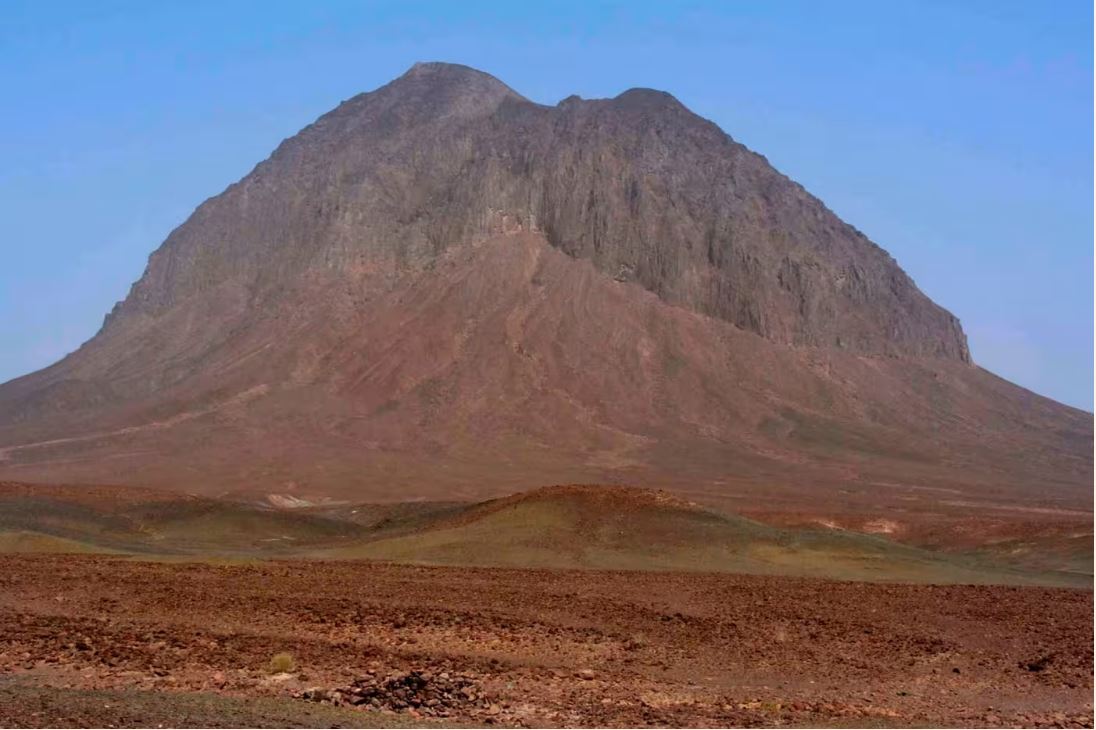
The possible participation of Chinese companies in the Reko Diq copper and gold project is under consideration as Pakistani authorities and Barrick Gold officials explore options to reduce costs, address security challenges in Balochistan and accelerate project development, according to sources familiar with the matter.
Sources said the issue was discussed during recent meetings between Pakistani officials and Barrick Gold Chairman John Thornton, where project development arrangements and potential avenues for collaboration were reviewed.
According to the sources, Barrick Gold has indicated a willingness to accommodate Chinese firms in various segments of the project, although no official decision has been announced.
Despite repeated attempts, no official confirmation was available from the Petroleum Minister or the Petroleum Division secretary.
Petroleum Division sources said the project's financial close has been delayed due to technical and financial issues. However, development work continues, and commercial production is still expected to begin by the end of 2028.
Located in Balochistan's Chagai district, Reko Diq is considered one of the largest mining investments in Pakistan's history. The latest feasibility study estimates the project will generate more than $74 billion in free cash flow over its expected 37-year life, contributing significantly to exports, foreign exchange earnings and economic activity.
The study also shows that the cost of the first phase has increased to $6.8 billion, approximately 58% higher than earlier estimates, due to global inflation, expanded production capacity and additional infrastructure requirements.
Barrick Gold owns a 50% stake in the project, while the remaining 50% is held jointly by the federal government and the Government of Balochistan. The federal government's share is represented through Oil and Gas Development Company Limited, Pakistan Petroleum Limited and Government Holdings Private Limited.
Under the current development plan, the first phase is expected to produce around 200,000 tonnes of copper annually. Following completion of the second phase, annual copper production is projected to increase to approximately 400,000 tonnes.
Average annual gold output is estimated at nearly 500,000 ounces. Over the life of the mine, total production is expected to reach 13.1 million tonnes of copper and 17.9 million ounces of gold.
Sources said Chinese firms are viewed as capable of executing large-scale projects despite security challenges in the region. Government officials believe their participation could help reduce development costs, shorten construction timelines and lower operational risks, while Barrick Gold remains committed to advancing the project.
Interest from international lenders is also growing. The International Finance Corporation (IFC) recently announced an additional $400 million in financing, increasing its total commitment to the project to $700 million.
Industry observers say the project has the potential to transform Pakistan's mining sector by generating employment, supporting infrastructure development in Balochistan and creating substantial revenue through taxes, royalties and profit-sharing arrangements.

The author is an investigative journalist. He can be reached at [email protected].
View all articles →2 Comments
No comments yet. Be the first to join the discussion!