Sindh targets Rs450 billion in sales tax on services for FY2026-27
Services tax target increases 25% from revised FY26 estimate, while infrastructure cess, stamp duty and motor vehicle taxes support revenue plan


The Sindh government has set a target of collecting Rs450 billion through the Sindh Sales Tax on Services in 2026-27, making it the largest component of the province’s projected tax revenue of Rs690.06 billion.
The new target is Rs62 billion, or 16%, higher than the Rs388 billion budgeted for 2025-26 and Rs90 billion, or 25%, above the revised estimate of Rs360 billion for the outgoing fiscal year.
Compared with actual collections of Rs284.22 billion in 2024-25, the target represents an increase of nearly 58%.
According to the chief minister’s budget speech, the Sindh government expects the higher collection to reduce its reliance on federal transfers and strengthen provincial own-source revenue.
Sales tax on services will account for most of the province’s projected indirect tax receipts of Rs535.41 billion in 2026-27.
The provincial government has also targeted Rs15 billion from excise duties, Rs40 billion from stamp duty and Rs30.41 billion from motor vehicle taxes.
Other indirect taxes, including the Sindh Development and Maintenance of Infrastructure Cess, are projected to generate Rs146.65 billion.
Direct tax receipts have been estimated at Rs8 billion, mainly from agricultural income tax.
Sindh’s total provincial tax revenue target of Rs690.06 billion is higher than both the Rs676.06 billion budget estimate and the Rs623.73 billion revised estimate for 2025-26.
The province has separately projected non-tax revenue of Rs85 billion, taking total provincial own-source revenue to Rs775.06 billion.
The higher services tax target is expected to focus collection efforts on sectors including information technology, telecommunications, banking, logistics, hospitality, real estate and professional services.
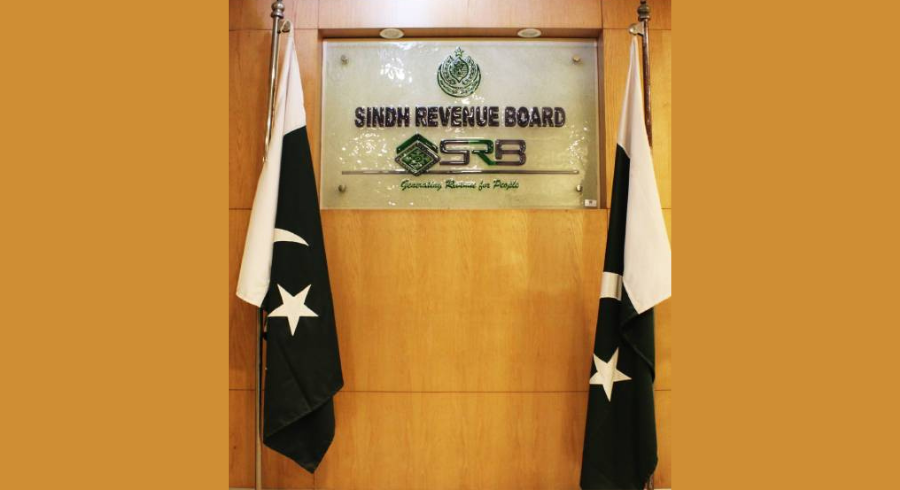
Businesses operating in these sectors are likely to face increased reporting, invoicing and compliance requirements through the Sindh Revenue Board’s digital systems.
The government is expected to expand the tax base through improved documentation, digital monitoring, audits and enforcement rather than relying solely on higher tax rates.
Businesses are also expected to seek clarity over input tax adjustments, refund processing and grievance resolution as the Sindh Revenue Board moves to meet the higher target.
Federal transfers to Sindh are projected at around Rs2.26 trillion, including Rs2.08 trillion under revenue assignment, along with straight transfers and other grants.
Combined with provincial tax and non-tax collections, Sindh’s general revenue receipts are forecast at approximately Rs3.03 trillion in 2026-27.
Achievement of the Rs450 billion services tax target will depend on growth in taxable services, expansion of the documented economy and the Sindh Revenue Board’s ability to improve compliance and collection.
Comments
No comments yet. Be the first to join the discussion!