Oil tanker earnings hit record levels as Strait of Hormuz traffic slowly recovers
Freight rates nearly double as Middle East crude flows resume amid easing tensions and tight vessel supply

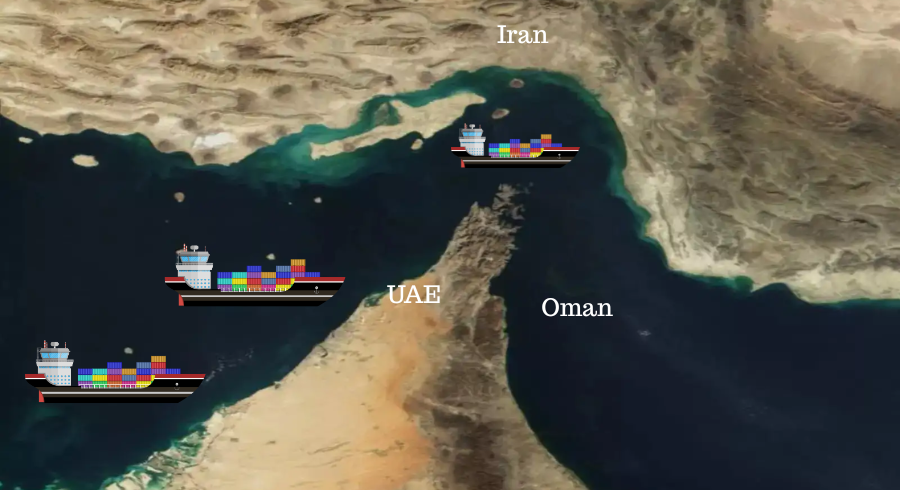
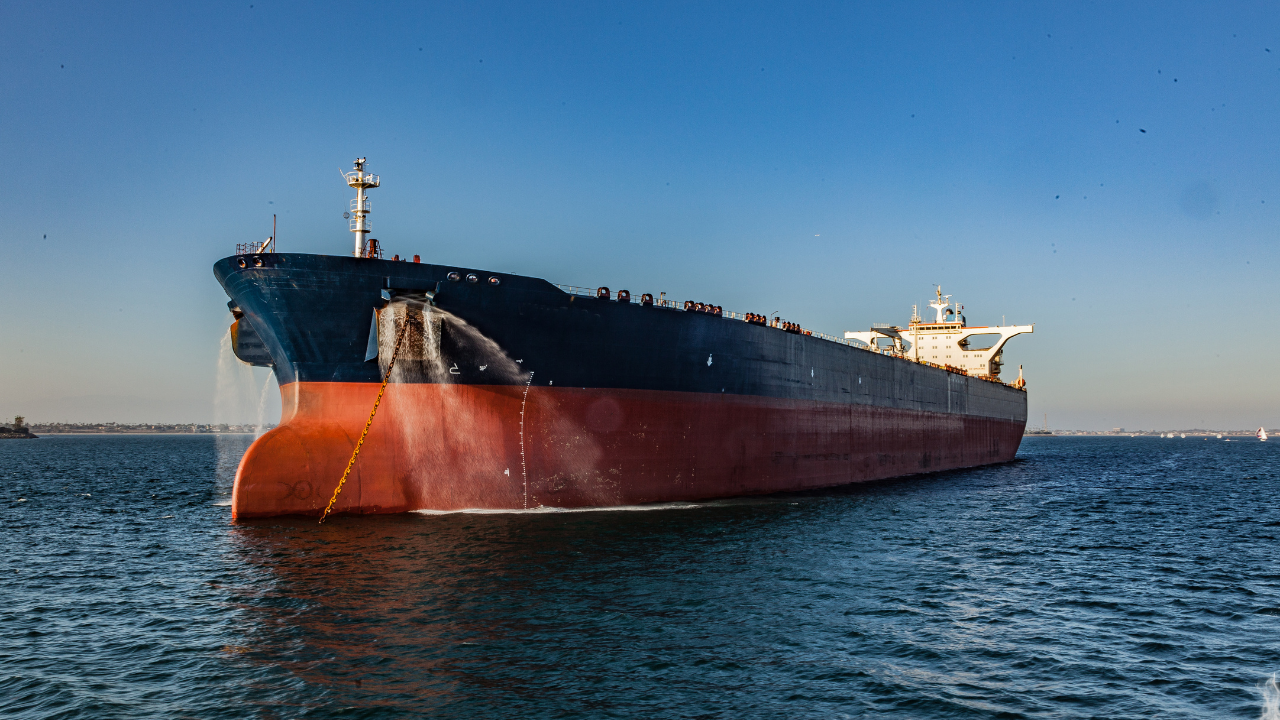
Oil tanker operators are recording record earnings as freight rates for vessels operating through the Strait of Hormuz and wider Gulf region have surged sharply, driven by rising demand for crude shipments and a constrained supply of available ships.
Shipping data and industry sources indicate that hire costs for tankers have nearly doubled in recent days as traffic through the key waterway gradually improves following months of disruption linked to regional hostilities.
Market activity has picked up after Iran effectively lifted a blockade last week under a 60-day ceasefire arrangement with the United States, as negotiations continue toward a longer-term peace agreement. However, shipping volumes remain well below normal levels, with current traffic still a fraction of the pre-conflict average of around 125 vessels per day recorded before the outbreak of hostilities on February 28.
An estimated 100 tankers remain stranded inside the Gulf with cargo onboard, contributing to vessel shortages just as Middle Eastern producers increase export activity.
Freight rates for tankers operating outside the Strait of Hormuz have climbed to $190,500 per day, up from $106,500 a week earlier, according to brokers and market sources. Earnings for very large crude carriers (VLCCs) moving cargoes through the Gulf have surged even higher, reaching nearly $470,000 per day, marking record levels for such routes.
Analysts attribute the spike to tight vessel availability and expectations of a surge in crude shipments from the region in the coming weeks. Market participants also note that tanker owners are positioning for increased Middle East export flows, with spot earnings remaining elevated despite earlier disruptions.
At the same time, war risk insurance premiums have eased in recent days, falling to around 3% of a vessel’s value from about 5% a week earlier, offering partial cost relief to operators even as freight rates remain elevated.
Regional crude suppliers, including Abu Dhabi National Oil Company, have increased spot tenders and encouraged buyers to lift cargoes directly from Gulf terminals, further tightening shipping capacity.
South Korea’s Sinokor, one of the world’s largest supertanker operators, has continued routing vessels into the Gulf, with its Belgium B supertanker tracked sailing toward Iraqi loading terminals, according to ship monitoring data.
Meanwhile, demand from key importers such as India has strengthened, with refiners seeking additional crude supplies after months of disruption in energy flows from the region.
Industry participants say the combination of recovering trade flows, constrained fleet availability, and renewed export activity is sustaining exceptionally high tanker earnings, even as geopolitical risks in the region continue to influence market dynamics.
Comments
No comments yet. Be the first to join the discussion!