Govt plans IFRS exemption for state-owned energy firms amid Rs500 billion loss risk
Special committee backs five-year relief for SNGPL, SSGCL, PSO, OGDCL, PPL and GHPL, while Finance Ministry’s CMU warns exemption will weaken transparency

The federal government is set to exempt state-owned energy companies from implementing international financial reporting standards that could force them to recognise up to Rs500 billion in credit losses because of unresolved circular debt, The Express Tribune reported.
A special committee has recommended that the Cabinet Committee on State-Owned Enterprises grant a five-year exemption to energy sector firms by relaxing the SOEs Act, 2023 and the SOEs policy. The three-year transition period allowed under the law expired in February this year.
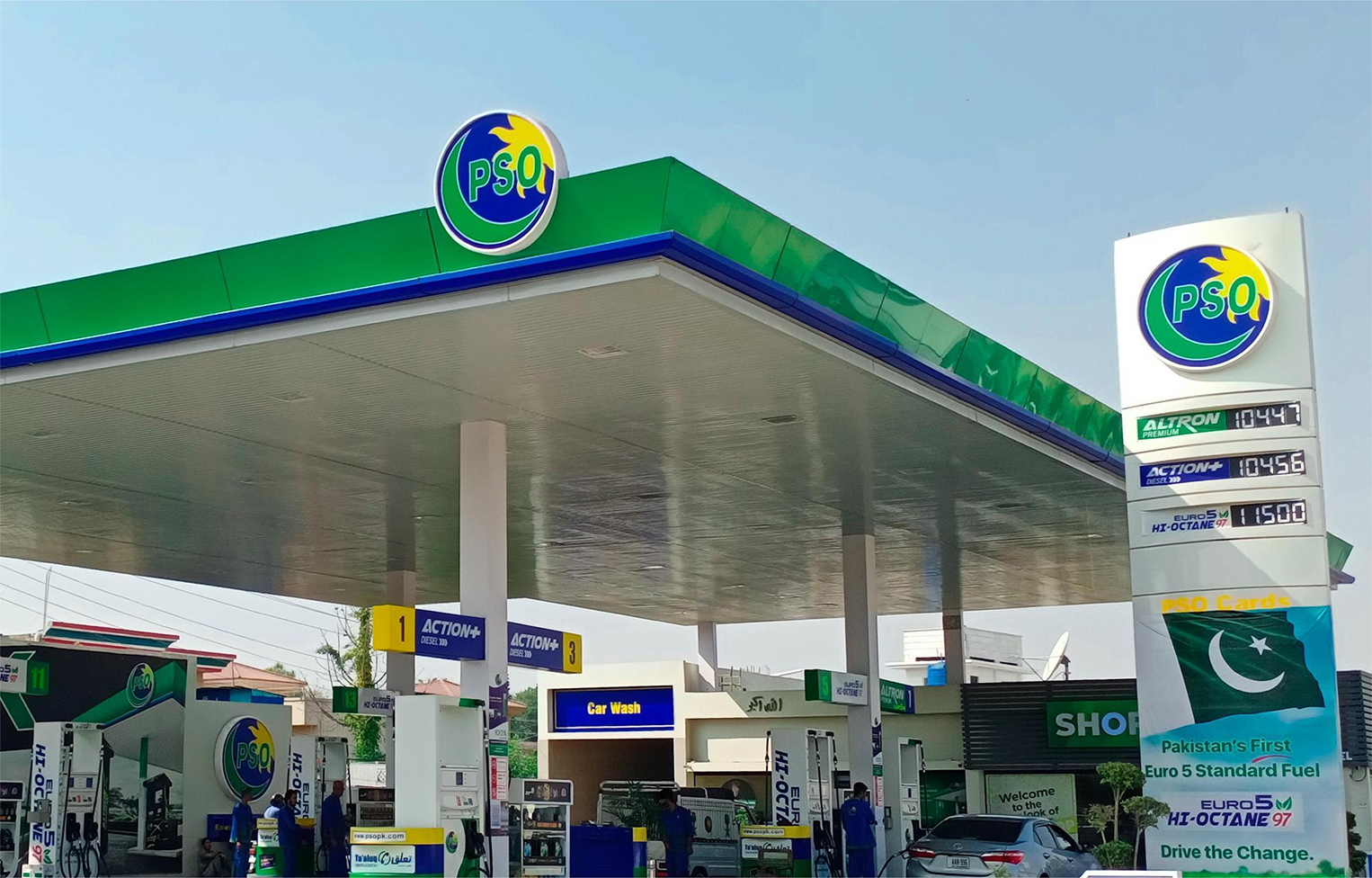
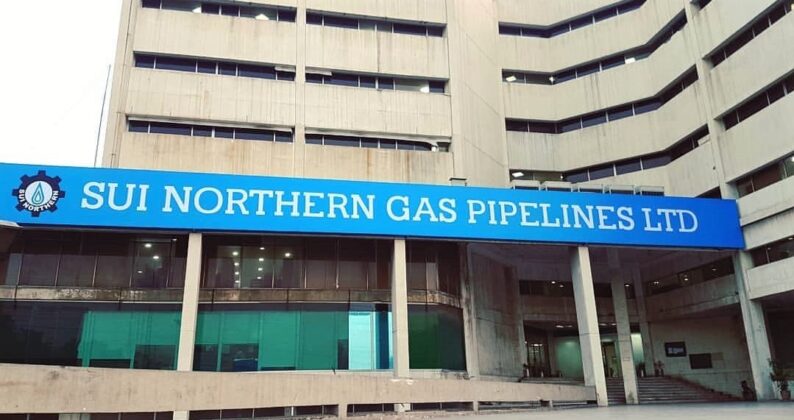
The companies likely to benefit include Sui Northern Gas Pipelines Limited, Sui Southern Gas Company Limited, Pakistan State Oil Company Limited, Oil and Gas Development Company Limited, Pakistan Petroleum Limited and Government Holding Private Limited.
Officials said implementation of IFRS 9 and IFRS 14 without first settling circular debt could require these companies to book expected credit losses of around Rs400 billion to Rs500 billion, weakening their equity and market capitalisation.
The gas sector circular debt has crossed Rs3.4 trillion, including Rs1.8 trillion in principal amounts. The government plans to settle around Rs1.5 trillion, but the plan has not yet been cleared by the IMF.
The lender has asked the government to issue bonds instead of raising Rs850 billion through dividends from Oil and Gas Development Company Limited, Pakistan Petroleum Limited and Government Holding Private Limited.
Minister for Petroleum Ali Pervaiz Malik said the receivables were due from the Sui companies and the government had assured that these dues would be cleared in due course. He said this was why exemption from IFRS applicability had been sought.
The Petroleum Division had earlier moved a summary to the Cabinet Committee on State-Owned Enterprises seeking exemption from IFRS 9 and IFRS 14 for Sui Northern Gas Pipelines Limited and Sui Southern Gas Company Limited for five years, until reforms under the Gas Sector Circular Debt Management Plan take effect.
The cabinet body then formed a committee comprising the secretaries of Petroleum, Finance and Law, along with the Securities and Exchange Commission of Pakistan chairman, to submit recommendations.
The special committee has supported the exemption, arguing that circular debt is a chronic problem and will take time to resolve. It said the federal government could direct the Securities and Exchange Commission of Pakistan to grant exemptions on a case-by-case basis.
The committee also recommended that companies holding financial assets due from the government should continue to benefit from the existing deferral from the Expected Credit Loss Model under IFRS 9.
However, the Central Monitoring Unit of the Ministry of Finance has opposed the proposal, saying exemptions from IFRS 9 and IFRS 14 are not consistent with the reform direction under the SOEs Act, 2023.
The CMU warned that the exemption would compromise transparency and hide fiscal risks on the balance sheets of state-owned enterprises.
It said proper application of IFRS 14 and related regulatory accounting principles was essential for SNGPL and SSGCL because deferral account balances, tariff differentials and recoverable amounts should be clearly identified.
Director General CMU Majid Soofi has stated that full or partial exemption should normally not be allowed except on grounds of national security, defence or where an SOE is part of the privatisation programme.
The CMU said the possibility of Rs400 billion to Rs500 billion in impairment and provisioning was not a valid reason to delay IFRS implementation for five years.
It recommended that affected SOEs should assess and disclose IFRS-related impacts in notes to their financial statements instead of receiving blanket relief. If any exemption is granted, the CMU said it should not exceed two years, with financial statements prepared in line with IFRS requirements during the period.

Our monitoring team diligently searches the vast expanse of the web to carefully handpick and distill top-tier business and economic news stories and articles, presenting them to you in a concise and informative manner.
View all articles →Comments
No comments yet. Be the first to join the discussion!