US imposes 25% tariffs on Brazilian goods, keeps exemptions for beef, coffee and aircraft
Duties on furniture, ethanol, machinery, footwear and sugar take effect on July 22, while Brazil prepares action under its Reciprocity Law and the WTO
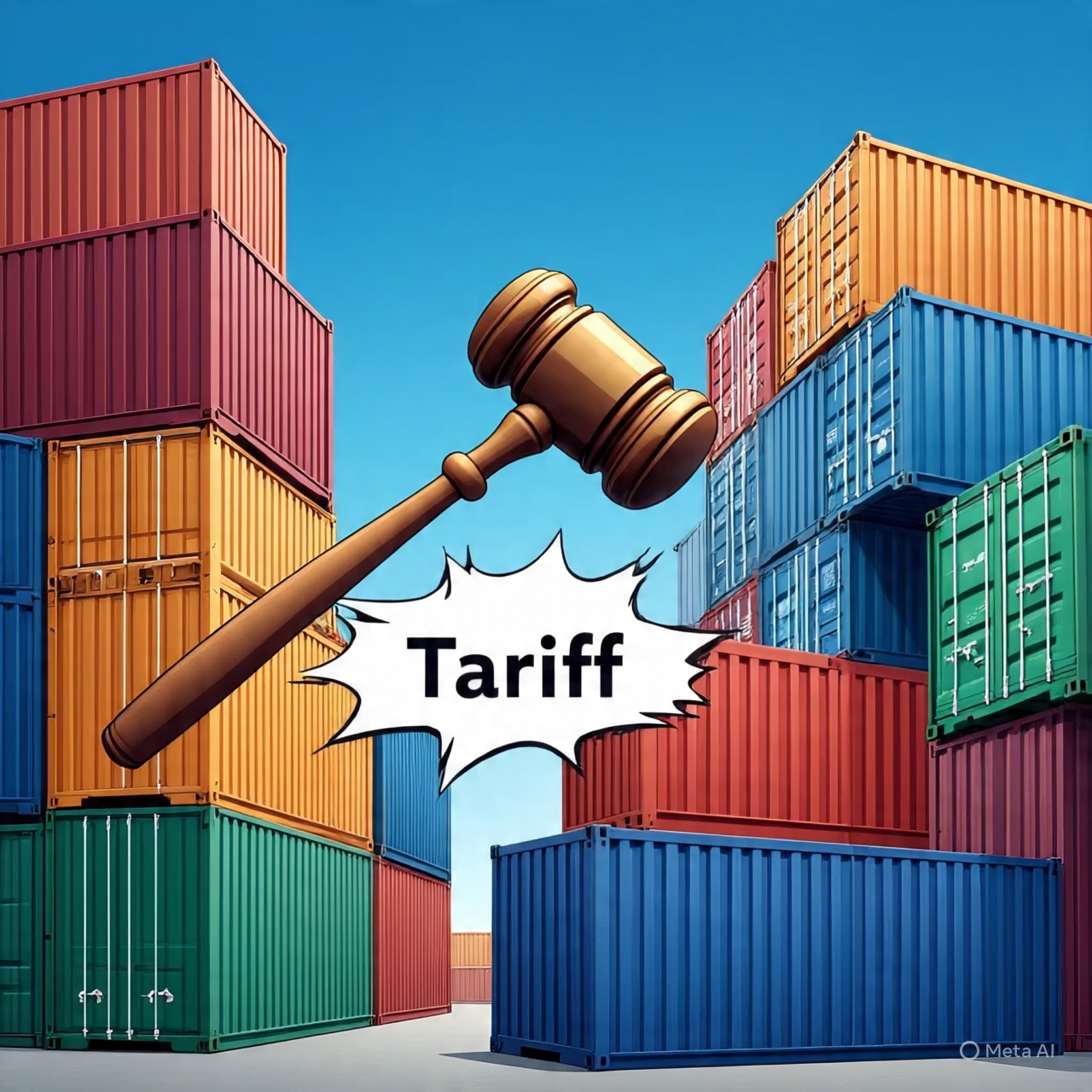
The United States will impose a 25% tariff on a broad range of Brazilian products from July 22, targeting goods including furniture, ethanol, machinery, footwear, sugar, apparel, paper and electrical equipment.
The measure, announced by US Trade Representative Jamieson Greer, is the first action under President Donald Trump’s revised tariff strategy based on Section 301 of the Trade Act of 1974.
The new approach follows a February ruling by the US Supreme Court that struck down Trump’s earlier global tariffs imposed under emergency legislation, including duties of up to 50% on Brazilian products.
The latest order retains exemptions for Brazilian beef, coffee, rare earths, energy products, aircraft and aircraft parts. It also adds pig iron, steel scrap used by electric-arc furnace producers, unflavoured instant coffee and organic honey to the exemption list.
Goods already covered by US Section 232 tariffs, including steel, aluminium, copper and automobiles, will not be subject to the new 25% levy.
The American Chamber of Commerce for Brazil said the revised exemptions were 25% broader than initially proposed and covered around $11 billion in annual trade, although this was $2 billion less than expected.
Brazil’s Trade Minister Marcio Elias Rosa said about 18% of the country’s exports to the United States, worth nearly $7 billion, would be affected. Timber, machinery, furniture and footwear are expected to be among the sectors facing the greatest impact.
Greer said negotiations over the past year had failed to address US concerns but added that Washington remained open to further talks.
The United States opened its Section 301 investigation into Brazil in July 2025, citing alleged unfair practices involving digital trade, illegal deforestation and Brazil’s Pix instant payment system, which Washington says disadvantages US credit card companies. Brazil has rejected the allegations.
Brazilian President Luiz Inacio Lula da Silva said the tariffs lacked justification and announced that his government would begin proceedings under the country’s Reciprocity Law. He also said Brazil would pursue the matter through the World Trade Organisation’s dispute settlement system.
US Secretary of State Marco Rubio accused Lula’s government of failing to negotiate in good faith and said the tariffs were the consequence of that approach.
Brazil’s Foreign Affairs Minister Mauro Vieira described Rubio’s remarks as unacceptable and offensive, while reiterating Brazil’s willingness to continue negotiations.
The tariffs are due to take effect two days before the temporary 10% US global tariff expires. Similar Section 301 investigations could eventually affect other major trading partners, including India, China, Japan, South Korea and the European Union.
Brazil is also part of a separate Section 301 investigation into alleged forced labour links in international supply chains. That inquiry is expected to conclude on July 24 and could result in an additional 12.5% tariff, taking the total burden on affected Brazilian goods to 37.5%.
Comments
No comments yet. Be the first to join the discussion!