Pakistan’s food import bill rises 12% to $9.15 billion as exports fall 29%
Sugar and edible oil purchases drive imports higher, while raw food exports decline to $5.02 billion in FY2025-26.


Pakistan’s food import bill increased 11.66% to $9.150 billion in FY2025-26 from $8.195 billion a year earlier, mainly due to higher purchases of sugar and edible oil, official data showed.
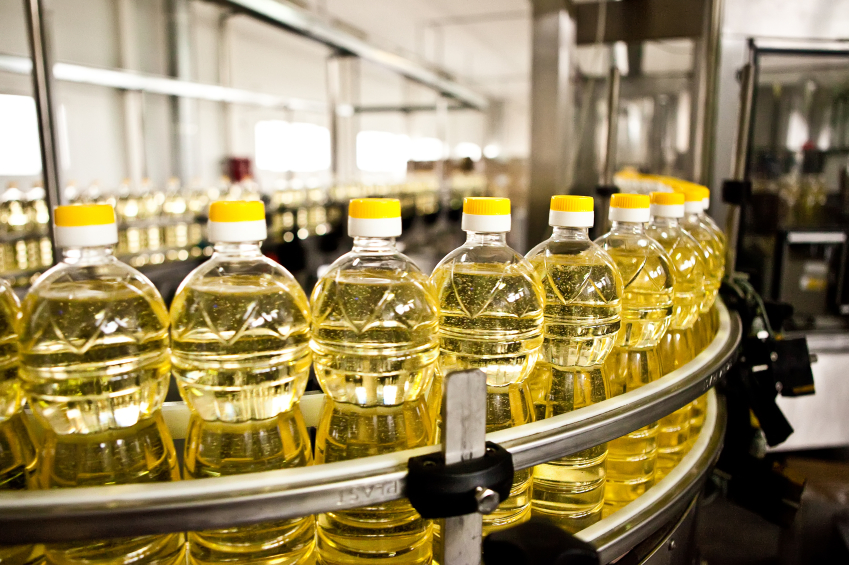
Palm oil accounted for the largest share of the food bill, followed by pulses, tea, soybean oil and sugar. Palm oil imports rose 11.54% to $3.785 billion from $3.395 billion. Import volumes increased 8.36% to 3.482 million tonnes from 3.214 million tonnes.
Soybean oil imports fell 68.41% to $108.683 million from $344.028 million.
Pakistan imported 309,545 tonnes of sugar during FY2025-26, up 8,716.43% from 3,508 tonnes a year earlier.
In value terms, sugar imports increased 4,893.80% to $175.182 million from $3.508 million after the government allowed large-scale imports to address domestic shortages and contain prices.
Pulses imports, however, declined 18.13% to $832.038 million from $1.016 billion.
The import bill for other food products increased 31.62% to $3.011 billion from $2.288 billion, while tea imports rose 4.23% to $664.601 million from $637.618 million.
At the same time, exports of raw food products fell 29.49% to $5.017 billion from $7.116 billion in FY2024-25, widening the gap between food imports and exports.
The decline in exports was broad-based, with lower shipments across most major categories. Trade in fruits and vegetables was also affected by the suspension of bilateral trade with Afghanistan in October 2025.
Rice exports fell 31% to $2.291 billion from $3.353 billion in the previous fiscal year.
Basmati rice exports rose 1.5% in value to $843.002 million from $830.570 million, although volumes declined 1.66% year-on-year.
The fall was concentrated in non-basmati rice, where export earnings dropped 42.57% to $1.448 billion from $2.522 billion. Export volumes declined 30.18%.
The Ministry of Commerce has extended the subsidy scheme for rice exports by three months until September 30 and raised the Duty Drawback of Local Taxes and Levies rate for non-basmati rice to support exporters facing weaker international demand.
Among other products, meat exports increased 7.10% during the year, while fish exports rose 3.57%.
Vegetable exports recorded the steepest decline, falling 55.72%, while fruit exports slipped 0.02%. Tobacco exports decreased 14.41% and spice exports fell 8.77%.
Comments
No comments yet. Be the first to join the discussion!