US employers resume hiring as AI's job-replacing power hits limits
CSX, Alphabet and Booz Allen Hamilton among firms adding staff; jobless claims hit lowest level since 1969

Major US companies are reversing months of hiring restraint and moving to add staff again, as executives across industries from technology to defense say they need more people to work alongside artificial intelligence rather than instead of it, the Wall Street Journal reported.
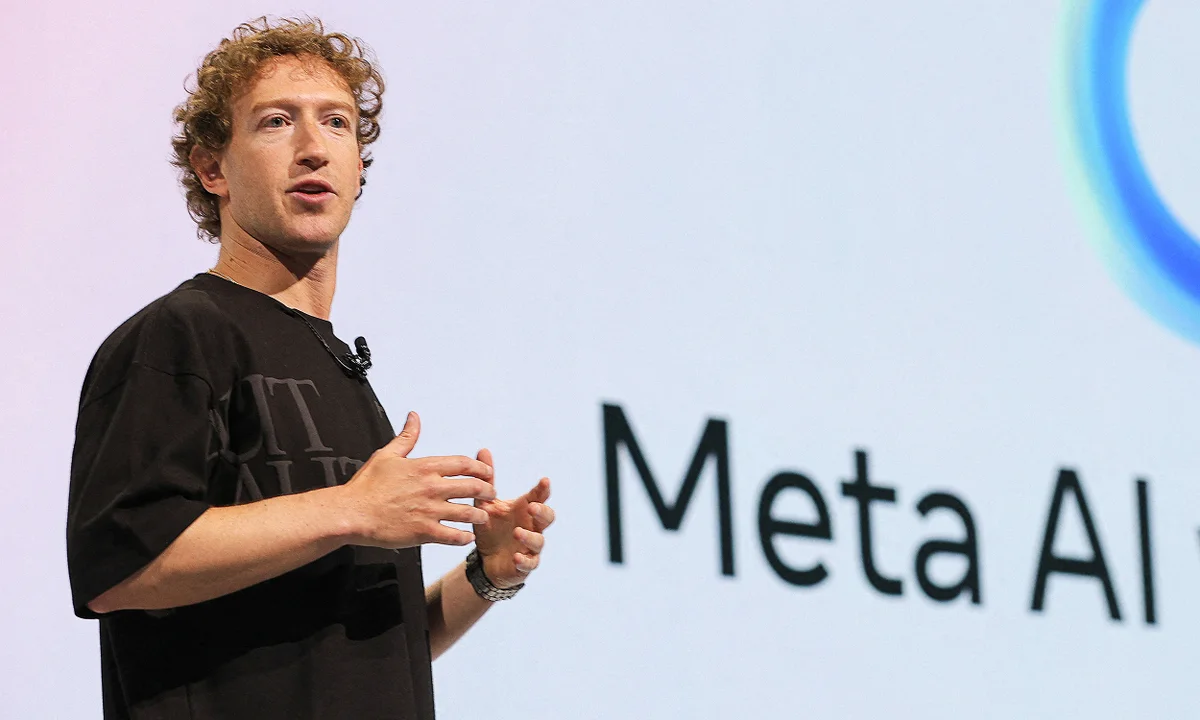
Companies including railroad giant CSX and Google parent Alphabet have told investors in recent days that they plan to hire to meet growth targets or capitalize on emerging technologies, marking a shift from the messaging that dominated much of the AI era.
For roughly 18 months, major employers had held back on hiring, citing economic uncertainty or the belief that AI could take on more of the workload. Some executives now say the costs and limits of AI make additional hiring necessary, while others are looking to rehire staff let go in earlier layoffs.
"We actually need to accelerate hiring a bit. We're a little bit behind right now," Booz Allen Hamilton's Chief Operating Officer Kristine Martin Anderson told investors on Friday. "We're addressing that now."
The government contractor cut thousands of jobs last year after the Trump administration slashed federal contracts and pushed firms to justify their costs, leaving its total headcount at roughly 30,900 as of June 30, down 7.5% from a year earlier. The company now says it is seeing strong demand for its services, particularly in national security roles requiring security clearances.
Layoffs across the broader economy are also shrinking. The most recent week of US jobless claims was the lowest on record since 1969, according to federal data.
Sarah Franklin, CEO of human-resources platform Lattice, said the shift also reflects companies recalibrating their expectations of what AI can actually do. Many firms had stopped hiring entry-level employees, betting that AI agents could fill the gap, but have since found that human workers remain necessary alongside the technology.
"Just because you have coding agents doesn't mean you're not hiring engineers," Franklin said, adding that companies using AI sales agents still need human salespeople. She said many of Lattice's clients are now hiring again, particularly for junior roles. "There's a big thirst for that," she said. "What you have now is a realization that you need the AI-native skills. You need this [entry-level] workforce, which is innovative, not calcified in thought. They're also more affordable because they are newer to the workforce."
The hiring rebound extends beyond white-collar jobs. Tool maker Snap-on said it plans to add employees to expand its business, while CSX said its train and engine service headcount will "increase modestly" in the coming months to meet rising demand, even as it uses technology to offset attrition elsewhere in the company. CSX noted its overall headcount remains lower than a year ago.
Few companies are signaling major hiring sprees, and most are targeting specific types of roles. Alphabet Chief Financial Officer Anat Ashkenazi said the company expects to keep hiring in priority areas such as AI and cloud computing, while software firm ServiceNow said it wants to add more "quota-bearing feet-on-the-street sales execs" to capture growth in areas like cybersecurity.
M. Keith Waddell, CEO of staffing firm Robert Half, said AI's impact on the job market is proving "more benign than some have feared," noting that some of the firm's clients across tech and financial services are recruiting again. "Hiring demand continues to improve and market conditions are increasingly more supportive of our business," he said.
Still, some experts caution that AI's long-term effect on employment remains uncertain. "Do we need more people? Do we need less people?" asked Paul Osterman, professor emeritus at MIT and author of "Disposable Workers," a new book on the transformation of employment. "We have no idea. No one has any idea."
Osterman said many companies have treated employees as dispensable in recent years, cutting them when convenient or shifting them into contractor or part-time roles, a trend he expects to continue amid the current uncertainty. "AI introduces so much uncertainty with employers, not sure knowing what they need or don't need," he said, adding that predictions about AI's power to displace workers and cut costs for shareholders will keep circulating. "Who's going to be the victim of all that noise?"

Our monitoring team diligently searches the vast expanse of the web to carefully handpick and distill top-tier business and economic news stories and articles, presenting them to you in a concise and informative manner.
View all articles →Comments
No comments yet. Be the first to join the discussion!