Red Sea ship traffic slows after Houthi strikes on Saudi Arabia
Only 11 vessels crossed Bab el-Mandeb Sunday, lowest in months; Hormuz transits also stay thin despite US-Iran pause

SINGAPORE: Ship traffic through the Bab el-Mandeb strait dropped to its lowest level in months on Sunday, a day after Yemeni Houthi forces attacked Saudi oil installations along the Red Sea coast, while crossings through the Strait of Hormuz also remained thin over the weekend, according to shipping data from Kpler released Monday.
Just 11 commodity vessels passed through Bab el-Mandeb on Sunday. Red Sea traffic has been disrupted off Yemen's coast since last week, as the Tehran-aligned Houthis push to blockade Saudi exports, widening the US-Iran conflict that has already restricted oil flows through Hormuz.
The disruption pushed physical crude prices in the Middle East, Europe and Africa to two-month highs last week.
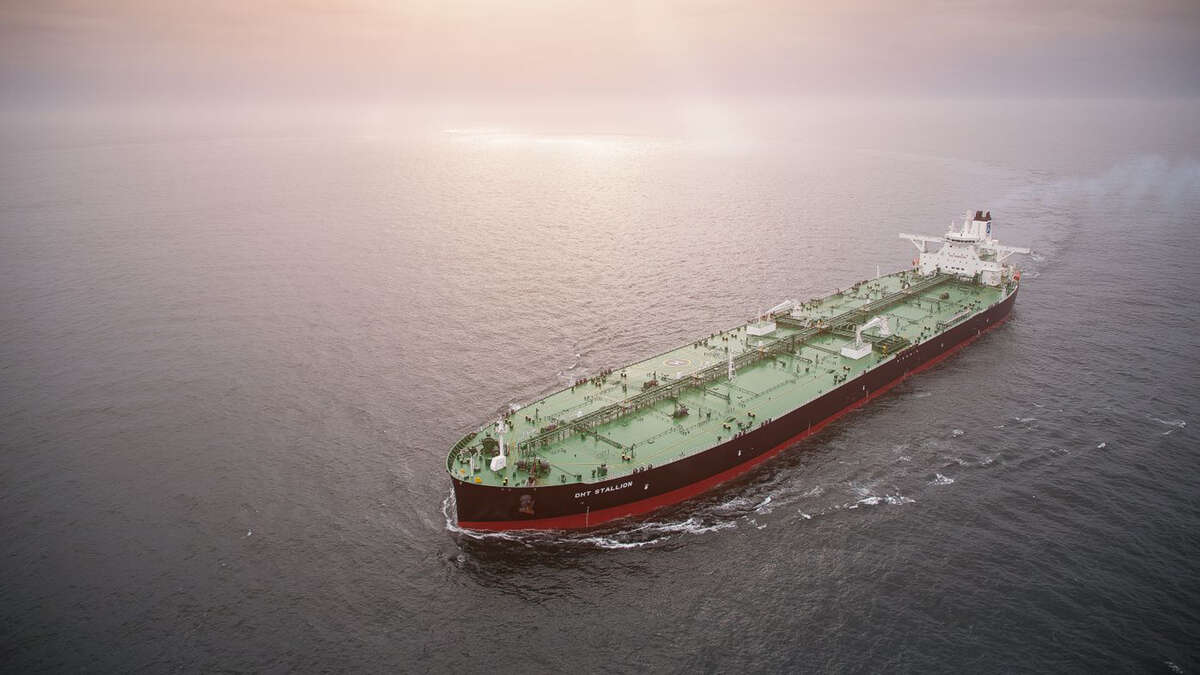
Of the vessels that crossed Bab el-Mandeb on Sunday, seven were oil tankers, with three entering the Red Sea. Two of these were very large crude carriers (VLCCs) heading to Yanbu port to load Saudi crude, while the third was a Russian-linked vessel.
Four tankers exited the Red Sea the same day. Among them was the Hong Kong-flagged VLCC New Explorer, carrying 2 million barrels of Saudi and Emirati crude bound for Ningbo in eastern China, along with a tanker carrying 1 million barrels of Russian crude for China and another with roughly 750,000 barrels of Saudi crude destined for Pakistan.
A second Hong Kong-flagged VLCC, New Pearl, is also exiting the Red Sea via Bab el-Mandeb carrying 2 million barrels of Saudi crude for Zhoushan port in eastern China — the fourth Chinese supertanker to leave the region since the Houthis declared their naval blockade. Associated Maritime Hong Kong, which manages both New Explorer and New Pearl, did not immediately respond to a request for comment outside office hours.
Houthi military spokesperson Yahya Saree said the group struck sites belonging to Saudi state oil company Aramco in the cities of Jizan and Yanbu on Saturday.
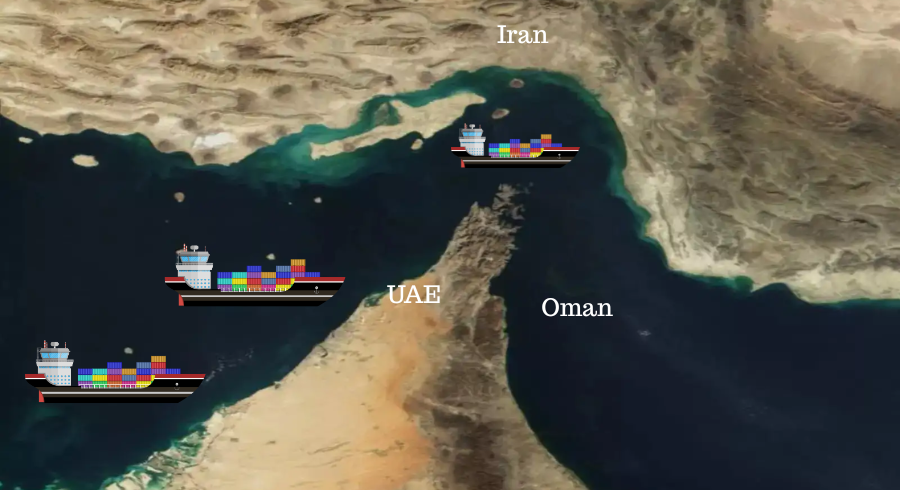
At the Strait of Hormuz, fewer than 10 commodity vessels passed daily over the weekend, even as the US and Iran have paused strikes in the region, according to the Kpler data. Seven vessels transited on Sunday, including three Iranian-linked oil products tankers exiting the strait.
On Saturday, only three vessels passed through with their transponders switched off — a VLCC heading to Qatar to load oil, a liquefied petroleum gas tanker bound for Ruwais port in the UAE, and a tanker carrying Qatari naphtha for Japan.
On Friday, seven vessels passed, mostly exiting the Gulf, including two VLCCs carrying crude from Iraq and the UAE and a tanker carrying fuel oil.

Reuters is a British news agency wholly owned by Thomson Reuters, a multinational information conglomerate. Its journalists operate across 200 locations in 165 countries and write in 16 languages, making it one of the largest news agencies in the world.
View all articles →Comments
No comments yet. Be the first to join the discussion!