Houthis declare naval blockade on Saudi Arabia, threatening key oil route
Saudi-led coalition vows forceful response as Bab el-Mandeb disruption could affect 7% of global oil supply amid expanding US-Iran conflict.


DUBAI/RIYADH: Yemen’s Iran-aligned Houthis announced an immediate naval blockade on Saudi Arabia on Monday, raising the risk of a new front in the US-Iran war and further disruption to global energy supplies and trade.
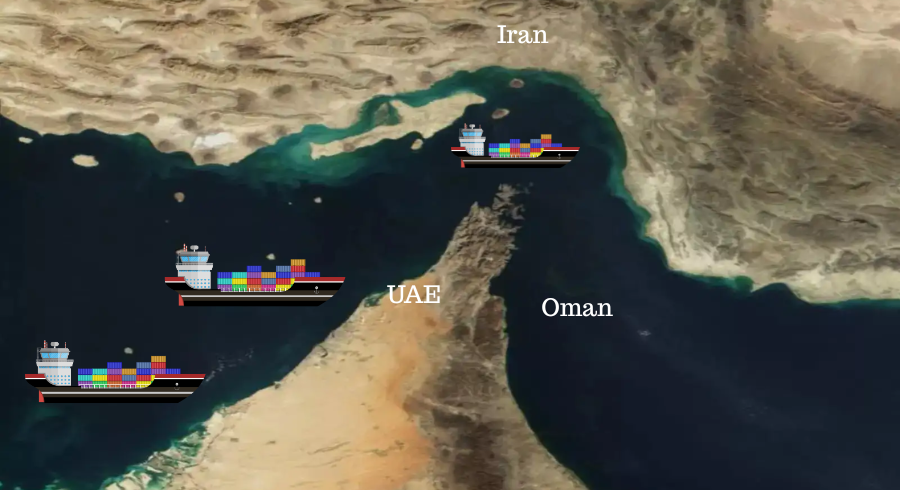
The Saudi-led coalition in Yemen said it would respond with force and had begun protecting vessels passing through the Bab el-Mandeb Strait, a major route for Saudi oil exports following the effective closure of the Strait of Hormuz.
A full closure of Bab el-Mandeb could disrupt around 7% of global oil supply by preventing most Saudi exports from leaving the region. The Gulf conflict has already reduced oil shipments by an estimated 10% of global supply.
The Houthis said they were imposing a “maritime embargo” in response to what they described as a Saudi siege of Yemen. The announcement followed reports that Iran had urged the group to close Bab el-Mandeb if US attacks on Iranian power infrastructure continued.
Oil prices briefly rose following the announcement before retreating on hopes of renewed diplomacy. Insurance costs for shipping through the Red Sea increased as risks to merchant vessels grew.
The escalation came after one of the deadliest periods of the conflict for US forces. The Pentagon identified two soldiers killed in an Iranian attack on an American base in Jordan on Friday, while unidentified remains may belong to a third service member listed as missing.
A fourth US service member was killed in northern Iraq during the controlled detonation of unexploded ordnance from a downed Iranian one-way attack drone.
Despite the escalation, Iran and the United States appeared to be exploring diplomatic options. Iran’s Foreign Ministry said mediators had presented proposals to Tehran but provided no details.
A senior Iranian official said Iran had received a proposal for a 10-day ceasefire aimed at reviving an interim agreement and paving the way for a broader settlement to the war, which began with US-Israeli attacks on Iran on February 28.
Two Pakistani government sources said Iranian Interior Minister Eskandar Momeni had asked Pakistan to resume its mediation role. He later arrived in Islamabad for talks.
Meanwhile, US Central Command said it had launched another round of strikes on Iran after explosions were reported in Tabriz, Chabahar, Konarak, Bandar Mahshahr and Bandar Imam Khomeini.
Iranian state news agency IRNA reported that one person was killed and several others were wounded southwest of Tabriz.
US President Donald Trump defended the strikes, saying Iran would face a stronger response for every American soldier killed.
The Islamic Revolutionary Guard Corps also said two oil tankers exploded after attempting to cross the Strait of Hormuz through an unsafe route. It did not identify the vessels or provide information on casualties, and the claim could not be independently verified.
Separately, the United Kingdom Maritime Trade Operations agency reported that an unidentified projectile struck a vessel off Oman’s coast near the Strait of Hormuz.
The IRGC also claimed missile attacks on US aircraft at Jordan’s Aqaba airport, military assets at Kuwait’s Al-Adiri camp and Ali Al Salem Air Base, and positions in Syria. Sirens sounded across Bahrain, while Kuwait’s military said its air defences were intercepting Iranian drones early on Tuesday.
Comments
No comments yet. Be the first to join the discussion!