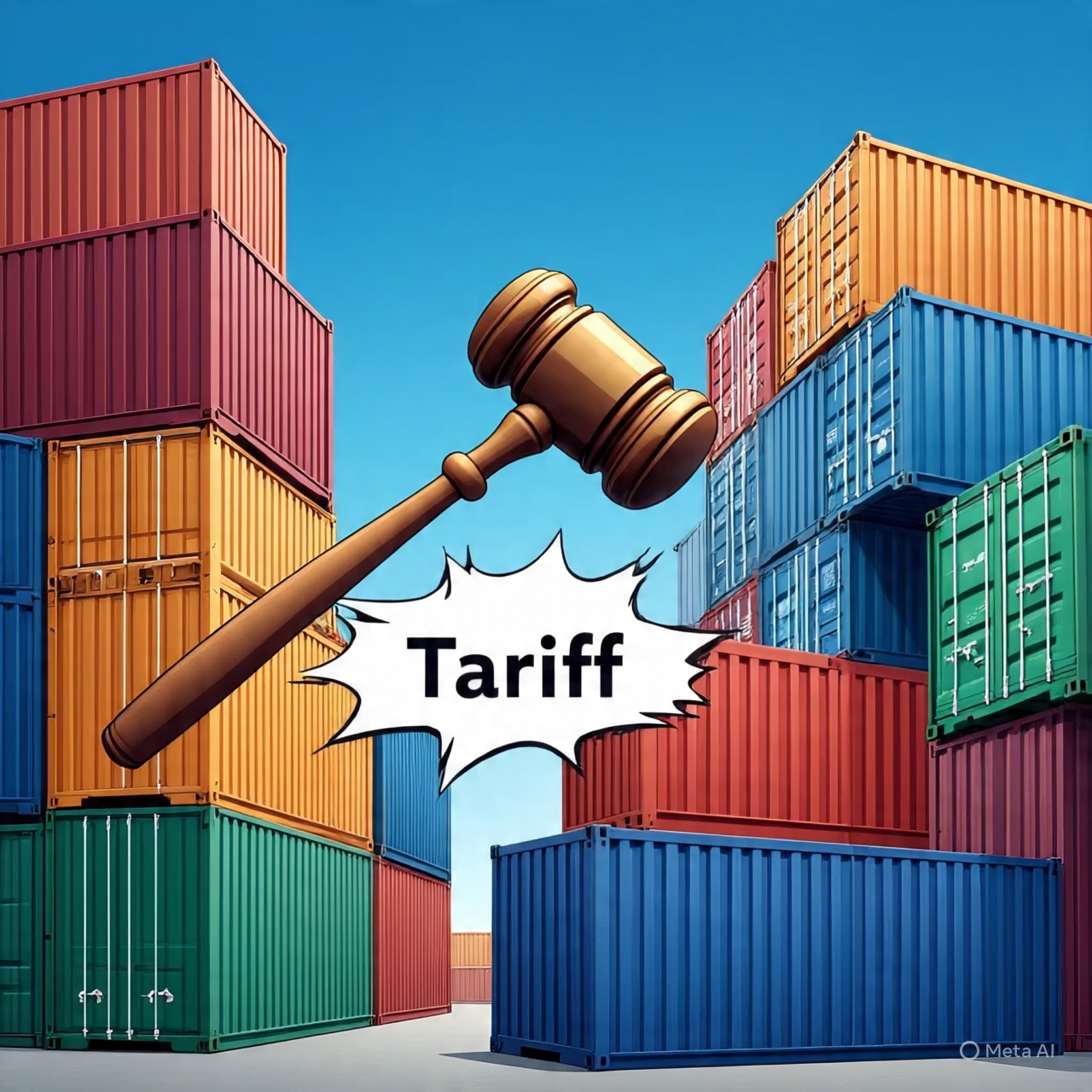
US imposes 50% tariffs on $20 billion of Canadian imports
New duties target wine, dairy, cement and consumer goods under rarely used 1930 trade law, taking effect on August 19


US President Donald Trump has imposed 50% tariffs on nearly $20 billion worth of Canadian imports, accusing Canada of discriminating against American-made cars, alcohol and dairy products and opening a new front in the global trade dispute.
The tariffs, which will take effect on August 19, cover about $20 billion of Canadian exports to the United States, or roughly 5.2% of the $382 billion in goods imported from Canada in 2025, according to the US Census Bureau.
The measures target a wide range of products, including wine, dairy products, cement, hockey sticks, swimming pools, furniture, fishing rods, seeds, clothing and wigs.
Trump invoked Section 338 of the US Tariff Act of 1930, marking the first known use of the provision since it became law nearly a century ago. The section allows the president to impose tariffs of up to 50% on countries deemed to have discriminated against US goods.
The White House said Canada maintains protectionist policies, including its dairy supply management system and tariffs and quotas on US-made vehicles that do not apply to imports from other countries.
It also cited decisions by most Canadian provinces to halt sales of US alcoholic beverages in response to earlier American tariffs.
According to the White House, Canadian imports of US motor vehicles fell 22% over the past year, while imports of US alcoholic beverages declined 81%.
US Trade Representative Jamieson Greer said Canada continued to retaliate against US efforts to rebalance trade and protect domestic industries despite Washington's push for reciprocal trade agreements.
Canadian Prime Minister Mark Carney said his government had submitted comprehensive proposals to resolve the trade dispute and argued that previous US tariffs violated the US-Mexico-Canada Agreement (USMCA).
"This trade dispute has raised costs for families, particularly in the US," Carney said, adding that Canada remained ready to engage with Washington to resolve outstanding issues.
The new tariffs will apply regardless of whether goods qualify for exemptions under the USMCA, although the Trump administration exempted energy products, potash, fish, critical minerals and products already subject to Section 232 tariffs.
The latest measures come as Washington continues negotiations with Mexico over proposed changes to the USMCA, while Canada remains outside the current round of bilateral talks.
Trade experts said the move marks a significant departure from long-standing international trade principles. John Veroneau, a former US trade official, said no previous US president had used Section 338, although some had considered it.
He said the tariffs may be legally permissible but argued they run counter to the original intent of the law, which was designed to promote equal tariff treatment among trading partners rather than retaliatory trade measures.
Comments
No comments yet. Be the first to join the discussion!