FBR assures steel sector on refund clearance, digital compliance ease
PALSP proposes Rs35/kwh sales tax for non-compliant units, Rs5/kwh for compliant ones; FBR to review levy after six months
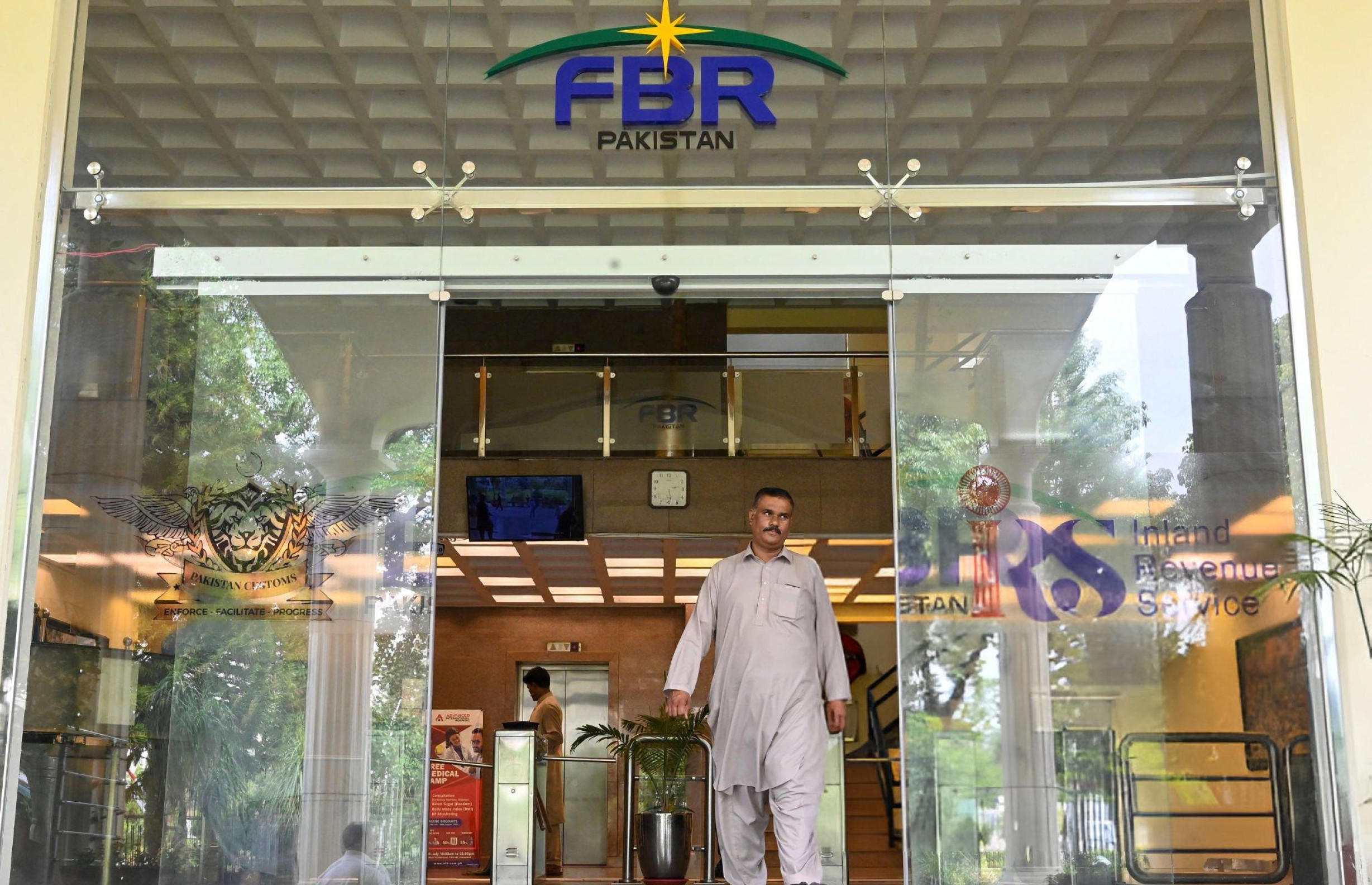
The Federal Board of Revenue (FBR) has assured the documented steel sector that outstanding refund payments will be cleared and procedural bottlenecks removed for digitally compliant steel units across the country, Business Recorder reported.
FBR officials met with representatives of the steel sector as part of a consultative process launched with the Pakistan Association of Large Steel Producers (PALSP) to finalise the sales tax rate to be charged through power units and clarify related matters.
Industry representatives told tax authorities that the steel sector is currently passing through a challenging period, and that delays in income tax refunds are straining working capital, hurting cash flows, and pushing manufacturers toward financial distress. They said this needs to change, particularly as the current FBR leadership is taking notable steps toward reform.
The meeting was attended by PALSP Chairman Javaid Iqbal Malik and CEO/Secretary General Syed Wajid I. Bukhari, along with other officials and industry representatives.
The industry proposed a sales tax rate of Rs35 per kwh for non-compliant units, adjustable under Section 8B of the Sales Tax Act, and Rs5 per kwh for compliant units, also adjustable under the same provision.
It also proposed a definition for "compliant units" — those with at least 70% imported scrap content and 100% digital compliance. Under the proposal, the FBR would issue a list of compliant units based on the last 12 months of import data, with the industry suggesting this list be updated monthly.
A senior FBR member noted that some steel players had been submitting incorrect inputs for items unrelated to steel making, and said the FBR is blocking inputs for all such items.
Officials also said meter readings have begun across seven captive units, with meters to be installed by the FBR wherever missing. Hamid Ateeq directed the Chief of Operations, FBR, to take necessary action on this front.
The meeting concluded with a directive for the FBR to monitor the outcome of the sales tax levy through power units for six months, after which rate adjustments could be made if needed. The entire initiative is to be reviewed after one year to determine whether it should continue.

Our monitoring team diligently searches the vast expanse of the web to carefully handpick and distill top-tier business and economic news stories and articles, presenting them to you in a concise and informative manner.
View all articles →Comments
No comments yet. Be the first to join the discussion!