The arbitrage loop from hell
The landa bazaar is big business. Some new players might throw you for a loop
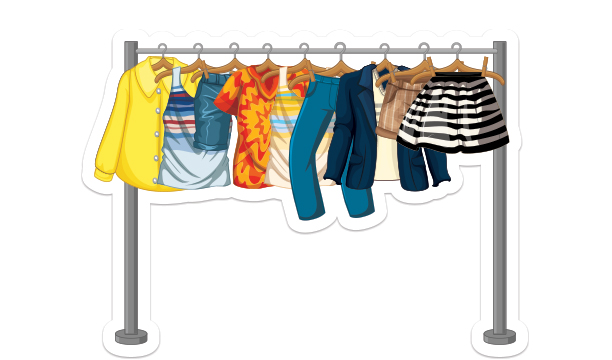
The first thing you notice when you walk into landa bazaar is the smell. It isn’t exactly pungent, but it is unique and very strong. It smells almost like diesel, but with a hint of hospital and pesticide mixed into it. It is as strange and confusing for newcomers as it is familiar for veterans of the many flea-markets and thrift stores dotted all over major urban centres across Pakistan.
The smell comes from fumigation. Nearly all of the clothes in these markets from t-shirts to trousers, jeans, entire three-piece suits, high-end shoes, dresses, skirts, and even lingerie are hand-me-downs imported from developed countries. Some of the biggest sources for these items are the United States, England, Australia, Japan, and South Korea. When the massive containers holding them are shipped out, they are first fumigated before they make the long journey to Pakistan. The smell stays until the clothes hit the thrift markets and doesn’t go away until customers take them home and put them in the wash.
In terms of sheer volume and money it is big business. In the financial year 2024-25, Pakistan imported 1.137 million tonnes of used clothes spending $511 million. What makes these numbers especially relevant is that they are going up. In 2023-24 the imports of used clothes were valued at 990,266 tonnes at $434 million. That marks an increase in imports of 15% in terms of volume and nearly 17% in terms of value. The price of these imports has remained nearly stagnant. The per kilogram cost of the imports was $0.43 in 2024-25 and was $0.44 the year before that.
The increase in imports comes at a time when lower income households in Pakistan are struggling. While the inflationary tsunami of 2019-23 has slowly subsided and the inflation rate is at its lowest point since the beginning of this period, the damage from those years has hit households hard. A recent report by the World Bank pointed out that nearly 45% of the population lives below the poverty line. Most of these households can be found in rural areas, but urban life has also been deeply affected. People's savings have been eroded. The cost of living has increased dramatically. According to Profit’s estimate made using data from the Pakistan Bureau of Statistics, the prices of core necessities increased by 160% between 2019 and 2024. With prices rising this fast, it is only natural that demand for cheap second hand clothing is increasing.
But the mood inside these markets is dour. The increased volume of business comes with its own caveats. Customers complain of rising prices while shopkeepers claim they need higher margins to survive rising inflation. Then there is another long shadow that looms high and dark over the landa bazaar: instagram. For at least the past six years, countless accounts have appeared on Instagram and Facebook selling thrifted clothes. These accounts, run mostly by enterprising young women, pick hot-ticket items from thrift markets which they then sell online.
Subscribe to Continue Reading
The rest of this article is available exclusively to subscribers.
Abdullah Niazi is senior editor at Profit. He can be reached at [email protected]
View all articles →Comments
No comments yet. Be the first to join the discussion!