January 20, 2026
Pakistan, Indonesia discuss revival of rice cooperation framework to boost trade ties
Pakistan raises concerns over delays in import quotas and the increase in food and agricultural testing requirements for kinnow exports to Indonesia, citing added costs and delays

January 20, 2026

On the instructions of Prime Minister Shehbaz Sharif, Federal Minister for Commerce Jam Kamal Khan held a detailed meeting with Indonesian Ambassador to Pakistan, Chandra Warsenanto Sukotjo, to strengthen bilateral trade, investment, and sector-specific cooperation between the two nations, especially the revival of the rice cooperation framework that expired in 2019.
During the meeting, Minister Khan outlined Pakistan’s evolving trade strategy, particularly focusing on rice exports, a key priority for the government. He highlighted that Pakistan remains one of the world’s top rice exporters but is facing challenges due to increased global price competition. Khan assured that the government is working on improving price competitiveness while maintaining high quality to sustain and grow Pakistan’s market share.
Khan proposed re-engaging with key partner countries, including Indonesia, through both open-market and government-to-government (G2G) frameworks. He emphasised that price, reliability, and quality are central to fostering strong trade ties.
The conversation also focused on reviving the Pakistan–Indonesia rice cooperation framework, which had been initially established under a Memorandum of Understanding (MoU) in 2015. This MoU, which allowed for up to one million metric tons of rice procurement annually, expired in 2019. Pakistan has shared a revised draft with Indonesia and hopes to finalize it soon for long-term cooperation in rice trade.
The discussion also touched on issues related to Pakistan’s agricultural exports, particularly kinnow. Minister Khan raised concerns about delays in the issuance of import quotas by Indonesia, which could impact the timely export of kinnow. Additionally, the increase in food and agricultural testing requirements, from eight to twenty-four tests, was flagged as a challenge due to its added costs and processing delays. Pakistan’s Department of Plant Protection is already in contact with Indonesian authorities to resolve these concerns.
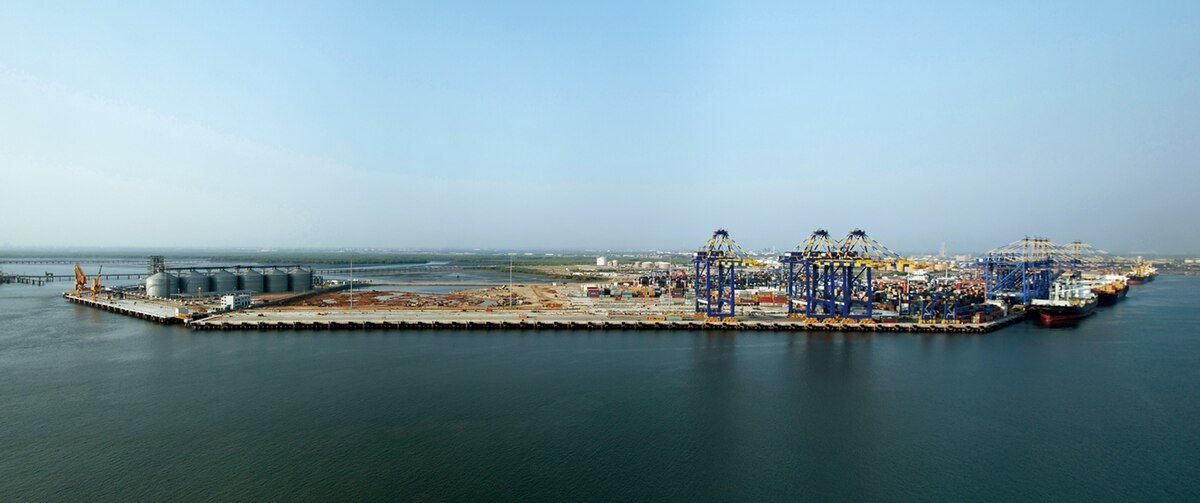
Beyond agriculture, both sides explored other potential areas for collaboration, including palm oil storage and processing. Minister Khan invited Indonesian investors to consider Pakistan as a regional hub for palm oil distribution to markets in Africa, the Middle East, and Central Asia. He also highlighted the strategic location of Pakistan, its expanding port and logistics infrastructure, and its growing connectivity as key factors for future investment.
The meeting also discussed energy, biodiesel, minerals, and infrastructure opportunities, particularly under Pakistan's Special Economic Zones and in connection with CPEC-linked projects. Khan emphasised Pakistan’s readiness to support Indonesian investment with favorable policies, connectivity, and market access.
Ambassador Sukotjo welcomed Pakistan’s proposals and assured that the issues raised, particularly on rice cooperation, agricultural market access, and trade facilitation, would be conveyed to Jakarta. He noted Indonesia’s interest in enhancing food security, diversifying sourcing, and achieving competitive pricing.
Both sides agreed to intensify institutional engagement, including the early convening of the Joint Trade and Development Committee and other trade forums. They reaffirmed their commitment to converting their long-standing friendship into tangible economic benefits through ongoing dialogue, timely decision-making, and active private-sector engagement.
0 Comments
No comments yet. Be the first to join the discussion!