Pakistan seeks “breathing space” from IMF as it prepares for budget negotiations: report
PM Shehbaz Sharif heads to Davos to discuss renegotiating IMF deal, as economic challenges persist
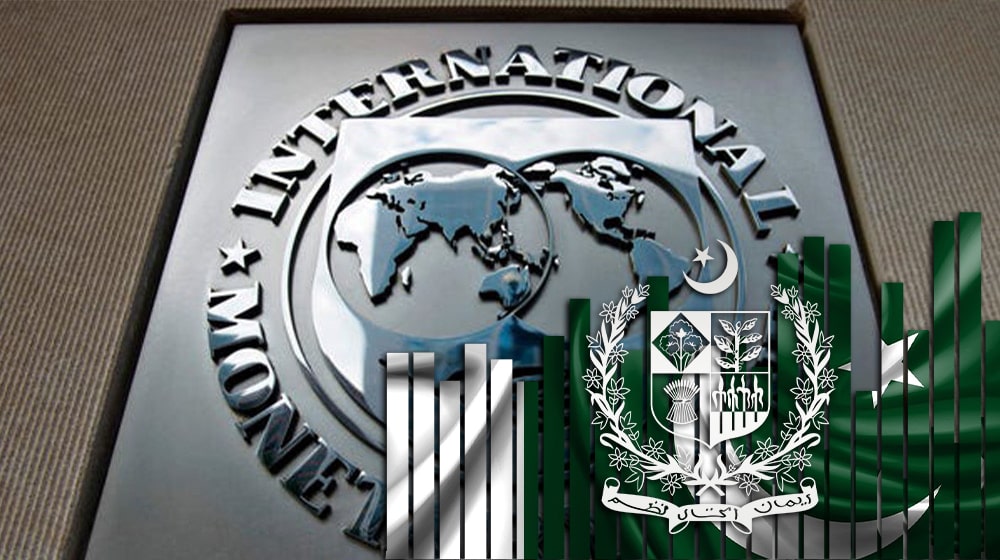
Prime Minister Shehbaz Sharif, during his visit to the World Economic Forum (WEF) in Davos on January 21, 2026, is expected to meet with IMF Managing Director Kristalina Georgieva to request a more flexible approach from the IMF as Pakistan aims to renegotiate the terms of its ongoing financial programs.
The News reported, citing official sources, that the government aims to secure breathing space for the upcoming 2026-27 fiscal year budget and the remaining period of the $7 billion Extended Fund Facility (EFF) and $1.4 billion Resilience and Sustainability Facility (RSF), which are due to conclude by September 2027. The Pakistani delegation plans to ask the IMF to ease conditions for finalising the fiscal framework for 2026-27, seeking greater flexibility as the country grapples with economic challenges.
A key element of the discussions will be a strategy for economic growth post-EFF, which includes accelerating sluggish economic activities starting next financial year.
Recent data points to persistent struggles, with foreign direct investment down by 43% and a shift from a surplus to a $1.2 billion current account deficit in the first half of the fiscal year (July-December). Experts suggest the investment-to-GDP ratio could hit a record low by the end of the fiscal year, as reflected in the upcoming Economic Survey for 2025-26.
However, the Ministry of Finance remains optimistic, with projections suggesting GDP growth could reach nearly 4% despite the challenges posed by the 2025 floods. The current account deficit is expected to stabilise around $2.2 to $2.3 billion, with exports estimated at $32 billion and imports at $72 to $76 billion by June 2026. Meanwhile, remittances are projected to hit $42 billion.
On the fiscal front, the Federal Board of Revenue (FBR) is struggling to meet revised tax collection targets. To address this, the government plans to raise the petroleum levy, aiming to bridge the gap and meet IMF-agreed fiscal deficit targets.
Looking ahead, an IMF review mission is expected in late February or early March 2026 to conduct the third review under the $7 billion EFF, which will finalise the budgetary framework for 2026-27.
The government’s key economic proposals include fostering export-led growth, boosting investment through the Special Investment Facilitation Council, and reducing power tariffs to enhance competitiveness.
Additionally, the government aims to offer fiscal space for tax incentives, including a reduction in super tax rates for the manufacturing sector. The draft industrial policy also includes plans to raise the income threshold for super tax from Rs200 million to Rs500 million and to gradually reduce the super tax rate to 5% over the next four years, contingent on achieving a primary surplus.
Lastly, the government is exploring the possibility of leveraging the decline in inflation to lower the policy rate, making credit more accessible to the private sector, particularly to SMEs.

Our monitoring team diligently searches the vast expanse of the web to carefully handpick and distill top-tier business and economic news stories and articles, presenting them to you in a concise and informative manner.
View all articles →Comments
No comments yet. Be the first to join the discussion!