February 18, 2026
Power consumers may face Rs1.78/unit increase in January 2026 bills as CPPA-G seeks FCA approval
NEPRA will hold a public hearing on CPPA-G’s request on February 26, 2026, before issuing its final decision on the Rs1.78 per unit increase for January 2026 fuel charges adjustment
February 18, 2026
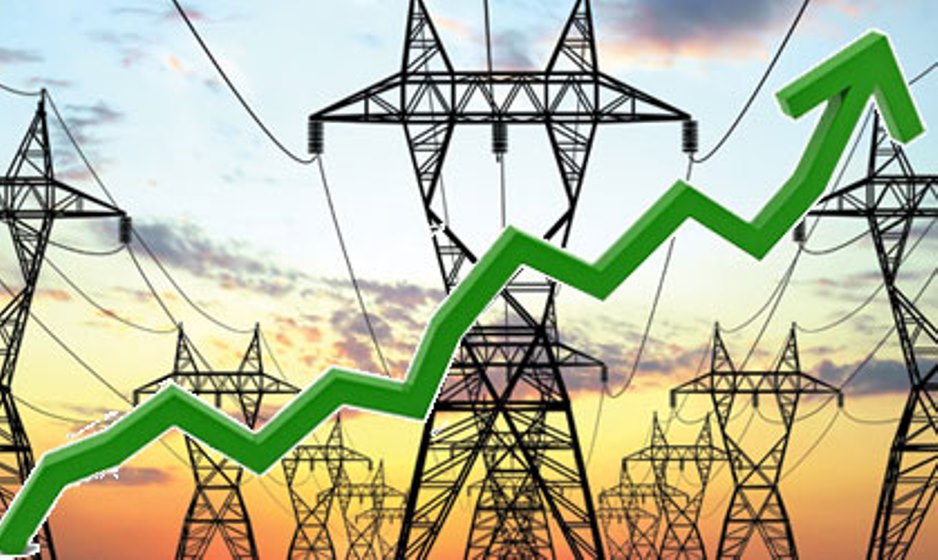
ISLAMABAD: Electricity consumers across Pakistan may face an additional burden of Rs1.7814 per unit in their power bills as the Central Power Purchasing Agency-Guarantee (CPPA-G) has moved the National Electric Power Regulatory Authority (NEPRA) seeking approval for a fuel charges adjustment (FCA) increase for the month of January 2026.
As per details, the requested hike is based on CPPA-G’s calculation that the actual fuel cost for electricity supplied to ex-WAPDA distribution companies (DISCOs) stood at Rs12.1768 per kWh, compared to the reference fuel cost of Rs10.3954 per kWh, resulting in a difference of Rs1.7814 per unit proposed to be passed on to consumers.
If approved, the increase will directly impact millions of residential, commercial and industrial consumers, adding further pressure on household budgets already strained by high inflation and rising utility costs.
The FCA is typically reflected in electricity bills as an additional charge and is applied as per monthly adjustments determined by the regulator.
NEPRA has scheduled a public hearing on CPPA-G’s request on February 26, 2026 (Thursday), after which the regulator will issue its final determination regarding the requested Rs1.7814 per unit increase for January 2026 fuel charges adjustment.
The available document also said that CPPA-G has submitted detailed generation cost data showing that total electricity generation during January 2026 remained 9,140 GWh, with an overall fuel cost of Rs106.363 billion, translating into an average cost of Rs11.6366 per unit at the generation stage.
After adjustments, including previous adjustment, sale to IPPs and transmission losses, the net electricity delivered to DISCOs was recorded at 8,762 GWh, with fuel charges of Rs106.689 billion, raising the net delivered cost to Rs12.1768 per unit.
The generation mix provided in the notice highlights that RLNG-based power generation remained the biggest contributor, producing 2,002 GWh, accounting for 21.90percent of total generation, with fuel cost of Rs39.905 billion at a high rate of Rs19.9333 per unit, indicating the continued reliance on expensive imported fuel.
Imported coal also formed a significant part of the energy basket, contributing 1,580 GWh or 17.28pc, costing Rs21.300 billion at Rs13.4849 per unit, while local coal generation stood at 1,404 GWh with a 15.36% share, costing Rs16.316 billion at Rs11.6217 per unit.
Gas-based generation contributed 1,117 GWh, making up 12.23% of the total, with fuel cost of Rs14.241 billion at Rs12.7439 per unit.
On the other hand, nuclear power remained one of the cheapest sources, generating 1,599 GWh with a 17.49% share, but costing only Rs3.577 billion, reflecting a very low cost of Rs2.2373 per unit, underscoring how cheaper base-load sources could help reduce overall consumer burden if utilized more effectively.
The data further revealed that power generation from furnace oil (RFO) remained extremely expensive, producing 274 GWh with a 3% share, but costing Rs9.201 billion at a steep rate of Rs33.5566 per unit, making it the costliest fuel source used during the month.
Electricity import from Iran contributed 35 GWh, costing Rs768 million at Rs22.0608 per unit.
Renewable sources also remained part of the supply mix, as wind generation contributed 241 GWh, bagasse contributed 102 GWh with a cost of Rs1.055 billion at Rs10.3893 per unit, while solar generation stood at 74 GWh. Hydel generation was recorded at 713 GWh, contributing 7.80% of the overall electricity produced.
It is also learnt from sources that the petition has been filed under Section 31(7) of the NEPRA Act (XL of 1997), under which the regulator is empowered to adjust tariffs on a monthly basis due to variations in fuel charges, in line with the tariff mechanism applicable to ex-WAPDA DISCOs.
Importantly, the document also made it clear that under federal government policy guidelines regarding uniform application of fuel charge adjustments, the FCA to be determined for ex-WAPDA DISCOs will also be applicable to consumers of K-Electric, meaning the proposed hike could potentially hit electricity consumers across the country, including Karachi.
Power sector sources said that such FCA increases are often driven by higher generation from imported fuels like RLNG and coal, coupled with limited low-cost hydel output, which ultimately translates into higher per unit costs for consumers. They warn that frequent monthly adjustments are increasingly becoming a major contributor to bill volatility, leaving consumers unable to predict or manage their electricity expenses.
The increase, if approved, would come at a time when electricity consumption patterns are already shifting due to high tariffs, forcing many households and businesses to reduce usage, shift to alternative energy sources, or delay payments, further worsening the circular debt crisis.
0 Comments
No comments yet. Be the first to join the discussion!