March 20, 2026
US faces $200 billion war funding push as Iran strikes Gulf energy sites, LNG supply hit
Congress resists funding request, Brent rises to $119, European gas up 35%, Qatar loses 12.8 million tons LNG capacity worth $20 billion annually

March 20, 2026
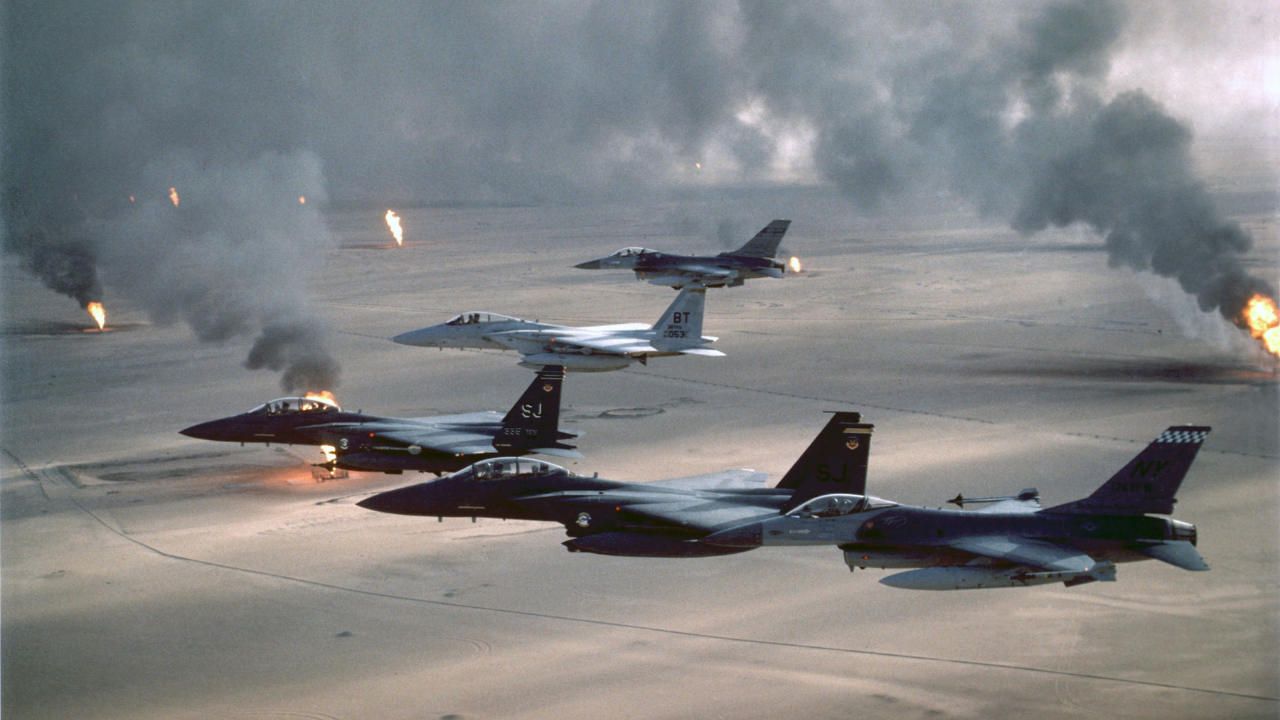
A proposed $200 billion US funding request for the Iran war faced opposition in Congress on Friday, as lawmakers questioned the need for additional spending following recent defence appropriations. The debate comes amid escalating attacks on energy infrastructure across the Gulf, with Iranian strikes targeting facilities in Qatar, Saudi Arabia and Kuwait, disrupting global energy markets.
In Qatar, missiles hit the Ras Laffan liquefied natural gas (LNG) complex, causing extensive damage, according to QatarEnergy. The attack has taken offline about 12.8 million tons per year of LNG capacity, equivalent to roughly 17% of Qatar’s exports, with losses estimated at $20 billion annually. Repairs are expected to take between three and five years.
Oil and gas markets reacted sharply. Brent crude rose 10% to $119 per barrel before easing to $112, while European gas prices increased by 35%. Iran’s closure of the Strait of Hormuz has further disrupted global energy flows.
Attacks have also spread across the region. A drone struck the Samref refinery in Yanbu, Saudi Arabia, while fires broke out at Kuwait’s Mina Abdullah and Mina Al-Ahmadi refineries, which together process about 800,000 barrels per day. In Israel, reports indicated a strike on an oil refinery in Haifa.
US President Donald Trump said there was no timeline for ending the conflict and warned of a strong response if Iran continued strikes on Qatar, while stating there were no immediate plans to deploy ground troops. Iran responded that it would show “zero restraint” if its energy infrastructure was targeted again.
A US F-35 fighter jet was forced to make an emergency landing at a regional airbase after being hit during a combat mission over Iran, according to US Central Command, marking the first reported incident of Iran striking a US aircraft in the current conflict.
Global concerns have intensified over the economic impact of the war. The International Monetary Fund said sustained oil prices above $100 could increase global inflation by up to two percentage points and reduce output by one percentage point. The World Trade Organization warned that high energy prices could slow global trade growth to 1.4% this year.
Six countries, including Britain, France, Germany and Japan, said they were ready to support efforts to ensure safe navigation through the Strait of Hormuz. The International Maritime Organization has also called for the establishment of a temporary maritime corridor to secure shipping routes.
The United States has approved $16.46 billion in emergency military sales to the United Arab Emirates and Kuwait, including radar systems and missile defence equipment, bypassing standard congressional review procedures.
The conflict, which began in late February, has disrupted aviation routes, energy supplies and trade flows across the region, raising concerns among major economies over prolonged instability and supply chain risks.
Our monitoring team diligently searches the vast expanse of the web to carefully handpick and distill top-tier business and economic news stories and articles, presenting them to you in a concise and informative manner.
View all articles →0 Comments
No comments yet. Be the first to join the discussion!