April 24, 2026
Diet Coke has disappeared in India. Could the same happen in Pakistan?
The global prices of aluminium coil have increased sharply following the US-Iran war. Pakistan’s local beverages industry has some key advantages over India.

April 24, 2026
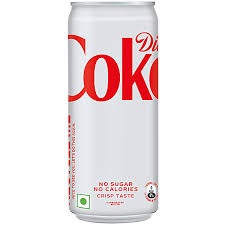
Diet Coke has disappeared in India. Quick commerce apps show it as unavailable, supermarkets say supply has been strangled since mid-April, and Coca Cola suppliers in India said the company had notified them it was rationing supplies or not fulfilling some orders due to a can shortage caused by the US-Iran war.
What has happened in India is a combination of factors. For starters, Diet Coke has been unusually impacted because it is only sold in cans in India. On top of this, delayed shipments from the Gulf caused by the Iran war, a 20% increase in global aluminium prices, and increasing demand for Diet Coke in India have all led to the product disappearing from shelves.
But could the same happen in Pakistan? Just right off the bat Pakistan will not face a Diet Coke shortage primarily because the drink is sold both in cans and in plastic bottles here. Not only is it sold in half litre and 330ml plastic packaging, Coke Pakistan has also introduced it in its 1.5 litre plastic packaging. So even if an aluminium shortage hits Pakistan, Diet Coke and all other canned beverages will remain safe.
That does not mean similar concerns do not exist in Pakistan. For aficionados that prefer the “canned taste” of Coke Zero and Pepsi Black, caterers that find it easier to provide cans at events over glass bottles, and for any patrons of Murree Brewery and other beverages that are simply better in a can even the thought of such a shortage might cause laments similar to the ones seen in India by the legions of Diet Coke fans.
The good news is there is nothing to worry about. Since 2017 aluminium cans for drinks have been sold by Pakistan Aluminium Beverage Can Limited. PABC has a production capacity of 1.2 billion cans a year. Since going public in 2021, PABC has ramped up production and targeted export markets like Afghanistan and Central Asia. They import aluminium coils majorly from South Korea and China. While PABC has also been hit by the same global factors as India, its focus on exports means they have excess supply if anything, especially considering their exports have been impacted by the closure of the Pakistan-Afghanistan border.
The crisis in Pakistan is different. It has more to do with rising costs, shrinking gross margins for PABC, and excess capacity at a time when we should be ramping up exports.
The situation in India
According to a recent report by Reuters, Diet Coke has run short because of delayed shipments from the Gulf caused by the Iran war. The Gulf accounts for around 9% of global aluminium production, which has been trapped since the end of February by Iran's de facto blockade of the Strait of Hormuz.
For Coca Cola, India is an increasingly important market and Diet Coke an increasingly significant product. Coca Cola reported sales of INR 50 billion Sugar-free products are a growth category: India's reduced-sugar food and beverage market will be worth $4.7 billion by 2030, more than double its size from 2023, Grand View Research says. Since cans for Diet Coke are imported, the Diet Coke shortage was due to some consignments of imported cans being delayed. The shortfall cannot be met locally since production of cans and bottles in India has also become more expensive because of an energy shortage.
"There is some production happening, but it's being rationed as the company can't meet all the demand," said one executive quoted anonymously by Reuters. According to another Indian news organisation, Open, Diet Coke sales in India actually doubled last year, as low-sugar beverages surged to represent 30% of Coca-Cola India's total volumes in 2025 — up from just 5% in 2020.
Why Pakistan is different
Pakistan will not face the same issue. Not only is Coke Zero (that is the branding it is sold under here in red cans with black lettering rather than the silver “diet” cans sold in India) sold in bottles in Pakistan, it is also not a significant product in Pakistan. Overall “sugar-free” and “diet” carbonated beverages make up only 2.7% of Pakistan’s total market according to a Euromonitor report from December 2025. Diet Coke is only 1.3% of the overall market.
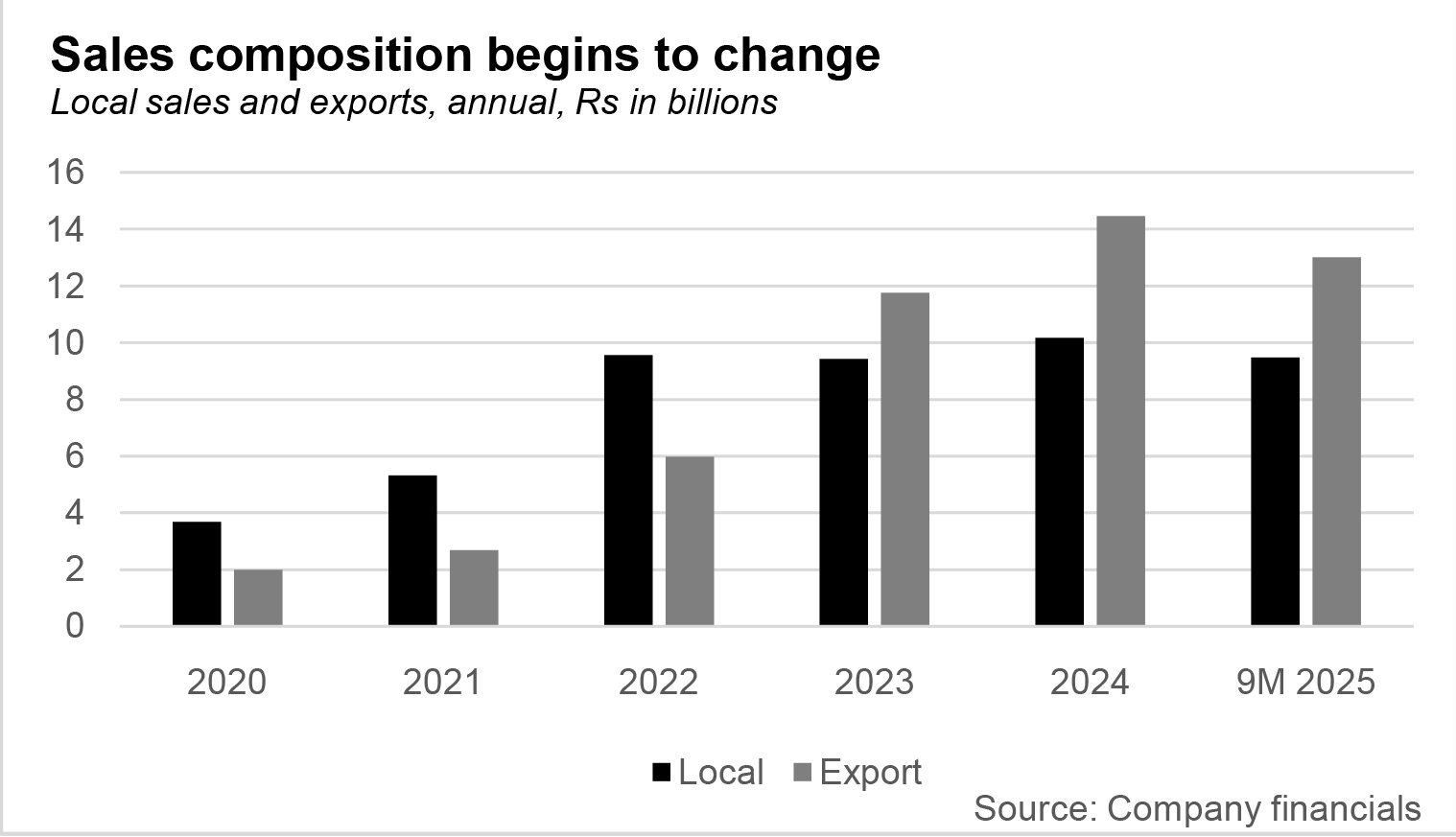
Then, of course, there is PABC. The company has not only successfully provided cans to both Coke Pakistan and PepsiCo, it has also gained a list of clients that includes companies like Murree Brewery. Their sales have gone up consistently, from around Rs 7 billion when they first went public in 2021 to close to Rs 24 billion in their results for 2025. Some of this has to do with inflation, considering the global increase in prices of aluminium. Over the years, a big part of PABC’s success has been their ability to export their products to Afghanistan and Central Asia. Exports have continued to make up a larger share of their sales.
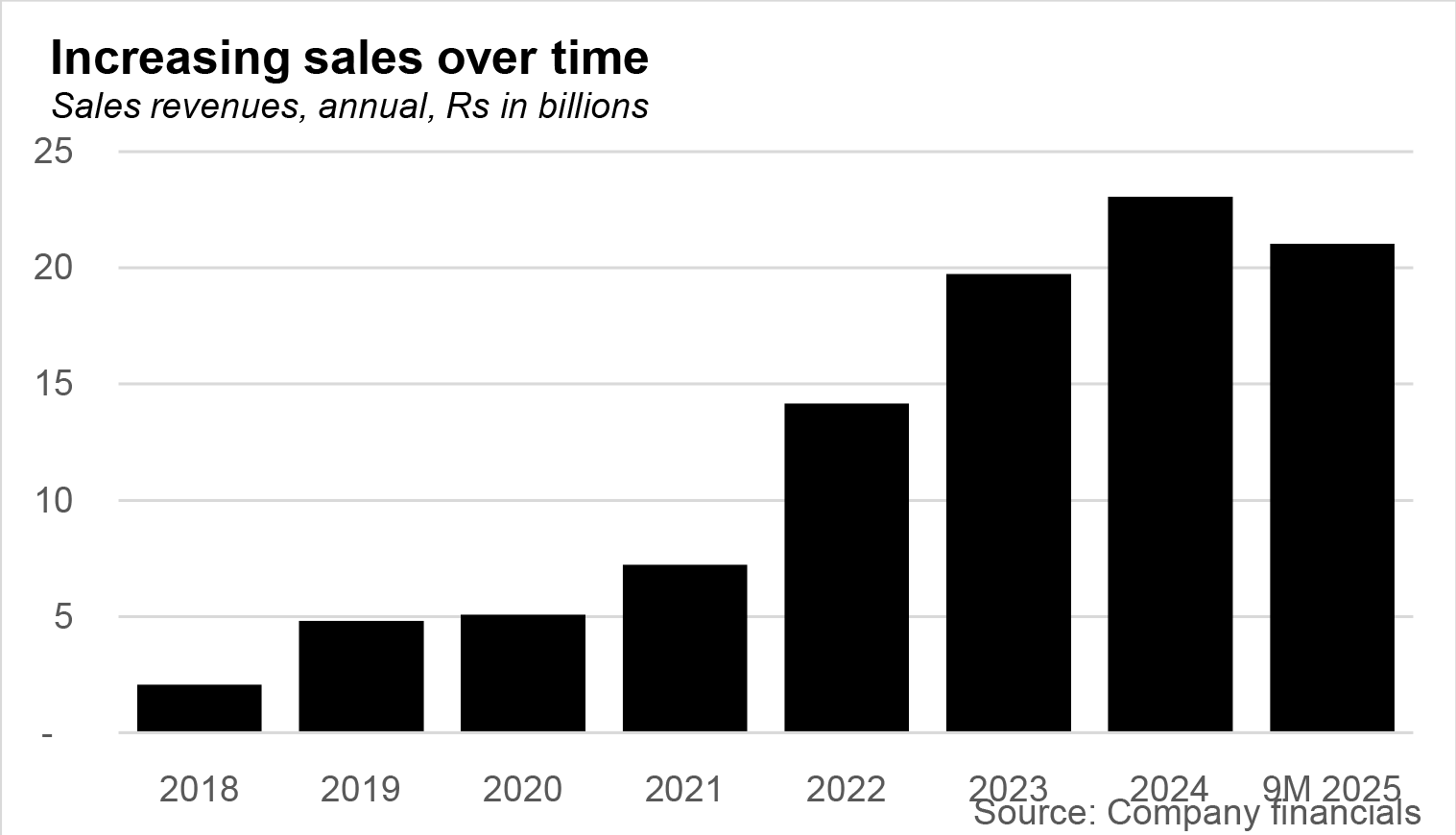
In 2020, they had close to Rs 4 billion in local sales and Rs 2 billion in export sales. In 2024, local sales were worth Rs 10 billion while exports came in at Rs 14.5 billion. Breaking down exports to regions, out of the total exports, Rs 12 billion were made in Afghanistan alone. This makes up around 83% of total exports. Rs 12 billion of export means that every month the company is selling Rs 1 billion worth to Afghanistan alone.
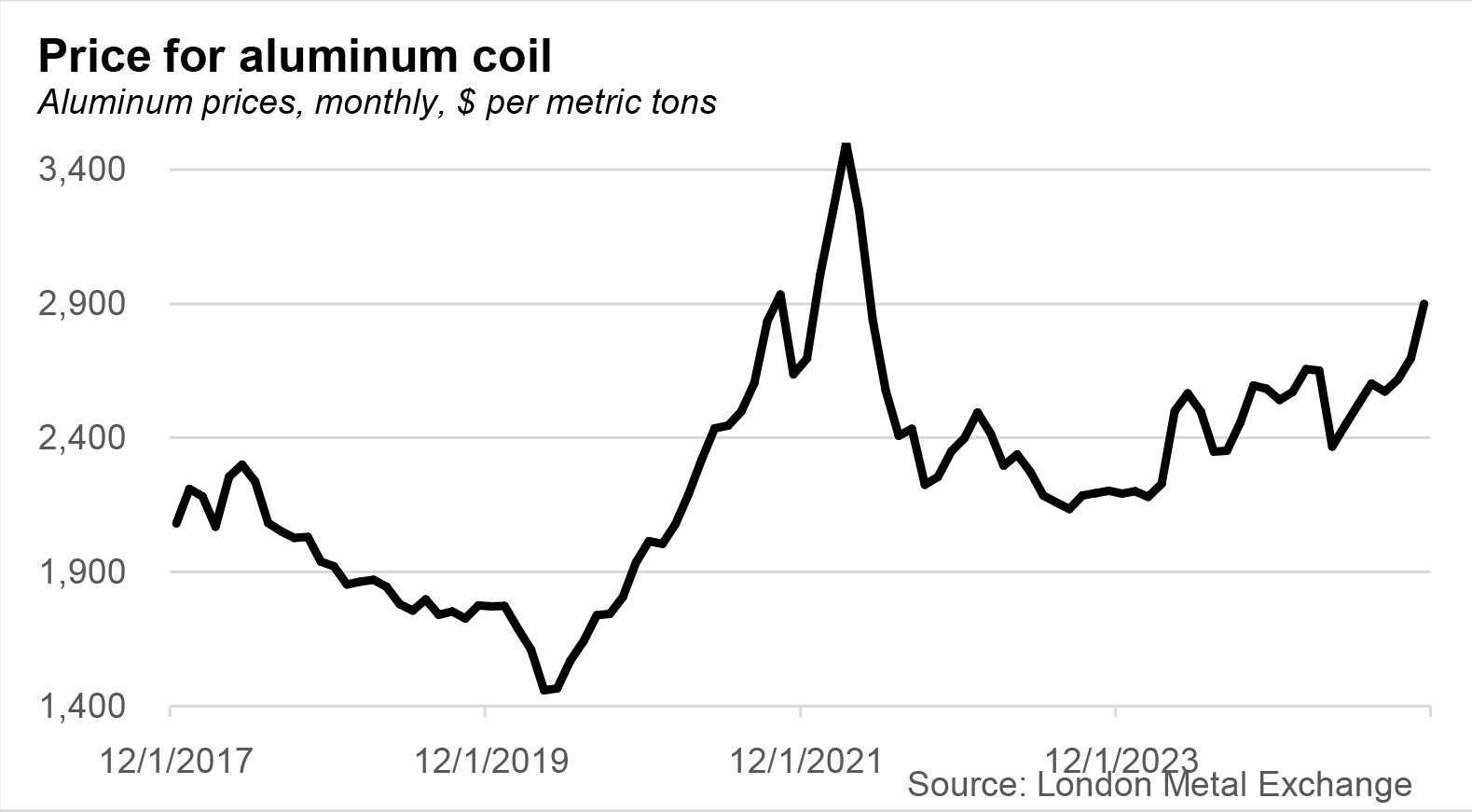
However, the past couple of years have proved challenging for PABC because of external circumstances. The company has largely been importing aluminum coils, the main component used to make cans, from a South Korean company called Novelis. However, there are indications that in the last few years they have relied more on China. In their annual reports for both 2024 and 2025, they said that “rising raw material costs remained a concern, particularly due to China's removal of processing rebates on aluminium coil exports, which led to an increase in global aluminium prices during the year.” This could either indicate that they are buying more from China, or that China’s significant presence on the international market is making prices higher even from their vendors.
Couples with this PABC have faced border closures that impact their booming export business. At the nine-month mark ending September 2024, their export sales had been Rs 10.63 billion. At the nine-month period ending September 2025, these were Rs 13.01 billion — marking a year on year increase of nearly Rs 3 billion for the same time period.
However, at the end of the year 2025, PABC’s overall export sales stood at Rs 14.01 billion compared to Rs 14.45 billion in December 2024. Overall exports in the last quarter were only Rs 1 billion, down from the average of around Rs 1.44 billion per quarter. This was mostly because of the conflict between Pakistan and the Afghan Taliban which started in October 2025. The border has remained closed since.
PABC has made it clear that they are being impacted both by the border closure and international price exposure. The company’s CEO, Zain Ashraf Mukty, wrote in his message in the annual report that “the closure of the Afghan border in October 2025 significantly impacted export volumes, given the Company's exposure to Afghanistan and Central Asian markets.” The director’s report also pointed out that “The ongoing war involving Iran and other regional parties has heightened volatility in global energy and commodities markets including aluminium.”
As things stand, PABC has more free capacity than they would like. They are a significant exporter and access to their markets has been disrupted because of security concerns. As of now, the government has made it easier to export to Central Asia through Iranian land routes. However, that still leaves the Afghanistan market open. For canned drinks lovers in Pakistan that is good news. But for PABC, it is a headache that persists.
While the challenges persist, PABC has managed to keep up their sales volumes. with net sales reaching Rs. 23.99 billion. As the CEO’s message in their annual results clarified, “domestic volumes improved during the year, reflecting gradual recovery in local demand. Margins were impacted due to higher input costs and the recognition of impairment on slow-moving inventory linked to export market disruptions, reflecting a prudent and realistic approach.”
Profit reached out to two senior executives at PABC for comment. One declined to comment and the other did not respond.
Abdullah Niazi is senior editor at Profit. He can be reached at [email protected]
View all articles →0 Comments
No comments yet. Be the first to join the discussion!