Govt decides major amendments to liberalise GMO import rules
Proposed changes remove the 2027 cut-off on GMO imports, simplify licensing and expand gene-editing research approvals for universities and the private sector
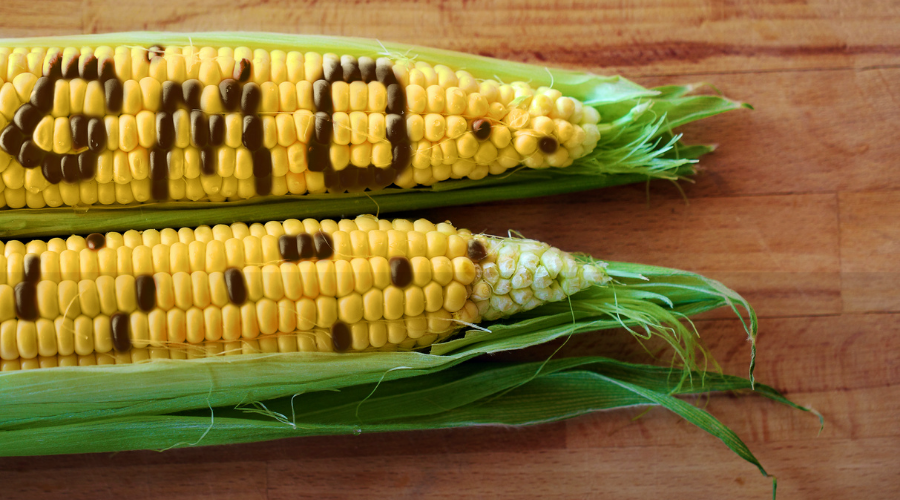
The government has decided on major amendments to the Pakistan Biosafety Rules aimed at liberalising the regulatory framework for imports of genetically modified organisms (GMOs) and simplifying licensing procedures, Business Recorder reported.
The proposed amendments were recommended for cabinet approval during a meeting of the National Biosafety Committee convened by the Ministry of Climate Change and Environmental Coordination.
The meeting was chaired by the ministry’s secretary and attended by senior officials, including representatives of the Pakistan Environmental Protection Agency, technical experts and members of the biosafety regulatory framework.
The reforms are expected to affect Pakistan’s edible oil and poultry sectors, which rely heavily on imported genetically modified soybean and canola for food, feed and industrial use.
One of the major changes removes the sunset clause introduced in 2024 that restricted GMO imports until January 17, 2027.
Under the revised framework, imports of GMO grains such as soybean and canola will continue without a cut-off date.
The amendments also formally recognise new gene-editing technologies and grant greater authority to Institutional Biosafety Committees at universities and private research institutions to approve student-based laboratory research projects.
Pakistan’s current biosafety system operates through multiple committees to ensure compliance with the Cartagena Protocol on Biosafety.
Officials said the amendments were aimed at streamlining the approval structure and reducing delays in decision-making.
Another key reform relates to licensing of GMO grain imports.
Under the new framework, multinational biotechnology companies will be allowed to directly apply for licences for specific GMO events.
Once approved by the National Biosafety Committee, the licences will be published on the Pak-EPA website, allowing private importers to import approved GMO grains without obtaining separate licences.
Officials at Pak-EPA said the changes were expected to reduce the cost of doing business and encourage investment in the edible oil extraction and animal feed sectors.

Our monitoring team diligently searches the vast expanse of the web to carefully handpick and distill top-tier business and economic news stories and articles, presenting them to you in a concise and informative manner.
View all articles →Comments
No comments yet. Be the first to join the discussion!