Fixed-tax scheme for small retailers draws broad support, limited criticism as govt eyes Rs50 billion in revenue
Pakistan Retail Business Council, Chainstores Association of Pakistan, Karachi Electronics Dealers Association, Karachi Wholesale Grocers Association and Anjuman Tajiran Karachi weigh in on 1% levy, Rs200 million turnover ceiling and Rs25,000 minimum tax

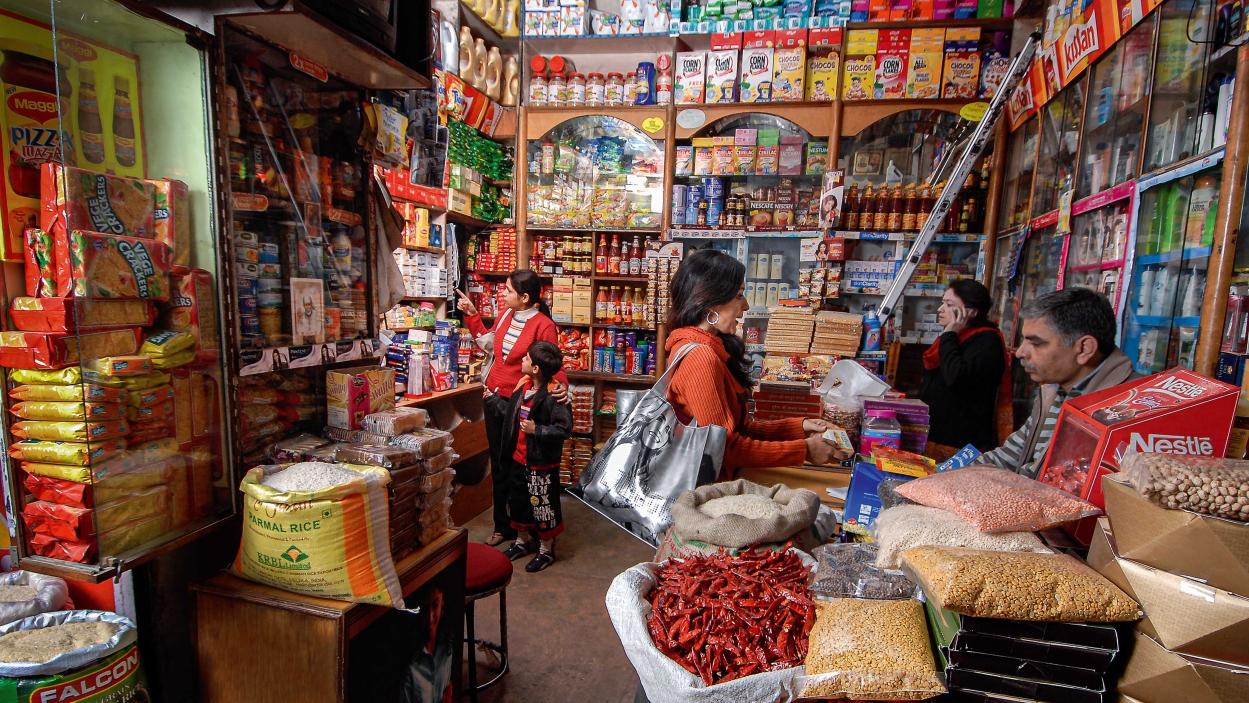
The government’s fixed-tax scheme for small retailers has drawn broad support from trader organisations, alongside limited criticism, as it seeks to generate Rs50 billion annually through a 1% levy on sales by eligible businesses with an annual turnover below Rs200 million.
The scheme is the government’s second attempt to bring traders into the formal tax system after the earlier Tajir Dost Scheme failed to achieve the intended results. Pakistan has an estimated 3.5 million retail outlets, but fewer than 50,000 currently file tax returns.
Under the new framework, shopkeepers operating a single outlet will be eligible if their annual sales remained below Rs200 million during each of the previous three consecutive years.
Participating retailers will pay tax equivalent to 1% of the total value of goods sold. They will also be required to pay a minimum annual tax of Rs25,000 when submitting a simplified one-page return, in addition to any applicable withholding taxes.
Participation will remain voluntary, allowing eligible shopkeepers either to join the fixed-tax regime or continue filing standard income tax returns.
The scheme will apply from fiscal year 2026 and will exclude Tier-1 registered suppliers, wholesalers, distributors, manufacturers and importers.
Minister of State for Finance Bilal Azhar Kayani described the scheme as beneficial for both the government and small traders.
Pakistan Retail Business Council Chairperson Ziad Bashir backed the scheme, calling it a more practical attempt to bring informal businesses into the tax net than the failed Tajir Dost Scheme.
The programme offers exemptions from mandatory point-of-sale systems, unannounced inspections and automatic audits. Bashir said its success would depend on consistent enforcement, strong voluntary participation and sustained investment in documenting retail businesses.
Macroeconomist Ammar Habib Khan, however, questioned the scheme’s effectiveness, saying weak enforcement and the absence of penalties could limit registrations.
Industry representatives broadly supported the simplified filing structure but raised concerns over policy continuity, its interaction with sales tax rules and the impact of the 1% levy on low-margin goods.
Chainstores Association of Pakistan Patron-in-Chief Tariq Mehboob suggested reducing the rate to 0.5% for fast-moving consumer goods and price-controlled items.
Association Chairperson Asfand Yar Farrukh called for extending the scheme to small e-commerce sellers to ensure equal tax treatment for online and physical retailers operating within the same turnover bracket.
Small trader organisations in Karachi welcomed the 1% turnover tax and the Rs200 million eligibility threshold, expressing hope that participating businesses would not face additional tax demands or audit-related complications.
Karachi Electronics Dealers Association President Rizwan Irfan said the scheme could simplify tax compliance for small and medium-sized businesses. He added that transparent implementation would encourage more traders to enter the formal tax system.
Karachi Wholesale Grocers Association Chairman Rauf Ibrahim said his association had proposed the 1% turnover tax and fixed-tax regime during consultations with the government. He said the government’s acceptance of the proposal had improved confidence among small traders.
According to Ibrahim, the tax burden would amount to approximately Rs 70 per day for each small trader and would not materially increase business costs or disrupt commercial activity. He urged traders to participate in the scheme and support efforts to expand the tax base.
Anjuman Tajiran Karachi representative Javed Shams proposed reducing the minimum fixed annual tax to Rs 20,000 from Rs 25,000.
He welcomed the Rs200 million annual sales threshold and said efforts were underway to bring more small businesses into the fixed-tax framework.
Trader leader Sharjeel Goplani said the government had consulted the business community and that traders were willing to pay taxes under a simplified system.
He expressed hope that businesses joining the scheme would remain protected from additional levies and audit disputes.
Other trader bodies also welcomed reduced interaction with tax officials but warned that subsequent changes to the framework could trigger resistance.

Our monitoring team diligently searches the vast expanse of the web to carefully handpick and distill top-tier business and economic news stories and articles, presenting them to you in a concise and informative manner.
View all articles →Comments
No comments yet. Be the first to join the discussion!