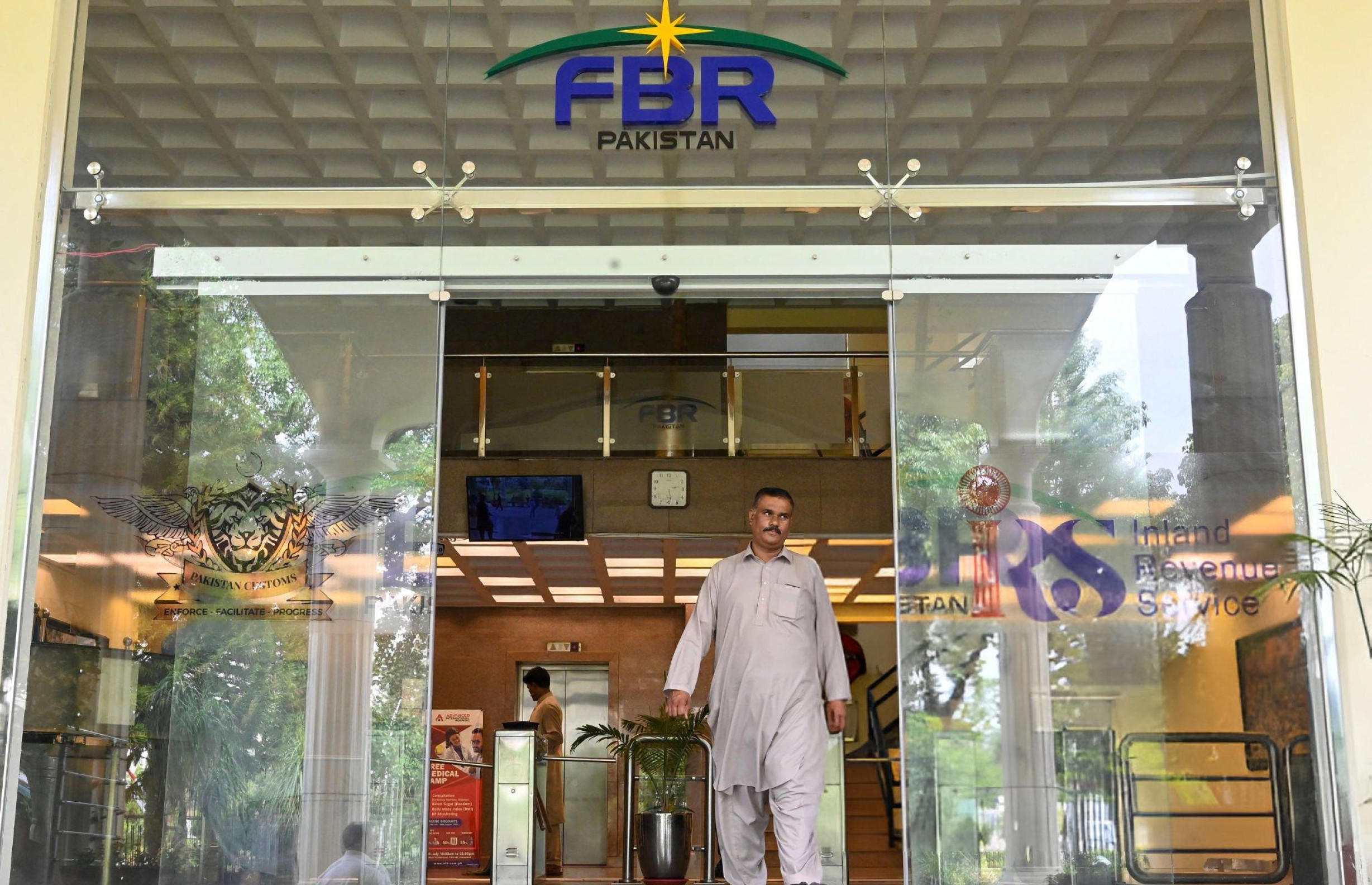
FBR to launch faceless tax pilot in October to curb harassment by officials
Automated system will randomly assign cases, separate assessment and audit functions, and offer electronic hearings before full rollout within three years

Chairman Federal Board of Revenue (FBR) Rashid Mahmood Langrial told the National Assembly Standing Committee on Finance on Wednesday that the authority would launch a pilot for its faceless tax administration system in October to reduce direct interaction between taxpayers and officials and curb harassment, collusion and rent-seeking, admitting that information collected under the existing model was either ignored or used against taxpayers, The Express Tribune reported.
The committee meeting was chaired by former finance minister Syed Naveed Qamar.
Langrial said the new framework would create a barrier between taxpayers and tax officials by using system-based risk identification and randomly assigning flagged cases to officers.
The system is expected to be fully implemented within three years.
Under the proposed model, cases identified as high risk will be referred to the National Assessment Wing and randomly allocated to an officer. A separate quality control wing will review the assessment before further action is taken.
Only cases considered suitable for further investigation will be sent to the audit wing. Taxpayers will also be offered electronic hearings without direct interaction with tax officials.
The FBR plans to divide Inland Revenue operations into three separate and functionally exclusive wings, with distinct mandates, statutory powers and jurisdictions. Audit, assessment, enforcement and recovery functions will no longer remain under the same officer.
Langrial said combining these functions under one official had weakened the quality of audits and assessments, while discretionary powers and limited specialisation had affected case quality.
Finance Minister Muhammad Aurangzeb said the government had studied tax administration models used in other countries and would implement the new system in phases to reduce human interaction as far as possible.
The FBR chairman cited data showing that 8,697 individuals held deposits worth Rs750 billion but declared no income.
He also told the committee that 98.9% of individuals with large bank deposits had underreported their banking flows, while 80% of major property purchasers had materially under-declared their assets despite being registered tax filers.
According to an FBR presentation, a one-percentage-point increase in the corruption index is associated with a 4.57% decline in the tax-to-gross domestic product ratio. Pakistan received a Political Risk Services score of 52 out of 100, the lowest in the region.
Langrial said frequent physical interaction between taxpayers and officials continued despite the availability of digital systems, creating opportunities for manipulation and improper arrangements.
He said the FBR had previously provided officers with detailed taxpayer information, but some officials used it for personal benefit.
After taking charge as FBR chairman in 2024, Langrial had said the authority would focus enforcement efforts on the 5% of taxpayers considered capable of paying an additional Rs1.2 trillion in income tax.
Hamid Ateeq Sarwar, Member Strategic Transformation, said the new system would identify discrepancies in expenditure, sales and declared means.
A rules-based third-party compliance management system will match tax declarations with property, vehicle and banking data to detect under-reporting.
Both filers and non-filers may be flagged and required to clarify their tax position before completing property or vehicle transactions.
The sales tax compliance system will also match digital invoices with monthly sales tax returns to identify ghost buyers, under-reporting businesses and sellers that disappear from the tax system.
Committee members expressed concern that the new framework could again place a disproportionate burden on compliant taxpayers, including salaried individuals and the corporate sector.
Langrial said quality controls would be applied at multiple stages to prevent misuse.
Pakistan Peoples Party lawmaker Hina Rabbani Khar said the new model appeared well planned but noted that previous reform initiatives had not achieved their intended results.
MNA Jawed Hanif Khan said the tax system was too complex for most people and urged the government to ensure that the new model was easy to use.
Minister of State for Finance Bilal Azhar Kayani also briefed the committee on the fixed tax scheme for traders.
He clarified that the scheme was not a tax amnesty and said the government could conduct an audit where abnormal discrepancies were found in tax declarations, after consulting representatives of the trading community.
Hamid Ateeq Sarwar said compliance risk management triggers would also apply to traders and could lead to audits and additional tax demands.

Our monitoring team diligently searches the vast expanse of the web to carefully handpick and distill top-tier business and economic news stories and articles, presenting them to you in a concise and informative manner.
View all articles →1 Comment
No comments yet. Be the first to join the discussion!