Over 10.8 million Pakistanis still without electricity, report says
Tracking SDG 7 report says Pakistan is among 20 largest electricity-deficit countries as 655m people globally remain without power and universal access target falls off track

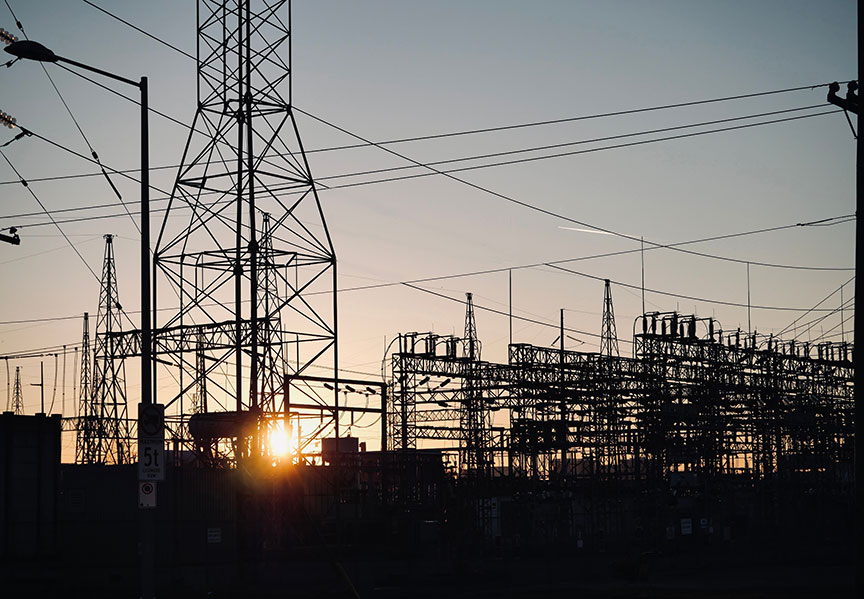
More than 10.8 million Pakistanis were without access to electricity in 2024, placing the country among the world’s 20 largest electricity-deficient countries, according to the Tracking SDG 7: The Energy Progress Report 2026, released by the World Bank, World Health Organisation, International Energy Agency, International Renewable Energy Agency and the United Nations.
The report says the world is not on track to achieve Sustainable Development Goal 7, which aims to ensure universal access to affordable, reliable, sustainable and modern energy by 2030.
Globally, 655 million people remained without electricity in 2024, while electricity access stayed at 92%. The report says the pace of electrification must more than triple to meet the universal access target within the next five years.
Pakistan was one of only two countries outside Sub-Saharan Africa included among the 20 countries with the largest electricity access gaps. The report estimated Pakistan’s unelectrified population at 10.8 million, slightly higher than Myanmar’s 10.7 million.
Nigeria had the largest deficit, with 87.2 million people without electricity, followed by the Democratic Republic of Congo at 84.7 million and Ethiopia at 57.3 million.
The report notes that Pakistan and the wider Central and Southern Asia region have made major electrification gains over the past decade. The region’s share in the global electricity deficit fell from 36% in 2010 to 3% in 2024, supported by grid expansion, rural electrification and rising incomes.
However, the report says electricity access alone does not ensure reliable or affordable power. It identifies affordability and service quality as continuing challenges across the region.
According to the report, affordability remains one of the main barriers to universal electricity access. Even where infrastructure exists, many households cannot afford connection charges, internal wiring costs or monthly bills.
Globally, only 22% of households without electricity earn enough to pay for basic electricity services, the report says.
It also says electricity remains essential for education, healthcare, communication, employment and economic productivity, as reliable power supports schools, health facilities, businesses and access to information.
The report highlights the role of distributed renewable energy systems, including off-grid solar solutions and mini-grids, in reaching remote and underserved communities. It says these systems can help governments expand access more quickly and at lower cost, while reducing dependence on imported fuels.
Sub-Saharan Africa continues to account for the largest share of global energy poverty, with 563 million of the world’s 655 million people without electricity in 2024.
The report says progress in several African countries has slowed because of rapid population growth, financing gaps and infrastructure constraints.
The energy access challenge also extends to cooking. Around two billion people worldwide still rely on polluting fuels and technologies for cooking, exposing households to indoor air pollution and health risks.
Household air pollution linked to polluting cooking fuels causes around three million deaths each year, according to the report.
International public financial flows for clean energy in developing countries rose only slightly to $24.6 billion in 2024, while support for least-developed countries declined.
The report projects that around 645 million people could still be without electricity by 2030 unless governments, development partners and the private sector accelerate investment, improve affordability and expand access for vulnerable populations.
It calls for stronger political commitment and higher investment to ensure that the benefits of the global energy transition reach people still lacking electricity and modern energy services.

Our monitoring team diligently searches the vast expanse of the web to carefully handpick and distill top-tier business and economic news stories and articles, presenting them to you in a concise and informative manner.
View all articles →Comments
No comments yet. Be the first to join the discussion!