Global gas markets expected to stabilise after Strait of Hormuz reopening
Gas Exporting Countries Forum Secretary General says gas flows and prices could move closer to pre-conflict levels by fourth quarter


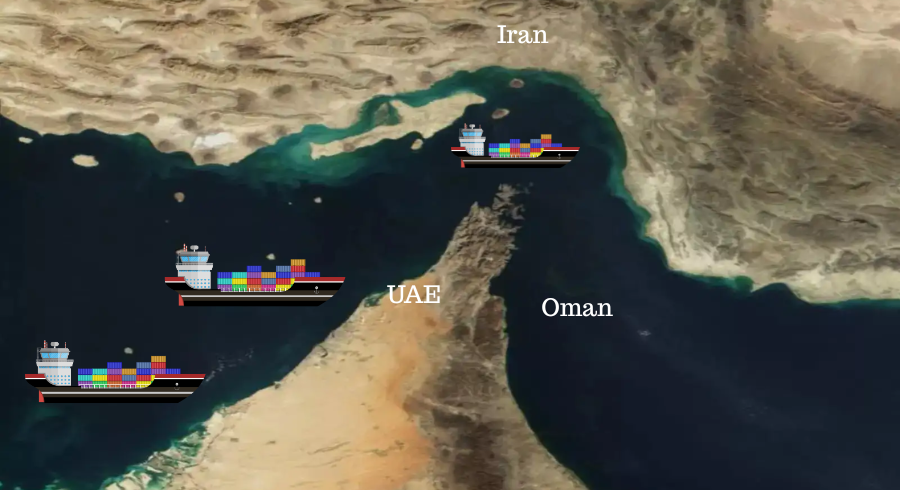
HOUSTON: Global natural gas markets are expected to begin stabilising in the third quarter after the reopening of the Strait of Hormuz following the ceasefire between the United States and Iran, Gas Exporting Countries Forum (GECF) Secretary General Philip Mshelbila said.
Speaking at the Reuters Global Energy Forum in New York, Mshelbila said the assumption that the Strait of Hormuz remains open would support a gradual return of stability in the market during the next quarter.
He said both gas flows and prices could move closer to pre-conflict levels in the fourth quarter, although Asian prices may remain elevated in the near term.
The Iran war disrupted oil and gas exports from major Middle Eastern suppliers and pushed global energy prices to their highest levels in years. Governments responded by tapping strategic reserves and urging households and businesses to conserve energy to limit the impact of higher prices.
Before the United States and Israel began strikes on Iran on February 28, analysts had expected global gas supply and demand to continue reaching record highs over the next decade, supported by coal-to-gas switching, particularly in Asia.
Gas prices in Europe and Asia rose in March 2026 to their highest level since the 2022-23 crisis triggered by Russia’s invasion of Ukraine.
The GECF represents major gas-exporting countries, including Algeria, Bolivia, Egypt, Equatorial Guinea, Iran, Libya, Nigeria, Qatar, Russia, Trinidad and Tobago, the United Arab Emirates and Venezuela. The group accounts for around 70% of the world’s proven gas resources.
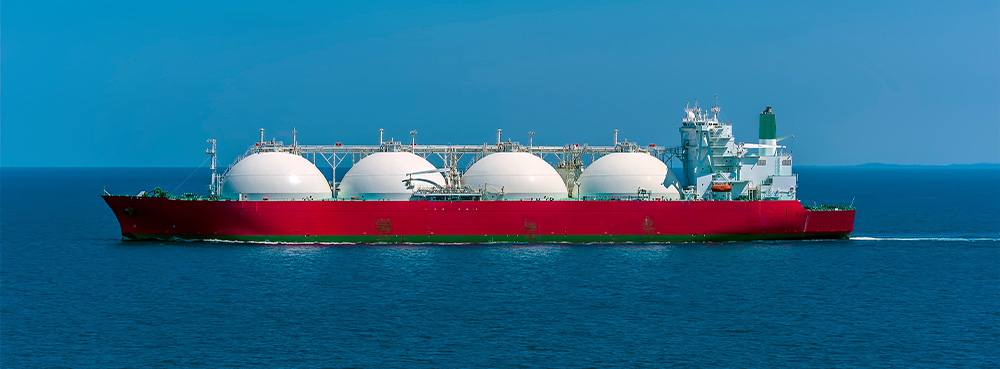
Mshelbila said the United States remains the world’s largest exporter of liquefied natural gas, followed by Qatar and Australia. He added that several African countries are expected to emerge as LNG producers in the coming years, which could help put downward pressure on prices.
On China, the GECF Secretary General said LNG demand is expected to continue growing despite the country’s efforts to diversify its energy mix.
He said China has expanded renewable energy, increased domestic gas production and secured pipeline gas from Russia, but coal-to-gas switching is likely to continue supporting LNG demand.
Mshelbila also commented on the European Union’s new rules that could penalise LNG imports on the basis of methane emissions.
He said the GECF supports the objective of prioritising the environment, but argued that Europe should not set rules for the rest of the world without globally coordinated standards.
He called for the timelines to be suspended and for countries to work towards realistic regulations that allow climate change to be addressed collectively.
Mshelbila said any gas not purchased by Europe would likely be consumed elsewhere, adding that climate policy should reflect the fact that the world shares one atmosphere and one planet.
Comments
No comments yet. Be the first to join the discussion!