Asian stocks rally as AI gains outweigh Middle East concerns
Japan’s Nikkei rises 1.8% and South Korea’s KOSPI jumps 4% as chip shares advance despite renewed US-Iran attacks


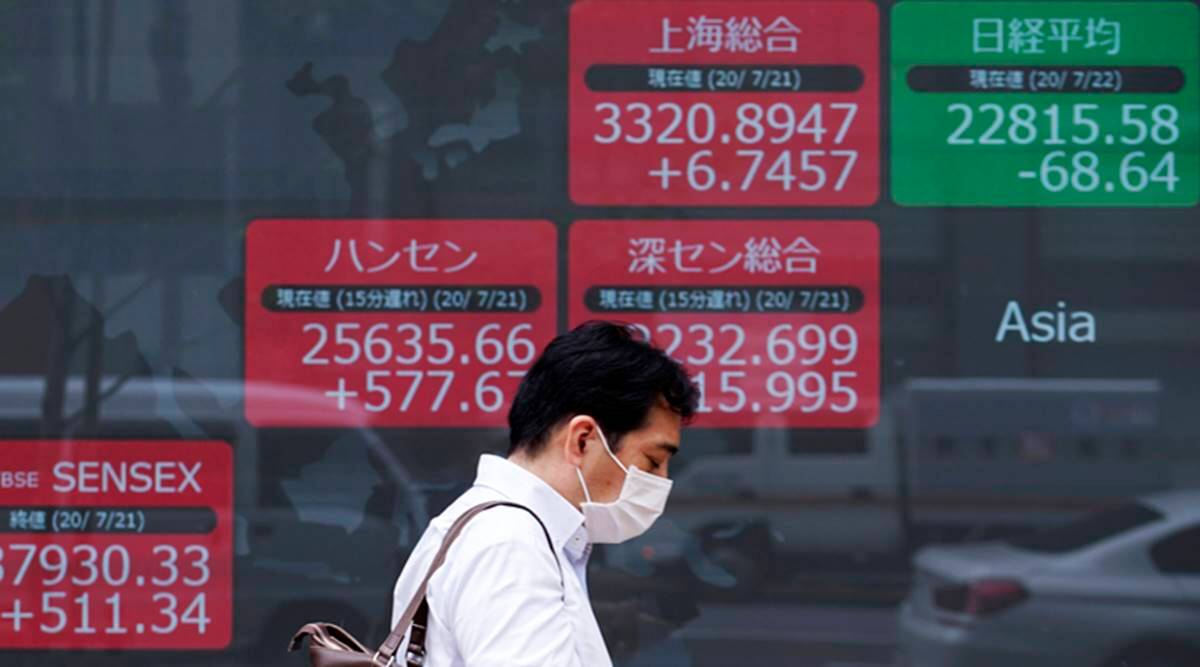
SINGAPORE: Asian stock markets rose sharply on Friday as investors focused on artificial intelligence and semiconductor companies while largely overlooking renewed fighting between the United States and Iran.
Japan’s Nikkei gained 1.8%, while South Korea’s KOSPI climbed 4%, extending a rally led by companies linked to the AI supply chain.
SK Hynix rose 1% and Samsung Electronics advanced 3%. Taiwan’s stock market remained closed because of a typhoon.
The gains lifted MSCI’s broadest index of Asia-Pacific shares outside Japan by 1.3%.
Technology shares received support from an overnight rally on Wall Street after Micron Technology announced plans to invest more than $250 billion in the United States through 2035. The Philadelphia SE Semiconductor Index rose 3%, while the Nasdaq also closed sharply higher.
Investor attention was also focused on SK Hynix’s planned US market debut later on Friday. The company priced its American Depositary Receipts at $149 on Thursday, raising about $26.5 billion.
The proceeds will be used to finance factories and equipment as the company seeks to meet rising demand for AI chips. The offering is expected to be the world’s second-largest share sale after SpaceX’s initial public offering last month.
SK Hynix’s South Korean-listed shares have gained 238% this year, helping push the KOSPI to record levels and making it the best-performing major stock market since the beginning of 2025.
Sam Konrad, investment manager for Asia Equity Income at Jupiter Asset Management, said the US-listed shares could trade at a premium to the South Korean stock and support higher valuations for SK Hynix and Samsung Electronics.
Despite the market gains, investors continued to monitor developments in the Middle East after renewed attacks between the United States and Iran weakened a three-week-old ceasefire.
The conflict has raised fresh concerns about energy supplies through the Strait of Hormuz and the potential impact of higher oil prices on inflation and global interest rates.
Brent crude futures were on course for a weekly increase of 5%, their strongest performance since early May. Brent was trading at $76.03 a barrel but remained below the gains recorded when the conflict began at the end of February.
Nick Twidale, chief market strategist at ATFX Global in Sydney, said technology shares were driving markets higher even as risks around the Strait of Hormuz remained underpriced.
In Japan, bonds and the yen strengthened after Finance Minister Satsuki Katayama said the government would explore measures to encourage pension funds, including the Government Pension Investment Fund, to increase holdings of domestic financial assets.
The yen rose 0.5% to 161.51 against the US dollar after trading near a 40-year low.
The dollar was otherwise little changed as investors waited for further signals on the direction of US interest rates. Markets were pricing in 34 basis points of rate increases during the year, although expectations could shift if the conflict adds to inflationary pressures.
Gold was trading at $4,113 an ounce and was on course for a weekly decline of about 1%.
Comments
No comments yet. Be the first to join the discussion!