Wheat Board flags over 3.5 million-tonne shortfall as calls for imports grow
Stakeholders seek at least 2 million tonnes of imports while flour millers warn of Rs4 billion losses and threaten strike over Punjab procurement policies
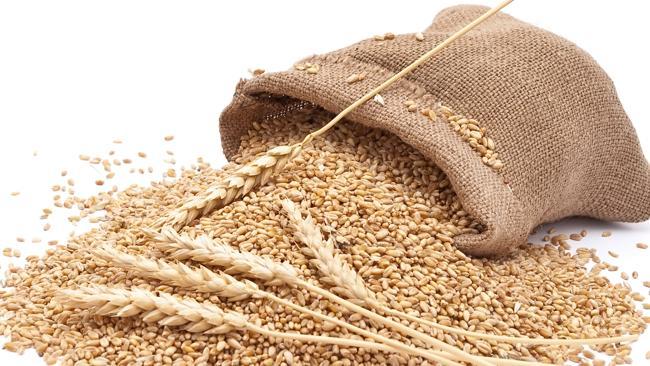
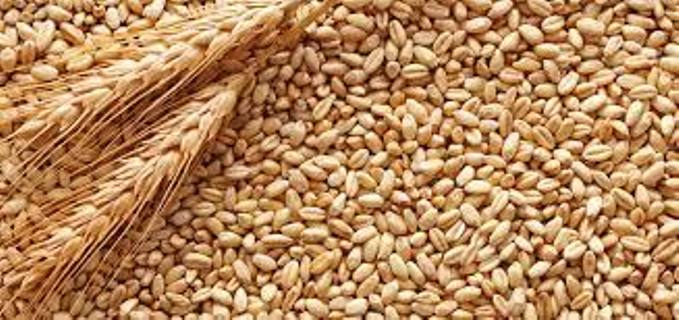
Pakistan may need to import at least 2 million tonnes of wheat to ease a supply gap estimated at more than 3.5 million tonnes, stakeholders told a meeting of the Wheat Board chaired by Federal Minister for National Food Security and Research Rana Tanveer Hussain.
Representatives of flour mills, traders, farmers and the Cereal Association said domestic supplies were insufficient and imports appeared necessary to prevent further pressure on wheat and flour prices.
Non-official members urged the government to adopt an open and uniform import policy if it decided to procure wheat from abroad. They said flour mills and traders should receive equal access and warned against limiting import permissions to one or two companies.
The meeting in Islamabad was attended by the chief secretaries of all four provinces, federal and provincial food and agriculture secretaries and other senior officials.
Rana Tanveer Hussain said the government had expected the wheat support price of Rs3,500 per maund to receive a positive response, but market prices had since climbed to Rs4,400 per maund. He directed that the Wheat Board meet again after 15 days to reassess supplies, prices and possible imports.
The Khyber Pakhtunkhwa chief secretary informed the meeting that the province had only 30,000 tonnes of wheat in stock. He said the province had received another 250,000 tonnes from the Pakistan Agricultural Storage and Services Corporation after seeking federal assistance.
He added that Punjab supplied more than 70% of Khyber Pakhtunkhwa’s flour requirements.
The Sindh chief secretary said lower availability had pushed wheat prices higher in the province. He told the meeting that authorities had launched action against hoarders and would review the results of the crackdown.
The Punjab chief secretary said the provincial government would prioritise affordable flour and bread even if it had to suspend development projects. The Punjab agriculture secretary maintained that the province had met its wheat production target of 21.9 million tonnes.
However, representatives of the Pakistan Flour Mills Association argued that restrictions and enforcement measures imposed by Punjab were contributing to higher wheat prices across the country.
Separately, an international aggregator selected by the Punjab Food Department has sought permission to import wheat to help the provincial government meet its procurement targets.
As per reports, Punjab Food Department was also expected to invite other approved aggregators to participate in wheat imports to avoid the impression that any single company was being favoured.
Meanwhile, the Rawalpindi-Islamabad chapter of the Pakistan Flour Mills Association claimed that mills in the twin cities had suffered losses of Rs4 billion because of the Rawalpindi Food Department’s policies.
The association warned of a complete strike and protests if compulsory wheat procurement was not stopped and authorities continued raids, fines, registration of cases and action against the movement of wheat and flour.
It said flour mills could not sell a 10-kilogramme flour bag for Rs1,075 after purchasing wheat from the open market at Rs4,600 per maund.
According to the association, higher wheat prices had increased the cost of flour in Rawalpindi and Islamabad by Rs150 per bag and Rs10 per kilogramme, prompting complaints from millers, dealers, shopkeepers and consumers.
Participants said the Food Department had procured 200,000 wheat bags from mills in Rawalpindi and Islamabad at the official rate despite the twin cities being located in a non-producing region. They claimed this had caused losses of Rs4 billion and said mills could not meet further compulsory procurement demands.
The association also said there was no government ban on the movement of wheat products, yet cases were being registered against flour mills.
It warned that attempts to control prices through enforcement measures, despite weather-related damage to the wheat crop, could further disrupt supplies and increase pressure on consumers.

Our monitoring team diligently searches the vast expanse of the web to carefully handpick and distill top-tier business and economic news stories and articles, presenting them to you in a concise and informative manner.
View all articles →Comments
No comments yet. Be the first to join the discussion!