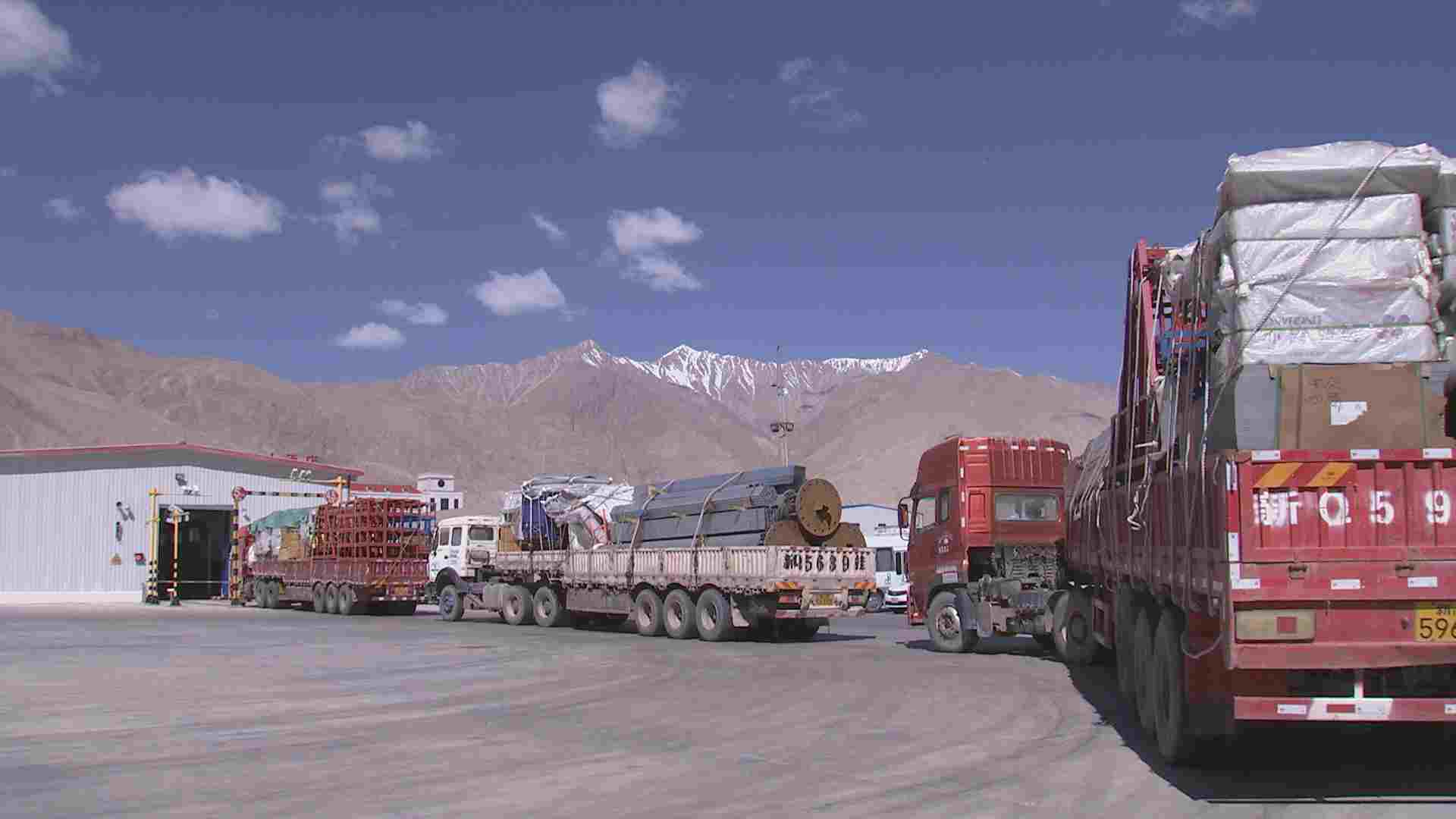
Afghanistan-Pakistan transit trade plunges to $367 million from $5 billion before Taliban’s return
Container traffic dropped to 11,592 in FY2025-26, while reverse transit plunged to $7 million from $454 million a year earlier.
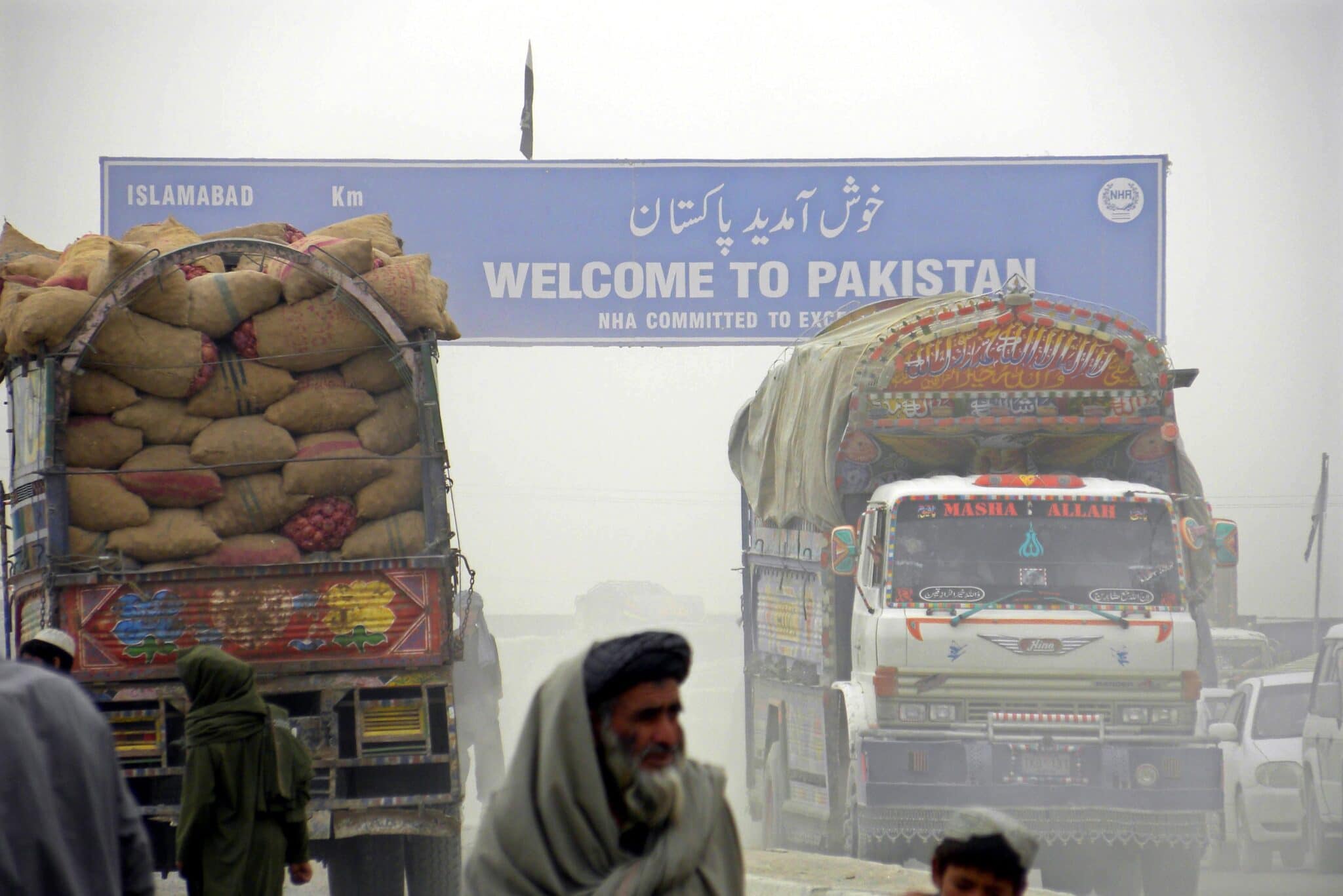
Afghanistan’s transit trade through Pakistan fell to 11,592 containers worth $367 million in FY2025-26, down from nearly 89,000 containers valued at $5 billion before the Taliban returned to power, as border restrictions and Kabul’s growing reliance on Iranian routes reshaped the trade corridor, Dawn reported.
Pakistan’s decision to close the Afghan border in October 2025 over security concerns accelerated the decline, but transit data shows that cargo volumes had already been falling before the restrictions were introduced.
Afghanistan has increasingly sought to reduce its dependence on Pakistani ports by expanding trade through Iran and strengthening commercial links with Central Asian countries. Pakistan had previously served as its cheapest and main gateway to international markets.
Transit cargo through Pakistan rose from around 60,500 containers in FY2016-17 to nearly 89,000 in FY2020-21, despite strained relations between Islamabad and the government of former Afghan president Ashraf Ghani.
The trade initially recovered after the Taliban returned to power, reaching 102,886 containers worth $6.7 billion in FY2022-23.
However, volumes subsequently dropped to 54,114 containers in FY2023-24 and 42,959 containers worth $1.36 billion in FY2024-25, indicating that Kabul had begun diverting trade before Pakistan closed the border.
Reverse transit, which allows Afghan exports to reach third countries, particularly India, through the Wagah border and Karachi ports, recorded an even sharper decline. Its value fell from $454 million in FY2024-25 to only $7 million in FY2025-26.
Iran has emerged as Afghanistan’s main alternative trade route. According to the World Bank’s Afghanistan Economic Monitor 2026, Afghan imports increased 15% to $13.2 billion in FY2024-25.
Iran accounted for 31.3% of Afghanistan’s imports, while its direct and transit corridors handled 48.6% of total imports.
The shift has reduced Pakistan’s leverage over Afghan trade but increased transport and logistics costs for Afghanistan. Longer supply routes have raised import expenses, while disruptions have also affected Afghan exports, particularly agricultural products and coal.
The World Bank said prolonged closures of Pakistan’s border crossings, conflict and geopolitical tensions in the Middle East had disrupted traditional trade routes, weakened revenue collection and contributed to falling Afghan exports in FY2024-25.

Our monitoring team diligently searches the vast expanse of the web to carefully handpick and distill top-tier business and economic news stories and articles, presenting them to you in a concise and informative manner.
View all articles →Comments
No comments yet. Be the first to join the discussion!