US imposes 10%-12.5% tariffs on goods from 60 trading partners, including Pakistan
Pakistan is among 18 countries assigned a 10% duty, while other trading partners face rates of up to 12.5% under Washington’s forced-labour trade action; Tariffs cover 99.4% of US imports while exempting energy, fertiliser, selected food and several strategic products

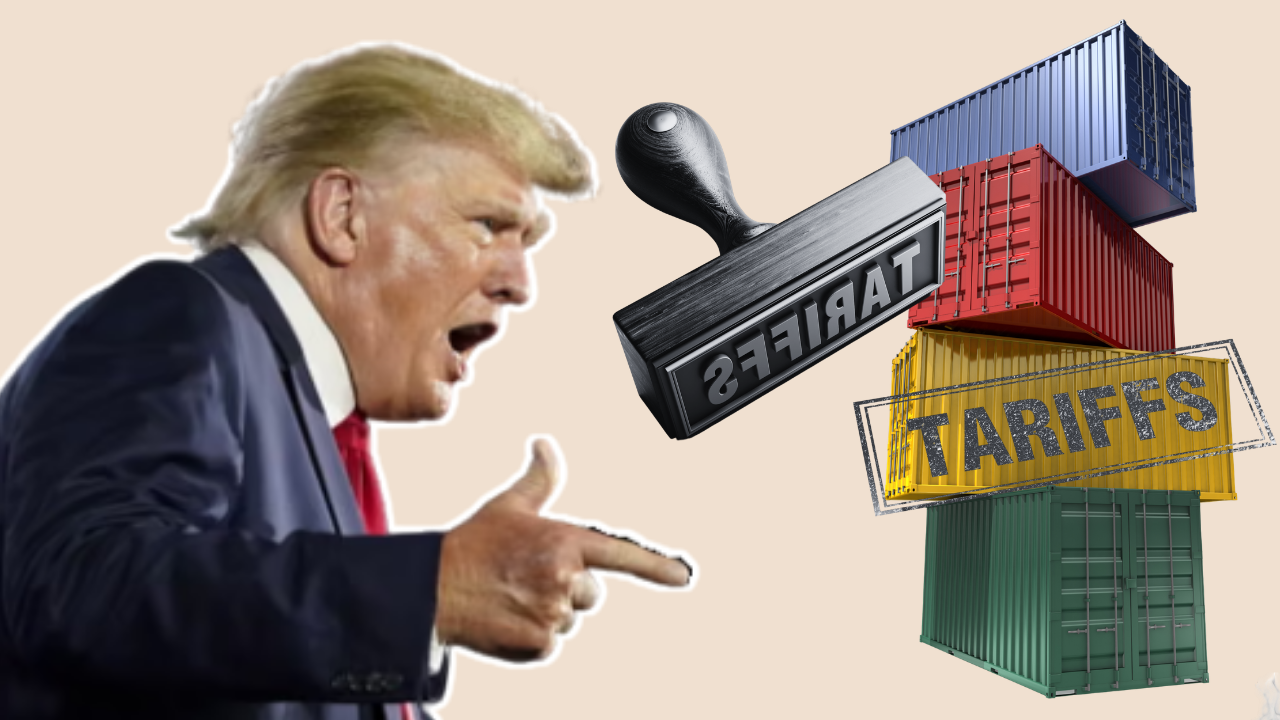
The United States imposed tariffs of 10% to 12.5% on imports from 60 trading partners, including Pakistan, on Friday as part of a broader trade action targeting what the Trump administration described as inadequate enforcement of bans on goods produced through forced labour.
The new duties, ranging from 10% to 12.5%, took effect at 12:01 am EDT on Friday, immediately after President Donald Trump’s temporary 10% global tariff expired following a 150-day period. Goods already in transit will remain exempt until 12:01 am EDT on July 28.
Announced through a Federal Register notice on Thursday, the tariffs apply to 99.4% of US imports, although a range of products has been excluded.
The measure was imposed under Section 301 of the Trade Act of 1974, allowing the administration to retain a tariff floor on most imports after the US Supreme Court struck down Trump’s earlier “reciprocal” duties in February.
Those tariffs, ranging from 10% to 50%, had been introduced under national emergency powers as part of efforts to reduce the US trade deficit. Section 301 has previously survived legal challenges and is expected to expose the latest action to less litigation risk.
Pakistan was included among 18 countries assigned a 10% tariff. The group also includes Argentina, Bangladesh, Britain, Cambodia, Canada, Ecuador, El Salvador, Guatemala, Honduras, India, Indonesia, Jordan, Malaysia, Mexico, Sri Lanka and Trinidad and Tobago.
The European Union, Taiwan, Japan, South Korea and Switzerland were assigned rates that, when combined with existing most-favoured-nation tariffs, bring their total duties to either 10% or 12.5%.
Another 38 countries, including China and Vietnam, were subjected to a 12.5% rate.
Vietnam issued a decree this week detailing tighter restrictions on imports made with forced labour. China has faced US accusations concerning the detention of Uyghur minorities in labour camps, allegations rejected by Beijing.
US Trade Representative Jamieson Greer said Washington had enforced a forced-labour import ban for nearly a century and expected trading partners to adopt similarly strict measures.
Greer has previously said countries that negotiated trade agreements with Washington containing tariff ceilings would not see the forced-labour duties push rates above those agreed limits.
Trump administration officials have informed Chinese counterparts that they intend to restore second-term tariffs on Chinese goods to the 20% level agreed in a trade truce with Chinese President Xi Jinping in November 2025, without exceeding that threshold.
Before Friday’s action, the tariff rate on Chinese goods had fallen to 10%, excluding the 25% duties imposed during Trump’s first term on industrial products.
The move drew objections from several US trading partners.
European Union foreign policy chief Kaja Kallas said the tariffs came as a shock and questioned the administration’s justification, arguing that the bloc maintained strong labour protections.
Australia and Brazil described the measures as unjustified and said they would seek their removal, while Norway said there was no basis for the duties.
Canada, which was also subjected on Monday to new tariffs covering $20 billion in goods, said it would continue discussions with Washington over the unilateral measures and other outstanding trade issues.
Kelly Ann Shaw, a former White House trade adviser during Trump’s first term and a partner at Akin Gump Strauss Hauer & Feld, said the action was largely consistent with earlier indications, although the administration had added about 471 products to the exclusion list.
A senior administration official rejected suggestions that the forced-labour tariffs were simply replacing the expired global levy, despite their timing, similar rates and broad coverage.
The official said stricter US enforcement against forced-labour imports placed American companies at a disadvantage when trading partners applied weaker standards.
Ryan Majerus, a trade lawyer and former Commerce Department official, said the duties could prove more difficult to challenge because Section 301 had survived previous cases and gave the administration considerable flexibility to adjust tariffs.
Exemptions include oil and gas, fertiliser, certain food products, aircraft and aircraft parts, and critical minerals.
Goods already subject to Section 232 national security tariffs, including automobiles, steel, aluminium and copper, are also excluded.
Products complying with the United States-Mexico-Canada Agreement will remain exempt because of integrated North American supply chains and their high levels of US content.
Comments
No comments yet. Be the first to join the discussion!