
August 25, 2025
Karachi isn’t resilient. It’s suffocating under the PPP
The country’s financial capital is a uniquely dysfunctional city. Its real estate tells the story of how its citizens cope with the incompetence of their ruling class
August 25, 2025
The only airport in Larkana, the district home to the Bhutto family, is at Mohenjo-daro, about 30 minutes south of Larkana city, and about an hour south of Garhi Khuda Buksh, where both former prime ministers Bhutto – Zulfikar and Benazir – are buried. Standing in the ruins of Mohenjo-daro, it is impossible to escape a sense of history, and marvel at the length of the history of human civilization in our part of the world.
It is also impossible – as a resident of Karachi – to not look at the drains that run alongside literally every single street in that ancient city and not feel a spurt of homicidal rage at the Bhuttos and the party they lead, the Pakistan Peoples Party, which rules over Sindh and its capital city of Karachi. Around the time the Great Pyramid of Giza was being constructed, and 2,000 years before the founding of the Roman Republic, there existed a city in Sindh that had drains that have lasted thousands of years after the city itself perished, all while the current capital of Sindh drowns after the faintest of rain spells.
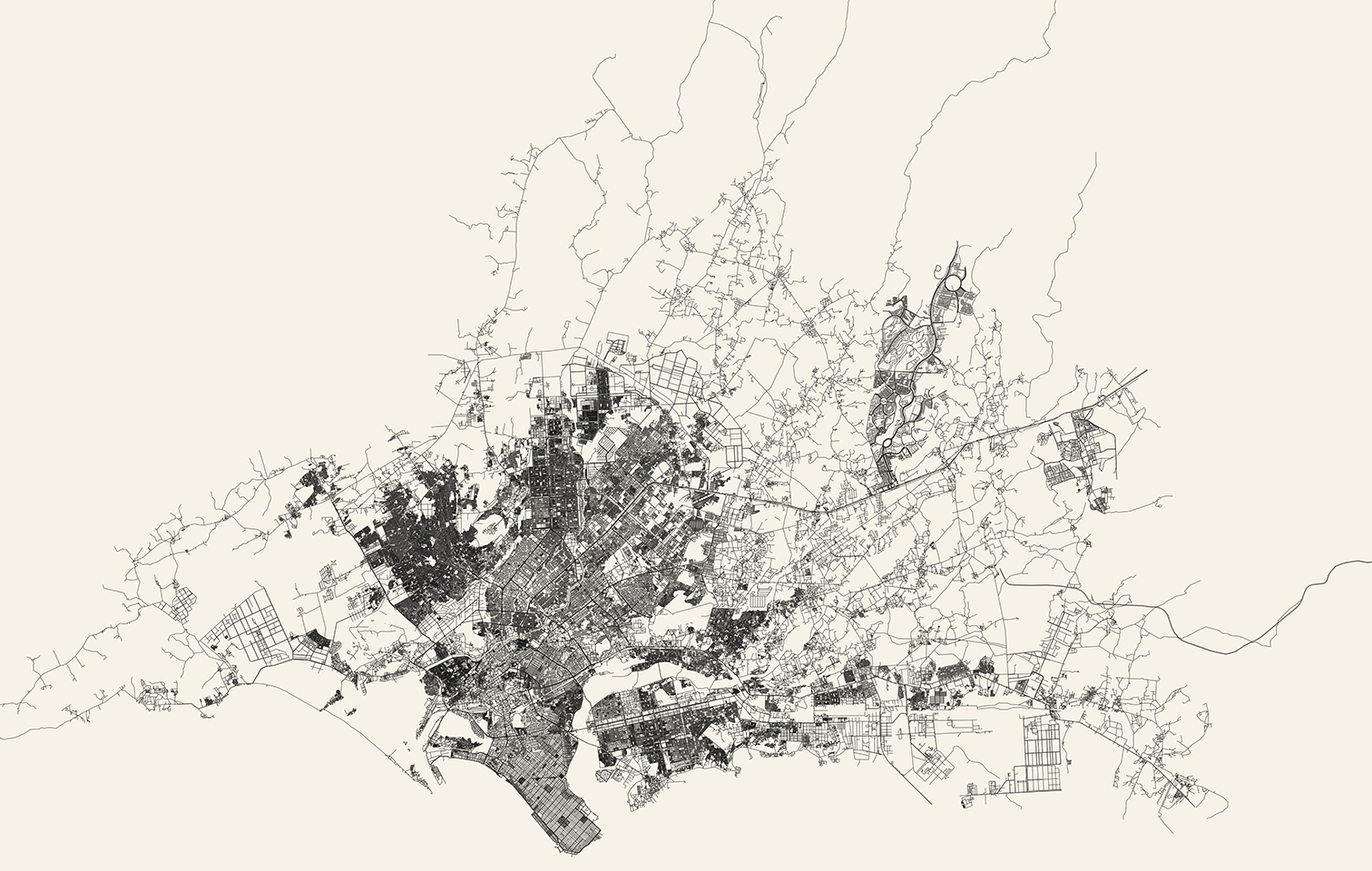
Karachi, the financial capital of Pakistan, still its largest city, and its single largest concentration of middle class economic opportunity, is one of the most dysfunctional large cities in the world. There are many historical political reasons why Punjab’s politicians dote over Lahore, Khyber-Pakhtunkhwa’s politicians have finally gotten around to building up Peshawar, but Karachi languishes in neglect so willful as to border on malicious.
We are a financial publication, so we will largely stay out of the political commentary of it all. And we will also not engage in the canned blather of “the resilience of Karachi” nonsense. No, this is the unhappy tale of the sad fact that Karachi is being strangled and struggling to breathe.
That struggle is reflected in the economic map of the city, where the rich, middle-class and poor all pay in one form or another to deal with Karachi’s dysfunction. The rich pay in money, the middle-class pay in time, and the poor pay with their health.
Five years ago, prompted by the same monsoon-driven madness witnessed on Karachi’s roads this year, we wrote about how the country needs its largest city to help lead its economic growth story, and talked about the role the government could play in helping make that a reality. We have since abandoned such naïve hopes about anything positive ever coming from the government.
Subscribe to Continue Reading
The rest of this article is available exclusively to subscribers.
Managing Editor, Profit Magazine. He can be reached at [email protected]
View all articles →4 Comments
No comments yet. Be the first to join the discussion!


